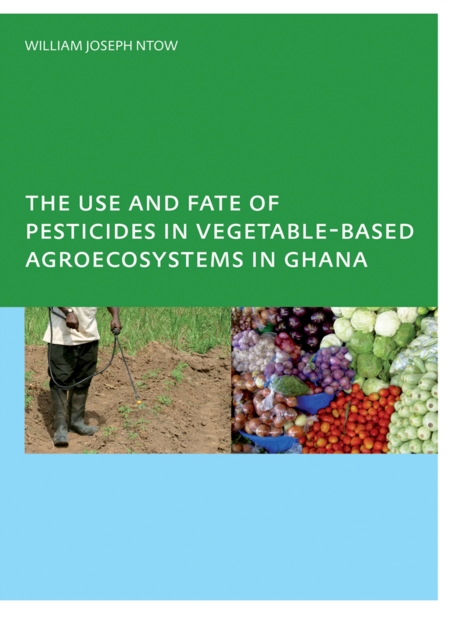
The Use and Fate of Pesticides in Vegetable-based Agro-ecosystems in Ghana reviews current knowledge on pesticides use in vegetable farming in Ghana and establishes the fate of pesticides in situ in tropical vegetable-based agro-ecosystems as well as their environmental and public health impacts on selected population groups.
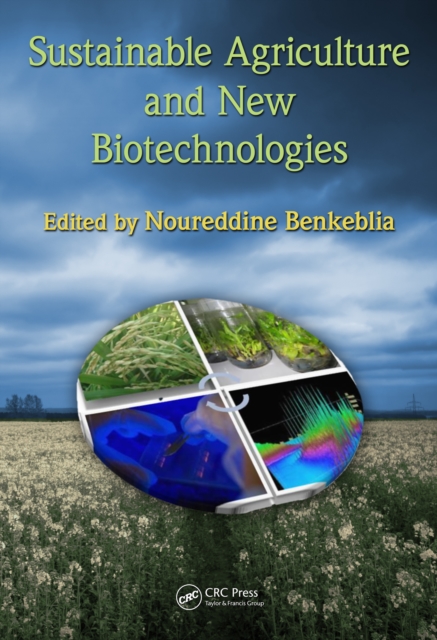
Taking a broad and innovative informational approach, Sustainable Agriculture and New Biotechnologies is the first book to apply omic technologies to address issues related to understanding and improving agricultural sustainability in the food production process.
The complex issues involved in the management of saline and sodic turfgrass soils are enough to perplex even the most experienced site manager- there is no "e;silver bullet"e; amendment, treatment, or grass for salinity management.
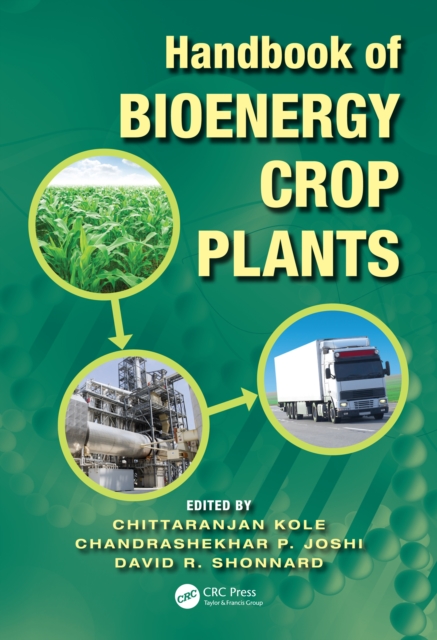
As the world's population is projected to reach 10 billion or more by 2100, devastating fossil fuel shortages loom in the future unless more renewable alternatives to energy are developed.
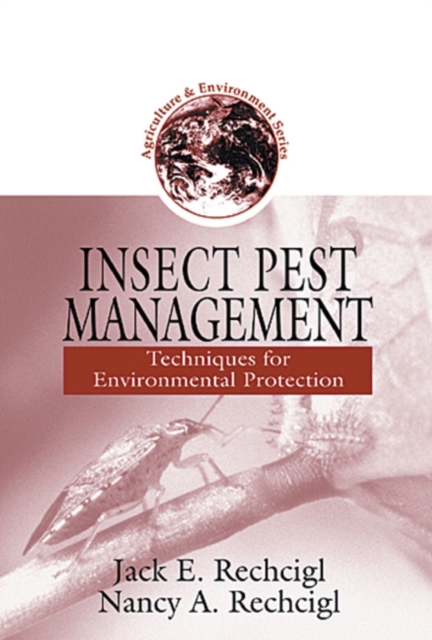
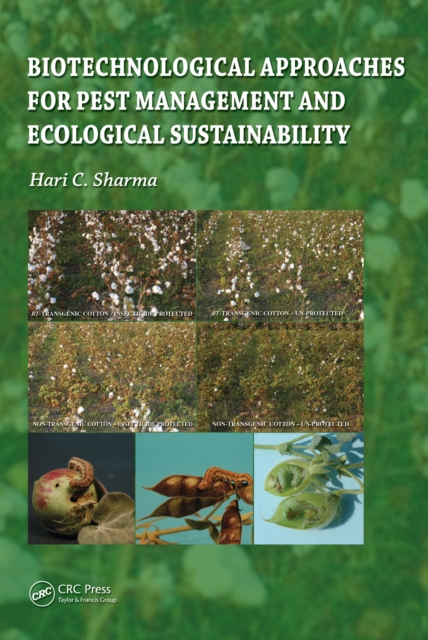
Due to increasing problems occurring from massive applications of pesticides, such as insect resistance to pesticides, the use of biotechnological tools to minimize losses from insect pests has become inevitable.
Considerable interest has developed in recent years in crucifers and particularly in their wild relatives, as they contain genetic material that may be utilized for further evolution of superior crop varieties through introgression and distant hybridization.
Increases in populations have created an increasing demand for food crops while increases in demand for biofuels have created an increase in demand for fuel crops.
With the increased use of alternative irrigation water sources on turfgrass and landscape sites, their management is becoming more complex and whole ecosystems-oriented.
This handbook provides a systematic description of the principles, procedures, and technology of the modern analytical techniques used in the detection, extraction, clean up, and determination of pesticide residues present in the environment.
Put Theory into PracticeScarcity of natural resources, higher costs, higher demand, and concerns about environmental pollution- under these circumstances, improving food supply worldwide with adequate quantity and quality is fundamental.
Medicinal Plants, Volume 6 of the Genetic Resources, Chromosome Engineering, and Crop Improvement series summarizes landmark research and describes medicinal plants as nature's pharmacy.
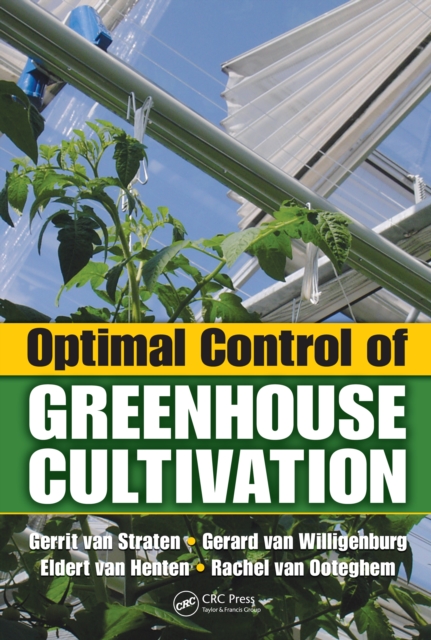
Greenhouse control system manufacturers produce equipment and software with hundreds of settings and, while they hold training courses on how to adjust these settings, there is as yet no integrated instruction on when or why.
An excellent reference book for plant breeders and entomologists, Global Plant Genetic Resources for Insect-Resistant Crops combines germplasm preservation with use in insect-resistant crop development and basic research.
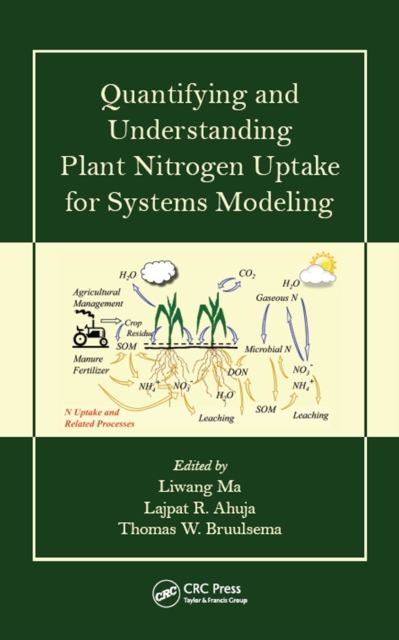
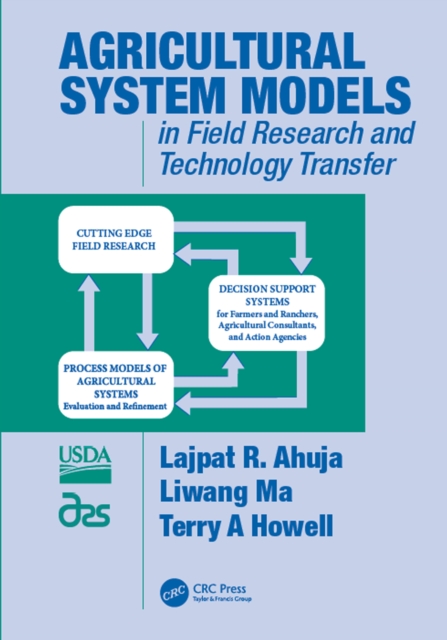
Discusses New Advancements to Improve Existing Simulations of Plant NitrogenWritten by research pioneers and leading scientists in the area of agricultural systems, Quantifying and Understanding Plant Nitrogen Uptake for Systems Modeling comprehensively covers plant N uptake in agricultural system models, especially for building soil-plant system m
Faced with the growing problems of climate change, ecosystem degradation, declining agricultural productivity, and uncertain food security, modern agricultural scientists look for potential relief in an ancient practice.
Written by experts from across the globe, Herbicide Resistance and World Grains evaluates the weed and herbicide management systems in major world grain crops such as soybean, maize, rice, and canola.
Understanding biotic stress and plant yield allows for the practical development of economic decision making, an instrumental part of Integrated Pest Management.
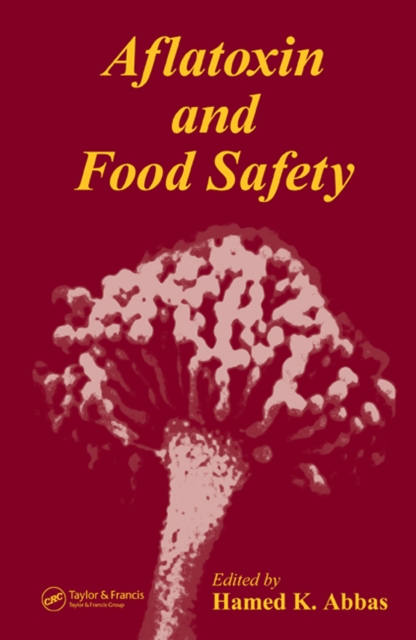
Aflatoxins are responsible for damaging up to 25% of the world's food crops, resulting in large economic losses in developed countries and human and animal disease in under-developed ones.
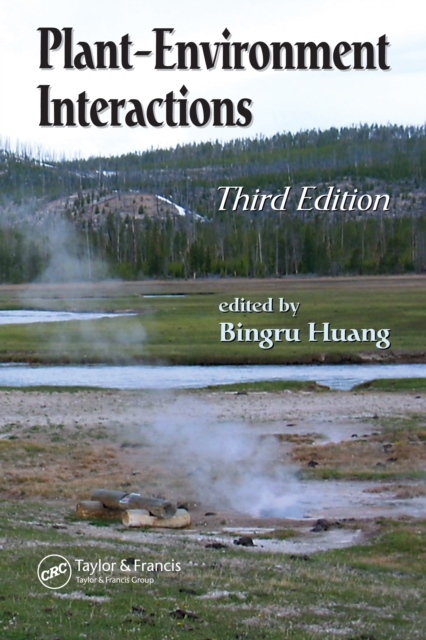
With contributions from experts in various specialties, Plant-Environment Interactions discusses recent advances in cellular and molecular regulation of stress tolerance.
With the help of this guide, you can use obtained test results to evaluate the fertility status of soils and the nutrient element status of plants for crop production purposes.
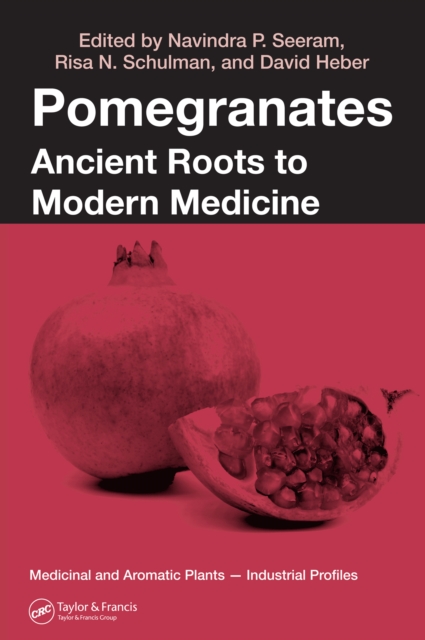
While one may not find ancient studies that substantiate the pomegranate's curative and preventive qualities, the exalted status of this fruit goes back as far as the history of agriculture itself.
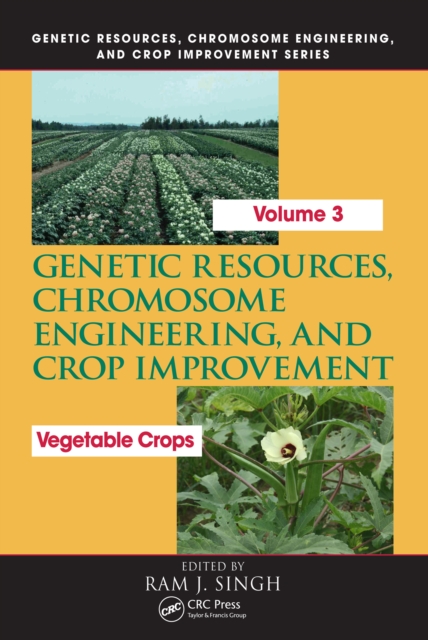
Summarizing landmark research, Volume 3 of this essential series furnishes information on the availability of germplasm resources that breeders can exploit for producing high-yielding vegetable crop varieties.
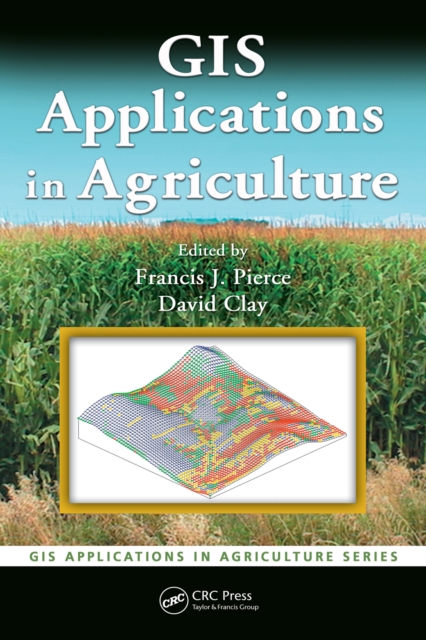
As the first volume in a unique series concentrating on in-depth discussions of GIS topics, GIS Applications in Agriculture examines ways that this powerful technology can help farmers/firms to produce a greater abundance of crops with more efficiency and at lower costs.
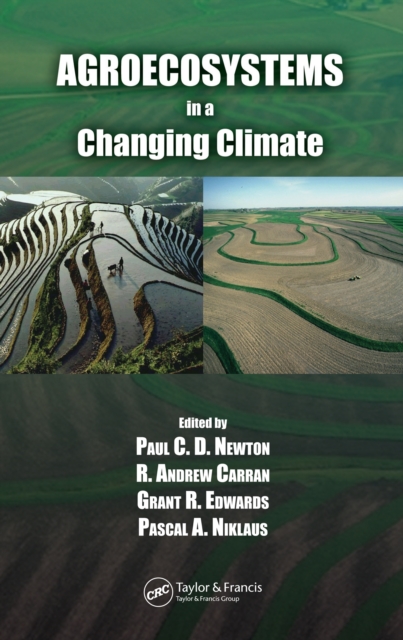
Agroecosystems in a Changing Climate considers the consequences of changes in the atmosphere and climate on the integrity, stability, and productivity of agroecosystems.
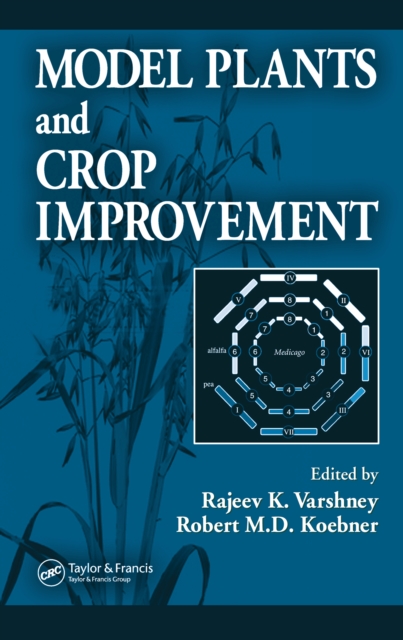
Bringing together experts from across the globe, Model Plants and Crop Improvement provides a critical assessment of the potential of model plant species for crop improvement.
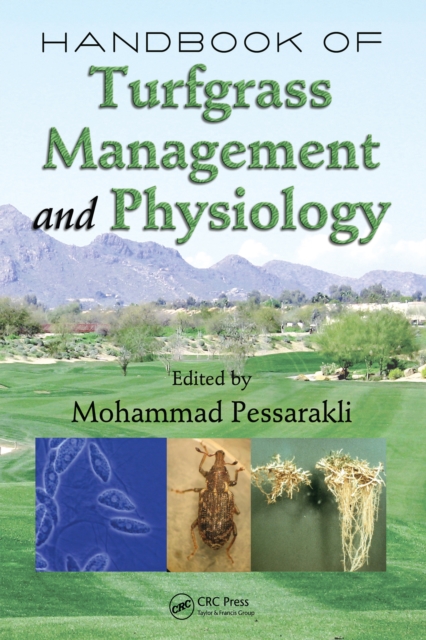
A multibillion dollar industry that has tripled in the last ten years, turfgrass management plays an important role in landscaping, golf courses, and other sports surfaces.
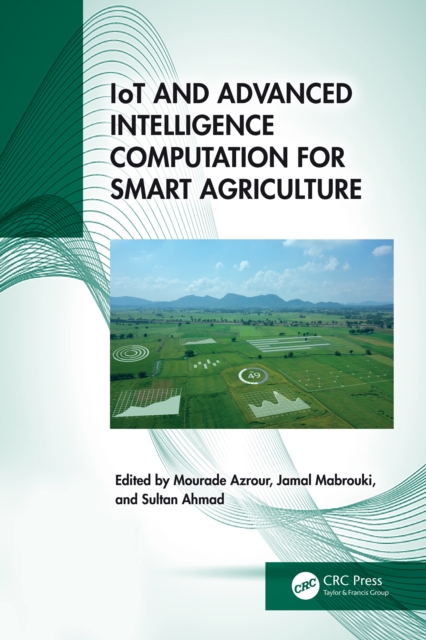
Smart agriculture is an approach to maintaining nature without compromising the basic needs of future generations while at the same time improving the efficiency of farming.
Over the last five centuries, plantation crops have represented the best and worst of industrialized agriculture - "e;best"e; through their agronomic productivity and global commercial success, and "e;worst"e; as examples of exploitative colonialism, conflict and ill-treatment of workers.
Over the last five centuries, plantation crops have represented the best and worst of industrialized agriculture - "e;best"e; through their agronomic productivity and global commercial success, and "e;worst"e; as examples of exploitative colonialism, conflict and ill-treatment of workers.