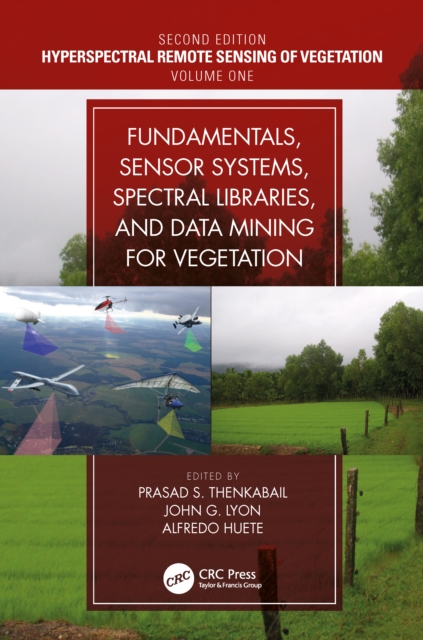
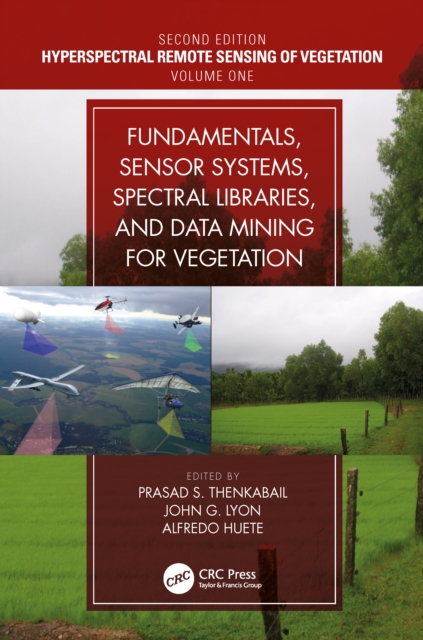
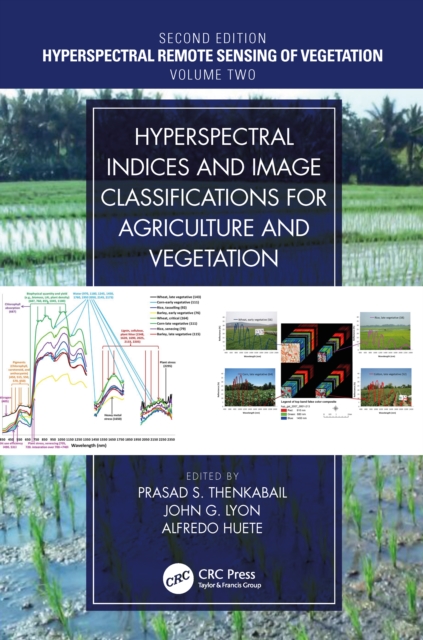
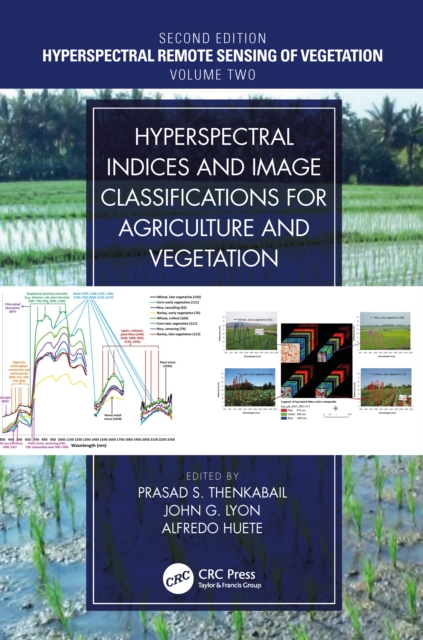
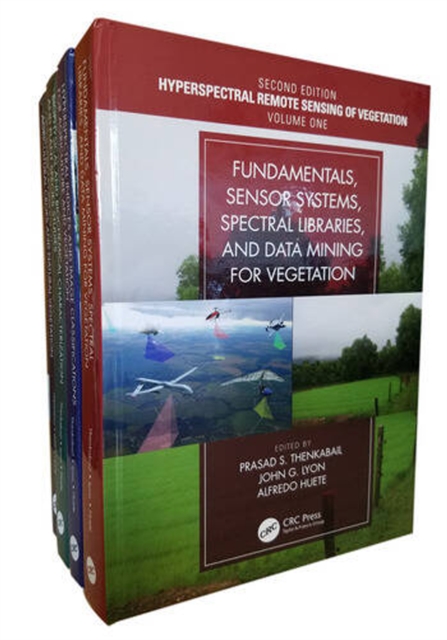
Written by leading global experts, including pioneers in the field, the four-volume set on Hyperspectral Remote Sensing of Vegetation, Second Edition, reviews existing state-of-the-art knowledge, highlights advances made in different areas, and provides guidance for the appropriate use of hyperspectral data in the study and management of agricultural crops and natural vegetation.
Written by leading global experts, including pioneers in the field, the four-volume set on Hyperspectral Remote Sensing of Vegetation, Second Edition, reviews existing state-of-the-art knowledge, highlights advances made in different areas, and provides guidance for the appropriate use of hyperspectral data in the study and management of agricultural crops and natural vegetation.
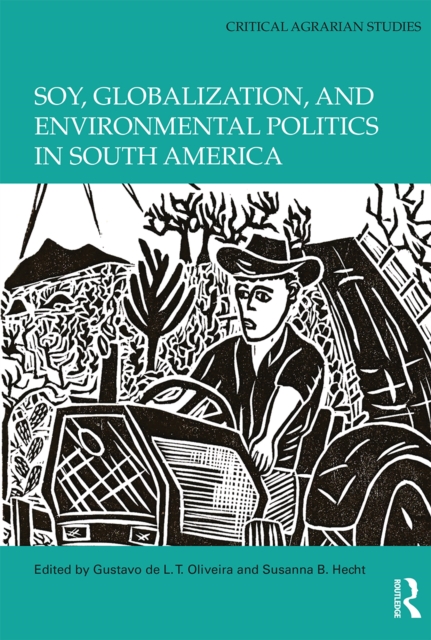
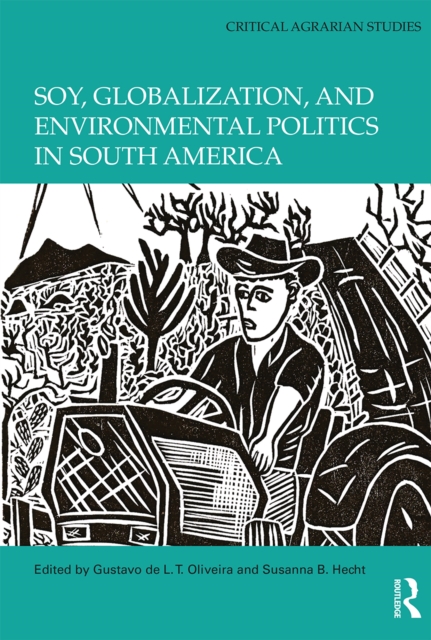
Financialization is the increased influence of financial actors and logics on social and economic life, and is one of the key drivers transforming food systems and rural economies around the world.
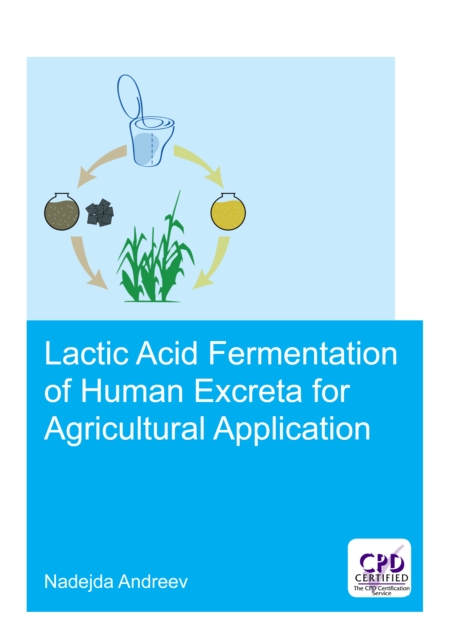
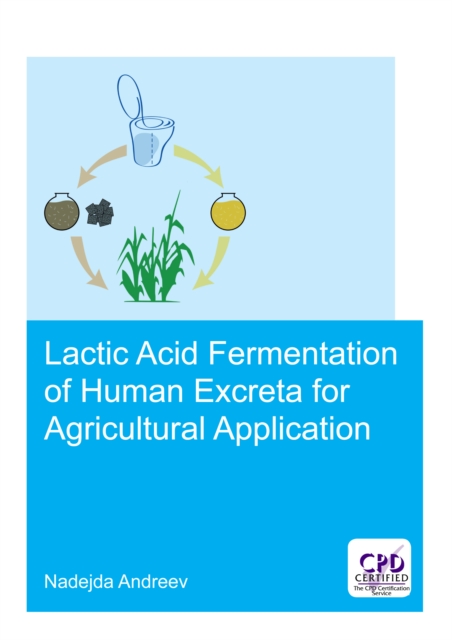
Human excreta is a valuable fertilizer for improving soil quality and crop productivity, with a potential to replace or complement the mineral fertilizers.
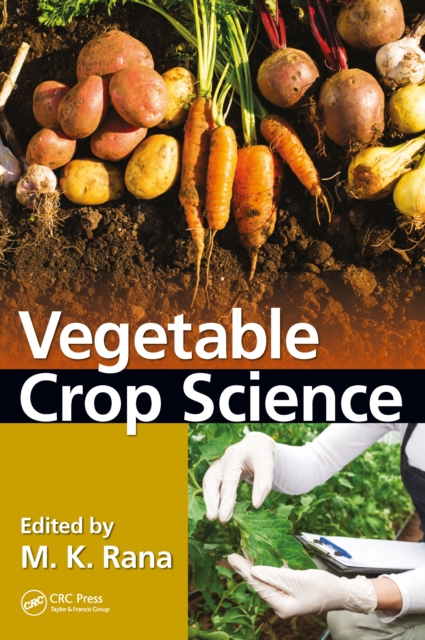
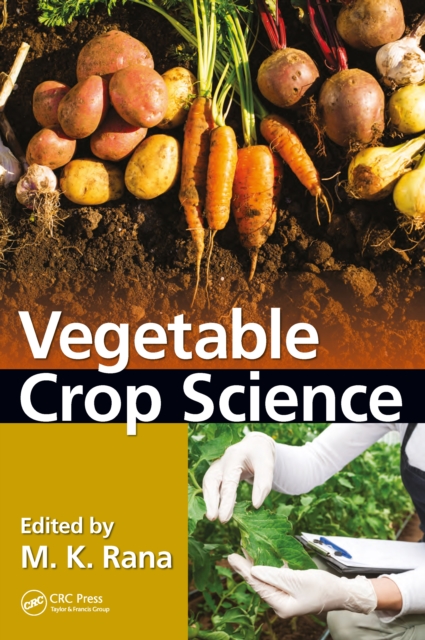
This book has been prepared to provide every production aspect of important vegetables along with information regarding origin and distribution, composition and uses, botany, varieties, climatic and soil requirement, cultivation practices, harvesting, post-harvest management, insect-pests and diseases along with their control measures.
Written by leading global experts, including pioneers in the field, the four-volume set on Hyperspectral Remote Sensing of Vegetation, Second Edition, reviews existing state-of- the-art knowledge, highlights advances made in different areas, and provides guidance for the appropriate use of hyperspectral data in the study and management of agricultural crops and natural vegetation.
Written by leading global experts, including pioneers in the field, the four-volume set on Hyperspectral Remote Sensing of Vegetation, Second Edition, reviews existing state-of- the-art knowledge, highlights advances made in different areas, and provides guidance for the appropriate use of hyperspectral data in the study and management of agricultural crops and natural vegetation.
Written by leading global experts, including pioneers in the field, the four-volume set on Hyperspectral Remote Sensing of Vegetation, Second Edition, reviews existing state-of-the-art knowledge, highlights advances made in different areas, and provides guidance for the appropriate use of hyperspectral data in the study and management of agricultural crops and natural vegetation.
Financialization is the increased influence of financial actors and logics on social and economic life, and is one of the key drivers transforming food systems and rural economies around the world.
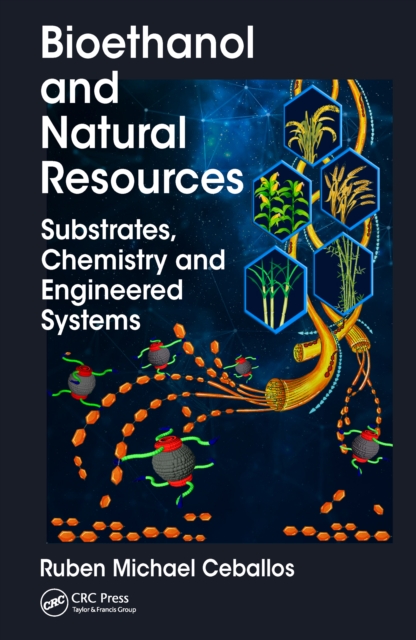
Bioethanol and Natural Resources: Substrates, Chemistry and Engineered Systems provides a comprehensive review of feedstocks, physiochemical and biological pretreatments, molecular substrates, cellulolytic and ligninolytic enzymes, and advanced technologies for producing bioethanol.
Human excreta is a valuable fertilizer for improving soil quality and crop productivity, with a potential to replace or complement the mineral fertilizers.
This book has been prepared to provide every production aspect of important vegetables along with information regarding origin and distribution, composition and uses, botany, varieties, climatic and soil requirement, cultivation practices, harvesting, post-harvest management, insect-pests and diseases along with their control measures.
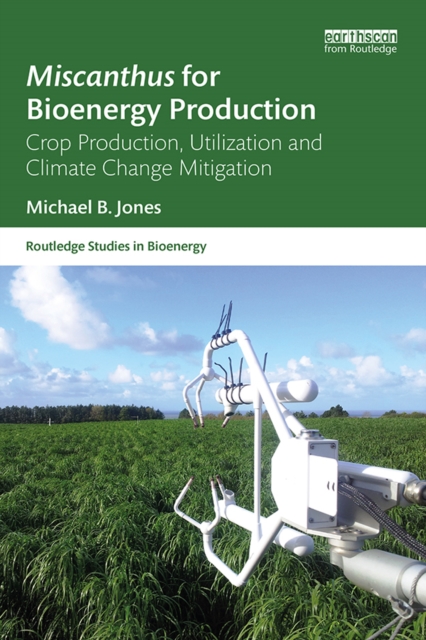
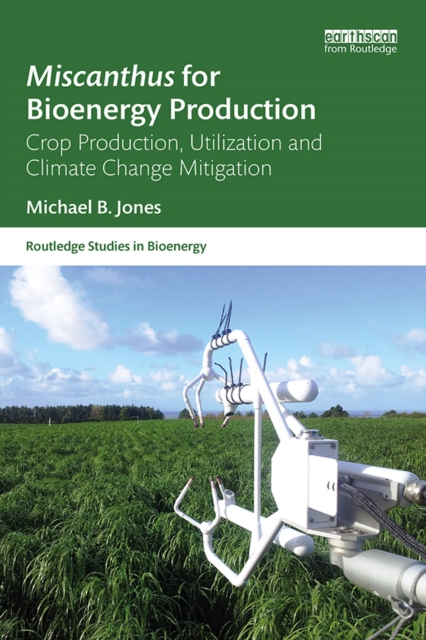
Sugarcane is the most important plant source for sugar and alcohol production and is cultivated in more than 80 countries in tropical and subtropical areas.
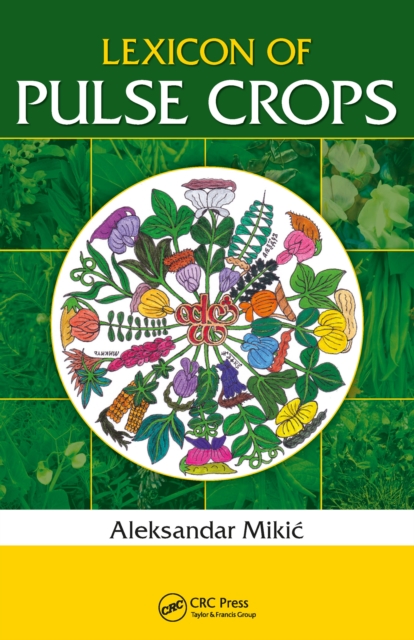
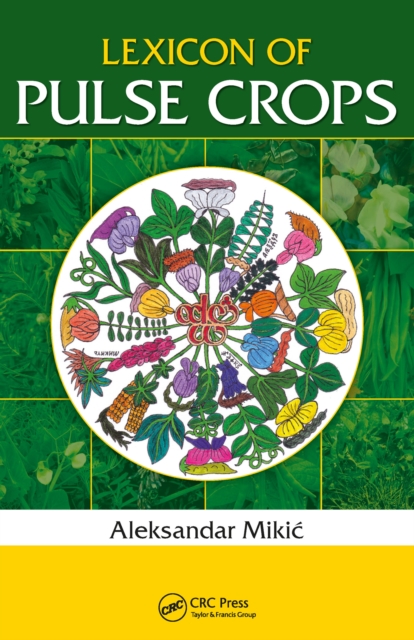
Lexicon of Pulse Crops integrates botanical and linguistic data to analyze and interpret the grain legume significance from the earliest archaeological and written records until the present day.
Lexicon of Pulse Crops integrates botanical and linguistic data to analyze and interpret the grain legume significance from the earliest archaeological and written records until the present day.
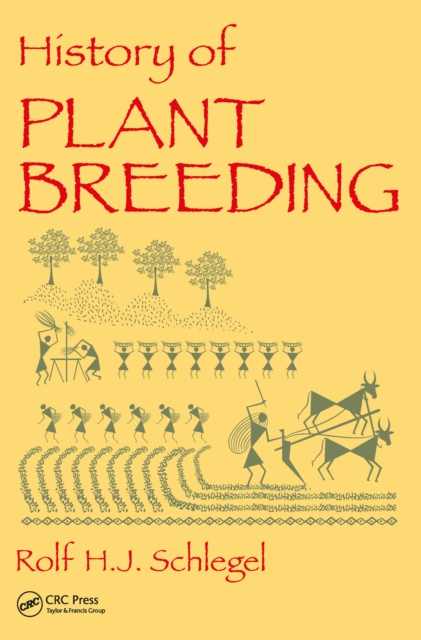
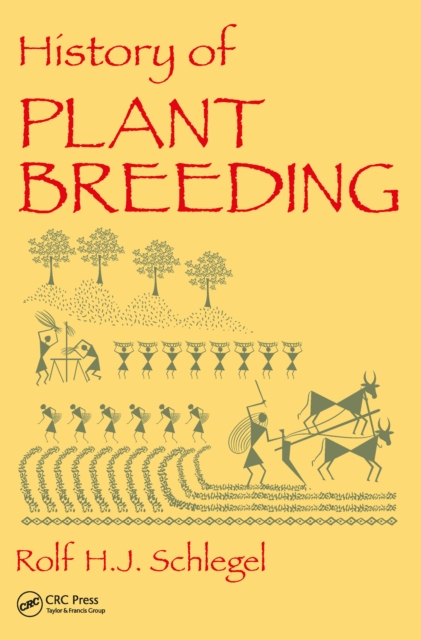
While there has been great progress in the development of plant breeding over the last decade, the selection of suitable plants for human consumption began over 13,000 years ago.
While there has been great progress in the development of plant breeding over the last decade, the selection of suitable plants for human consumption began over 13,000 years ago.
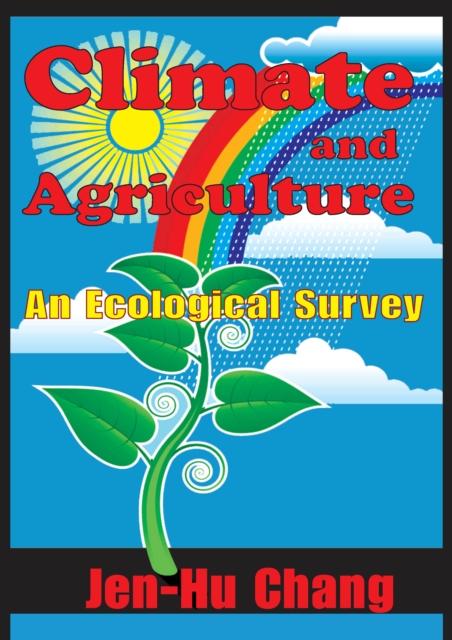
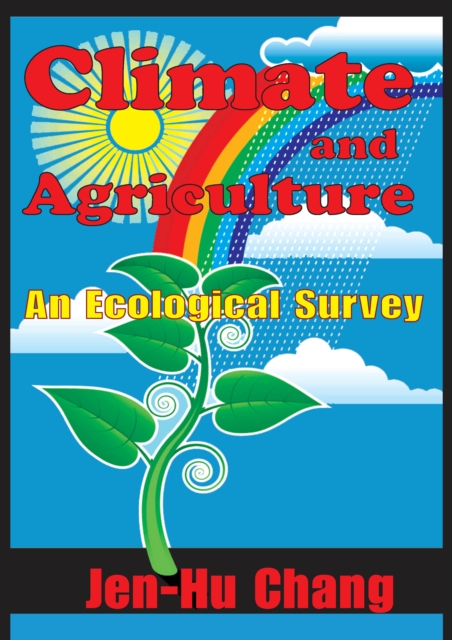
This summary of what is known about microclimatic environments and the effects of climate on plant growth presents a comprehensive statement on the complex relationship between climate and agriculture.
This summary of what is known about microclimatic environments and the effects of climate on plant growth presents a comprehensive statement on the complex relationship between climate and agriculture.
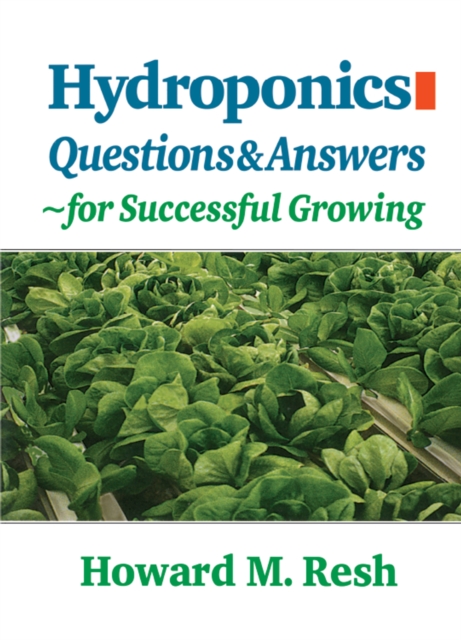
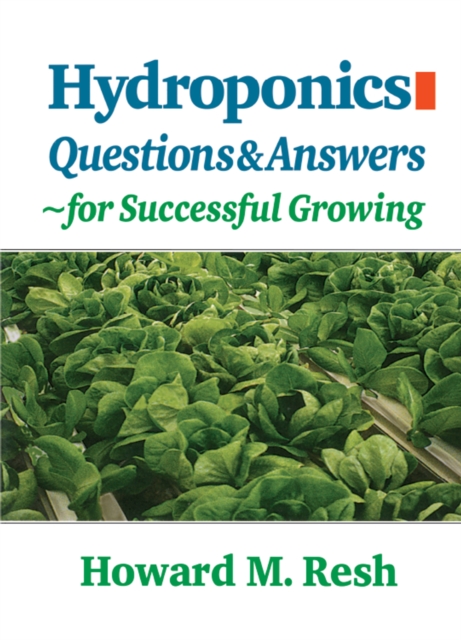
Drawing on the knowledge of an international leader in hydroponic food production, this book reviews many questions associated with hydroponic culture and offers useful suggestions.
Drawing on the knowledge of an international leader in hydroponic food production, this book reviews many questions associated with hydroponic culture and offers useful suggestions.
Provides the latest information on nearly all of the phytoalexins of crop plants studied worldwide over the past 50 years-describing experimental approaches to the research of specific plants and offering detailed explanations on methods of isolation and characterization.
Provides the latest information on nearly all of the phytoalexins of crop plants studied worldwide over the past 50 years-describing experimental approaches to the research of specific plants and offering detailed explanations on methods of isolation and characterization.