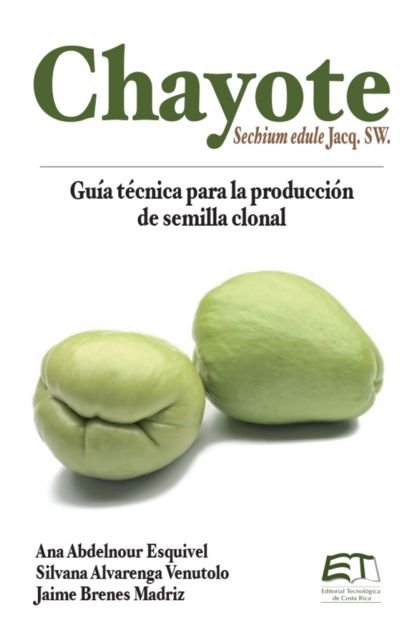
La necesidad de contar con un programa de abastecimiento de semilla certificada de chayote que asegure semillas de calidad y frutos uniformes, y que además cumplan con las características que exige el mercado internacional motivó a los productores y exportadores de chayote de la zona de Ujarrás, Cartago, Costa Rica, a solicitar al Centro de Investigación en Biotecnología (CIB) del Instituto Tecnológico de Costa Rica y a la Oficina Nacional de Semillas trabajar en conjunto para lograr el objetivo propuesto, con la colaboración del MICIT/CONICIT.
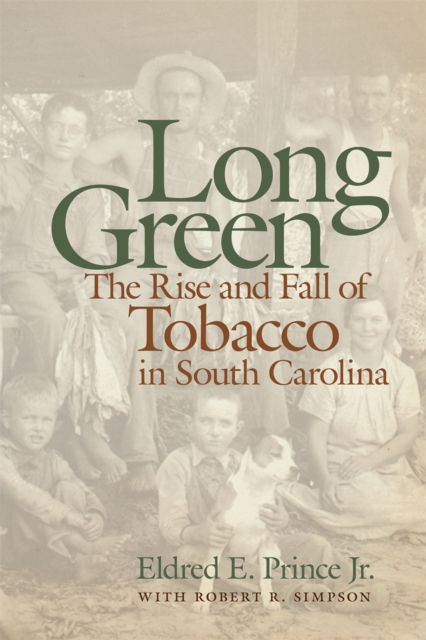
The first comprehensive history of Bright Leaf tobacco culture of any state to appear in fifty years, this book explores tobacco's influence in South Carolina from its beginnings in the colonial period to its heyday at the turn of the century, the impact of the Depression, the New Deal, and World War II, and on to present-day controversies about health risks due to smoking.
The first comprehensive history of Bright Leaf tobacco culture of any state to appear in fifty years, this book explores tobacco's influence in South Carolina from its beginnings in the colonial period to its heyday at the turn of the century, the impact of the Depression, the New Deal, and World War II, and on to present-day controversies about health risks due to smoking.
Abiotic Stress Management in Fruit Crops explores the growing challenges posed by abiotic stresses such as drought, salinity, temperature fluctuations, soil degradation, and environmental pollution on fruit crop production.
Abiotic Stress Management in Fruit Crops explores the growing challenges posed by abiotic stresses such as drought, salinity, temperature fluctuations, soil degradation, and environmental pollution on fruit crop production.
This book discusses the role of nanobiotechnology in genetic engineering, abiotic stress, nanobionics, postharvest reduction, soilless farming, climate change, precision agriculture, food packaging and processing.
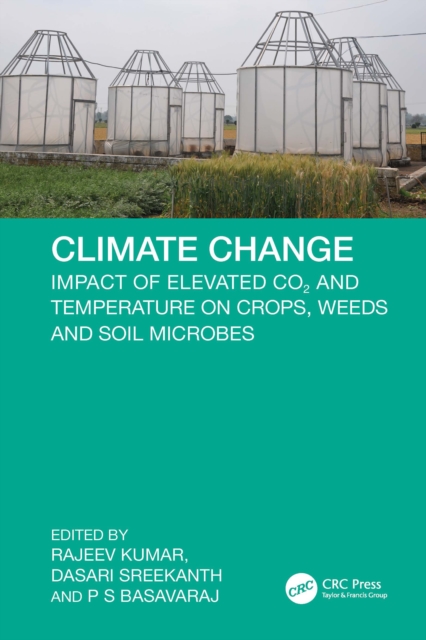
Climate Change: Impact of Elevated CO2 and Temperature on Crops, Weeds and Soil Microbes is a comprehensive and timely volume that explores the profound effects of climate change, specifically elevated CO2 and temperature on plant physiology, crop productivity, weed dynamics, and soil microbial interactions.
This contributed volume covers recent advancements in the development of climate-resilient agriculturally important crops by focusing on climate change, crop cultivation, crop breeding, and the application of novel biotechnological approaches in line with attaining second Sustainable Development Goal of zero hunger.
This edited volume compiles recent advancements in techniques and technologies for sustainable crop production, focusing on innovative approaches to mitigate the adverse effects of environmental stress on crop productivity.
This book on minor millets provides a detailed account of their crop biology, agronomy, genetics, breeding, genomic resources, production constraints and value addition.
This book on minor millets provides a detailed account of their crop biology, agronomy, genetics, breeding, genomic resources, production constraints and value addition.
This edited book provides a detailed and comprehensive overview of the stress adaptation and utilization of the halophyte Sesuvium portulacastrum in bio-saline agriculture.
This edited book provides a detailed and comprehensive overview of the stress adaptation and utilization of the halophyte Sesuvium portulacastrum in bio-saline agriculture.
This book discusses the role of nanobiotechnology in genetic engineering, abiotic stress, nanobionics, postharvest reduction, soilless farming, climate change, precision agriculture, food packaging and processing.
This book provides a practical guidance and a set of principles for improving management of saline and alkali waters and thus would be useful for different stakeholders, including agricultural students, researchers, environmentalists, and policy makers.
This book provides a practical guidance and a set of principles for improving management of saline and alkali waters and thus would be useful for different stakeholders, including agricultural students, researchers, environmentalists, and policy makers.
This edited volume, titled "e;Advances in Agri-Food Systems"e;, is the second volume in a set that comprises of contributed chapters from 22 leading experts in the fields of agriculture and allied sectors.
This edited volume, titled "e;Advances in Agri-Food Systems"e;, is the second volume in a set that comprises of contributed chapters from 22 leading experts in the fields of agriculture and allied sectors.
This book offers up-to-date research on genome editing and omics technologies from renowned academics with established backgrounds from throughout the globe.
Over the years, the interventions of genomics tools have paved the way for molecular breeding to meet the challenges of food security and climate resilience.