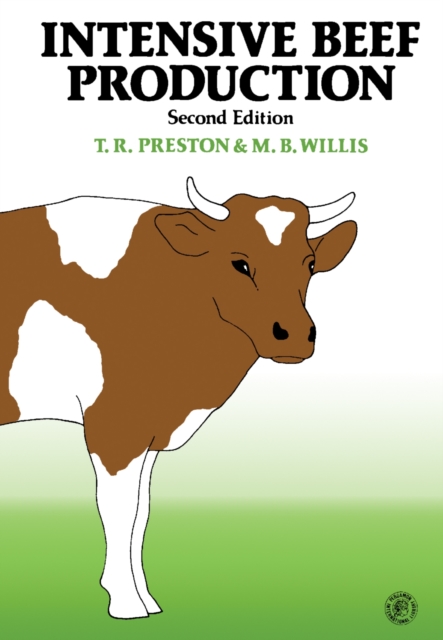
Intensive Beef Production, Second Edition focuses on the technologies, methodologies, and approaches involved in beef production, including genetics, breeding, feed utilization, fertility, and growth efficiency.
FROM THE GENERAL PREFACE: This multivolume work, The Mollusca, had its origins in the mid 1960s with the publication of two volumes entitled Physiology of Mollusca and edited by Wilbur and Yonge.
After nearly 20 years, the publication of this Second Edition of The Biology of the Laboratory Rabbit attests to its popularity within the scientific community as well as to the need to update an expanding database on the rabbit as a major species in laboratory investigation.
Textbook of Special Pathological Anatomy of Domestic Animals should not be regarded merely as a textbook for students, but rather as one which will also be of assistance to them in their later work, as well as to veterinarians generally working in the various branches of the profession, in the assessment of pathological changes.
The advent of biotechnology has the potential to develop a variety of novel or better quality products for the treatment of a large number of diseases in livestock.
This textbook provides a detailed view of the different ways in which reproduction in cattle, sheep, pigs and horses can be controlled and manipulated.
The Waltham Book of Human-Animal Interaction: Benefits and Responsibilities of Pet Ownership discusses the scientific study of the relationship between man and animals, focusing on the behavior of companion animals, and how humans and animals affect each other's behavior.
Introduction to Laboratory Animal Science and Technology discusses the principles involved in the healthy maintenance of animals in the laboratory or animal house.
Meat Science, Fourth Edition focuses on the science of meat, from the initiation of life in the meat animal to the absorption of its nutrients by the human consumer.
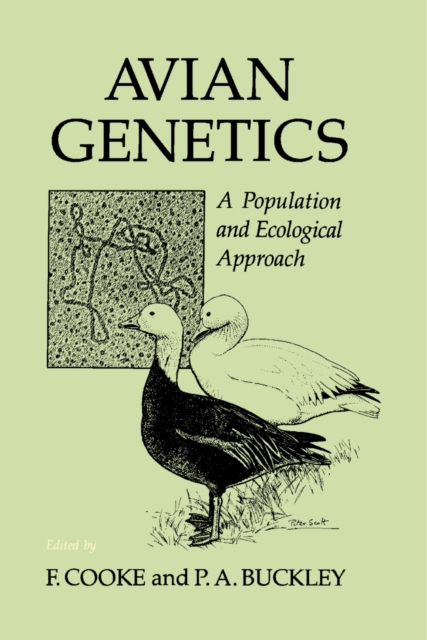
Avian Genetics: A Population and Ecological Approach is a collection of papers that deals with the study of birds in relation to the synthetic theory of evolution.
Clinical Biochemistry of Domestic Animals, Second Edition, Volume I, is a major revision of the first edition prompted by the marked expansion of knowledge in the clinical biochemistry of animals.
Keeping and Breeding Aquarium Fishes deals with the aquarium as a going concern, on the factors which enter into the maintenance of this state, and on fish breeding.
The Biology of the Laboratory Rabbit is a compendium of papers that discusses the use of the rabbit as an experimental substrate in the scientific process.
Behavior of Nonhuman Primates: Modern Research Trends, Volume 5 is a collection of papers on research trends in the study of the various aspects of primate behavior.
Pathology of Domestic Animals, Volume 1 elaborates on the bone structure and diseases, as well as the genital, circulatory, and respiratory systems, of domestic animals.
Wildlife Feeding and Nutrition fills a serious gap in the wildlife and animal nutrition literature by providing a discussion of the basic principles of nutrition and their application to the broader field of wildlife ecology.
Studies in the Agricultural and Food Sciences: Antimicrobials and Agriculture presents the benefits and disadvantages of antibiotics application in agriculture.
Metabolic Diseases in Farm Animals discusses metabolic diseases in farm livestock, focusing on four clinical syndromes-parturient hypocalcaemia, hypomagnesaemia, ketosis, and bloat.
Animal Simples: Approved for Modern Uses of Cure presents a variety of animal simples, which is regarded from a dietetic as well as from a medicinal point of view.
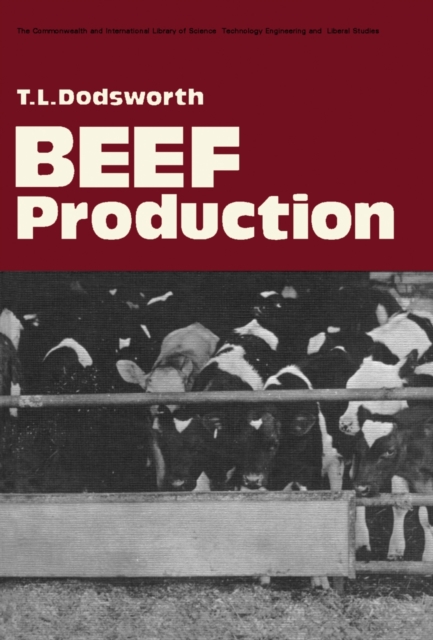
Beef Production focuses on the different aspects or sectors of beef production, elaborating different systems of production and development with reference to both technical and economic efficiency.
Recent Advances in Animal Nutrition - 1980 is a collection of papers that deals with the nutritional concerns of both ruminants and non-ruminants livestock.