Biological invasions by alien (non-native) species are widely recognized as a significant component of human-caused global environmental change and the second most important cause of biodiversity decline.
Aquaculture in the Ecosystem - An Introduction The growth of Aquaculture and its future role as a food supplier to human society has environmental, social and economic limitations, affecting marine ecosystems and socio-economic scales from local to global.
Techniques and theory for processing otoliths from tropical marine fish have developed only recently due to an historic misconception that these organisms could not be aged.
This book assesses the causes and consequences of environmental change in East Africa, asking whether local African communities are sufficiently resilient to cope with the ecological and social challenges that confront them.
This book assesses the causes and consequences of environmental change in East Africa, asking whether local African communities are sufficiently resilient to cope with the ecological and social challenges that confront them.
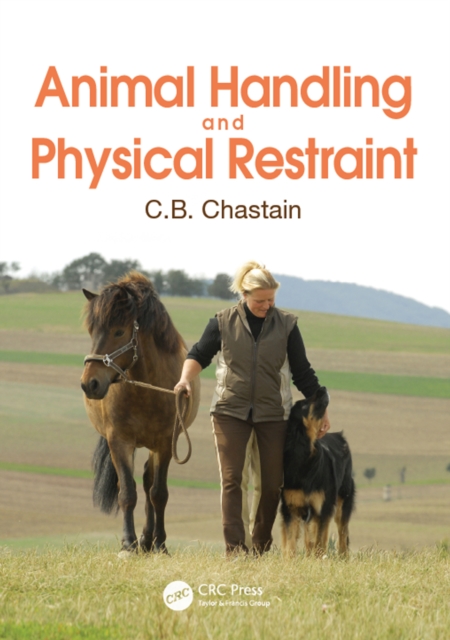
Key features: Stresses safety in handling, restraint, and containment of animalsCovers handling and restraint of all domestic and common tamed animals and provides information on normal animal behavior and welfareDiscusses how to recognize signs in animals of poor handling and containmentReviews zoonotic disease risks to animal handlers, particularly from normal-appearing animals, and how to avoid transmission of diseaseFeatures over 200 informative line drawings for clarity and simplicity of illustrationExplains how to tie useful knots and hitches and when to use them for restraintIncludes basic ethical considerations and legal liabilities of animal handling and containmentPresents steps to prevent animal escapes, barn fires, and problems with transportAuthored by an experienced veterinary educator in clinical medicine for veterinarians, veterinary students, pre-veterinary students, veterinary technicians and technologists, animal scientists, and animal ownersProper handling and restraint are essential to the welfare of captive animals, allowing them to be examined, groomed and treated in ways that contribute to their optimum quantity and quality of life.
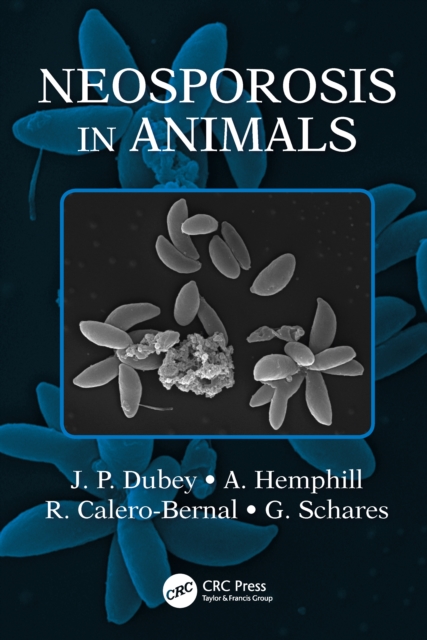
Key features:Written by the scientist who named this parasite and was the first to set up proper diagnostic techniquesServes as the first ever book to provide information on the parasite structure, biology, pathogenesis, clinical signs, epidemiology, prevention, and control of neosporosisCovers both approaches toward preventing & controlling this disease: Developing an efficacious vaccine and sound cattle management practicesContains a wealth of illustrations, including many of the author's original photographs of the parasiteProvides basic information on immunologic and molecular aspects of the diseaseAbortion is a worldwide problem in the livestock industry accounting for annual economic losses of billions of dollars, and N.
There is increasing interest in the biology of domestic animals ranging from genomics, transcriptomics, metabolomics, nutritional physiology, and systems biology.
This text part offers a review of the research and developing technologies in the expanding areas of genetics, embryology, and molecular biology from experts in the various fields.
This text part offers a review of the research and developing technologies in the expanding areas of genetics, embryology, and molecular biology from experts in the various fields.
Many genes have been cloned from chicken cells, and during the next decade numerous laboratories will be concentrating their resources in developing ways of using these tools.
Many genes have been cloned from chicken cells, and during the next decade numerous laboratories will be concentrating their resources in developing ways of using these tools.
Now in its third edition, this classic volume characterizes the science and technology of the poultry industry today, defines the breadth and scope of the overall problems in the industry, and points out areas where more research is needed.
Now in its third edition, this classic volume characterizes the science and technology of the poultry industry today, defines the breadth and scope of the overall problems in the industry, and points out areas where more research is needed.
A one-of-a-kind book for researchers interested in finfish nutritionHandbook of Nutrient Requirements of Finfish provides a summary of qualitative and quantitative nutrient requirements for almost all cultured finfish for which a significant amount of nutritional information now exists.
A one-of-a-kind book for researchers interested in finfish nutritionHandbook of Nutrient Requirements of Finfish provides a summary of qualitative and quantitative nutrient requirements for almost all cultured finfish for which a significant amount of nutritional information now exists.
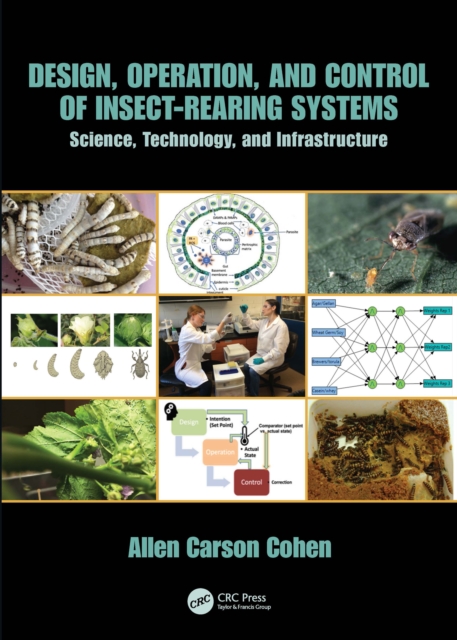
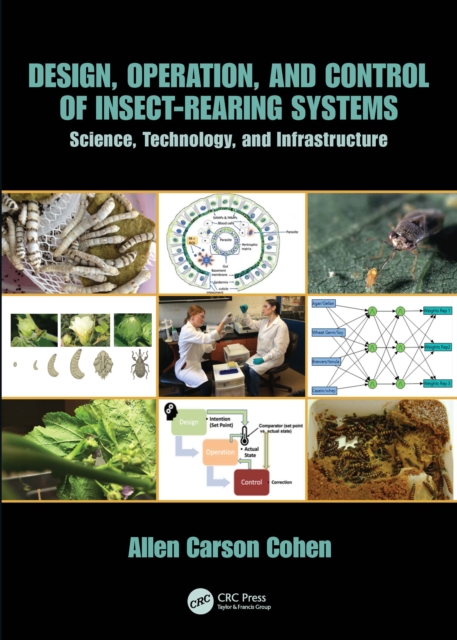
Design, Operation, and Control of Insect-Rearing Systems: Science, Technology, and Infrastructure explains the fundamental components of insect rearing:1) the rearing systems, per se2) personnel3) education of rearing personnel4) communication of procedures5) an in-depth look at silkworm rearing5) facilities where rearing is conducted, and6) funding for all these components.
Design, Operation, and Control of Insect-Rearing Systems: Science, Technology, and Infrastructure explains the fundamental components of insect rearing:1) the rearing systems, per se2) personnel3) education of rearing personnel4) communication of procedures5) an in-depth look at silkworm rearing5) facilities where rearing is conducted, and6) funding for all these components.
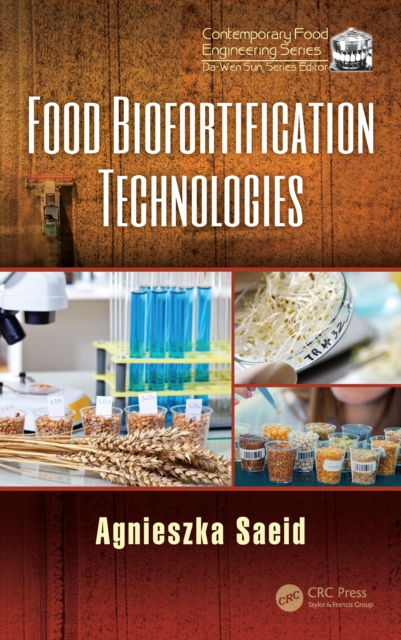
Biofortification, which can be defined as the process of increasing the content/density of essential nutrients and/or its bioavailability of food with valuable compounds, is a promising means of increasing nutrient intakes.
Agriculture plays a pivotal role in the economy and development of Pakistan providing food to consumers, raw materials to industries, and a market for industrial goods.
Agriculture plays a pivotal role in the economy and development of Pakistan providing food to consumers, raw materials to industries, and a market for industrial goods.
The present work is an attempt to bring together in some sort of organized form all such information that would link mycology (other than the involvement of fungi in food spoilage) to the food industry.
Accumulation into one source of what is known regarding the feeding value of these materials and systems which have been developed for improving their digestibility, palatability or methods of handling was the motivation for organising this book.