Since the popular second edition of The Laboratory Swine was published more than a decade ago, the number of pigs used in toxicity studies has increased as an alternative to commonly used non-rodent species, while, at the same time, large developments have been made in welfare concepts of laboratory animals.
With up-to-date information, a highly visual presentation, and a reader-friendly writing style, this trusted text offers an ideal introduction to basic science concepts involved in the production of agricultural animals.
Honey bees are social insects; they live together in large, well-organized family groups comprising three castes: queen (fertile female), workers (sterile females) and drones (males).
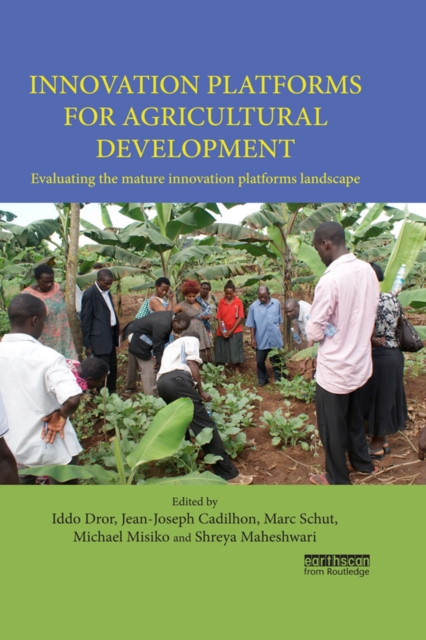
Innovation Platforms (IPs) form the core of many Agricultural Research for Development programmes, stimulating multi-stakeholder collaboration and action towards the realization of agricultural development outcomes.
Innovation Platforms (IPs) form the core of many Agricultural Research for Development programmes, stimulating multi-stakeholder collaboration and action towards the realization of agricultural development outcomes.
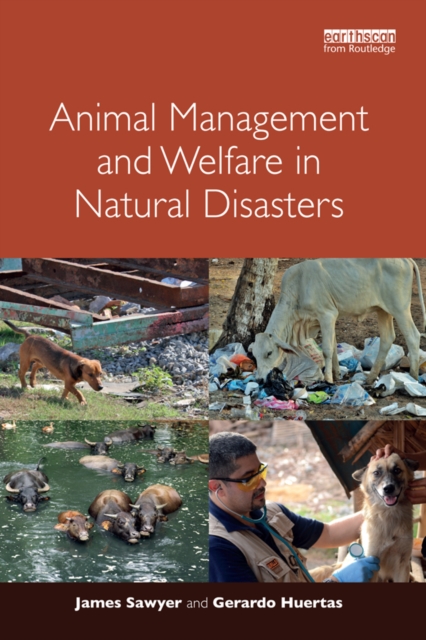
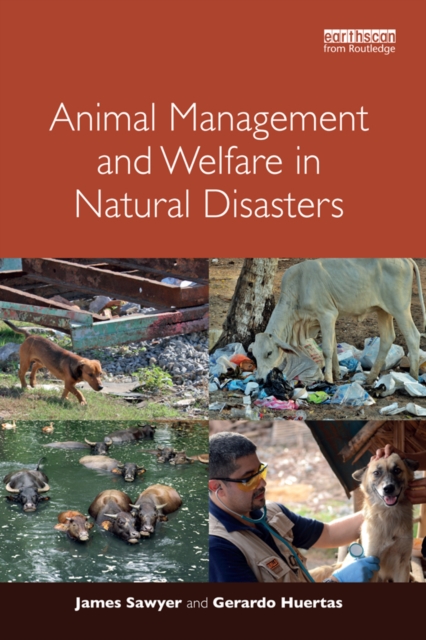
The devastating impacts of natural disasters not only directly affect humans and infrastructure, but also animals, which may be crucial to the livelihoods of many people.
The devastating impacts of natural disasters not only directly affect humans and infrastructure, but also animals, which may be crucial to the livelihoods of many people.
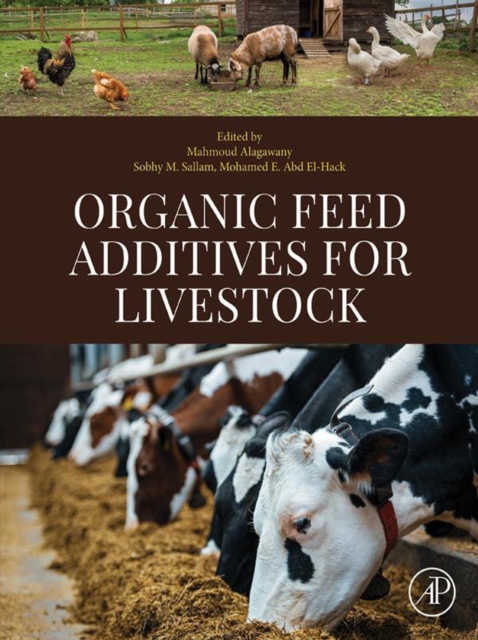
Feed additives (natural or synthetic) are formulations added to livestock rations to improve growth rates, reproductive and productive traits, feed efficiency, ruminal fermentation profiles, methane mitigation, digestion and absorption of nutrients, immunity, and overall health of the animal.
Part of a series of detailed reference manuals on American economic history, this volume traces the development and expansion of agriculture across the USA during the last half of the 19th century.
Part of a series of detailed reference manuals on American economic history, this volume traces the development and expansion of agriculture across the USA during the last half of the 19th century.
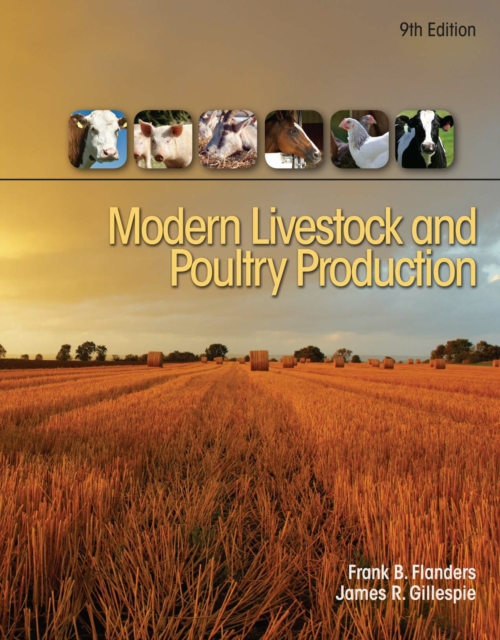
Designed to prepare you for a career in the livestock industry, the Ninth Edition of MODERN LIVESTOCK AND POULTRY PRODUCTION has been revised to include the most up-to-date, comprehensive information in the field.
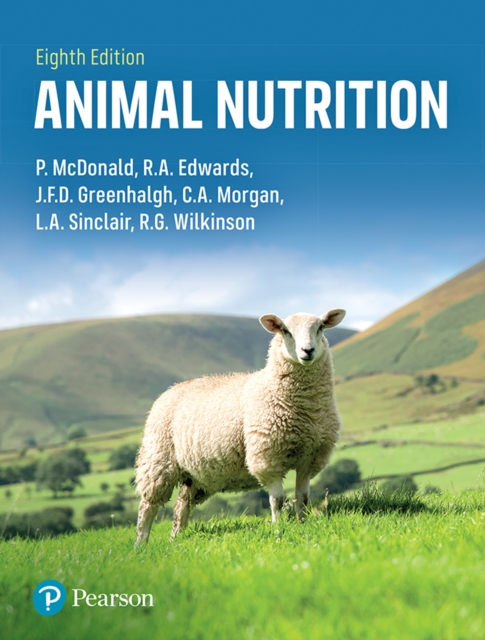
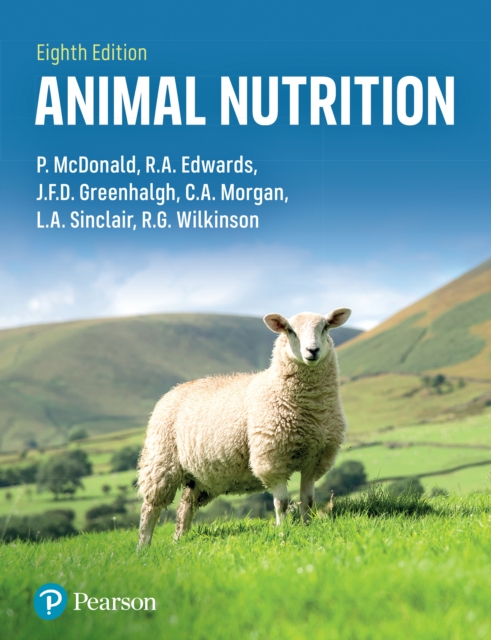
An introduction to the science and practice of animal nutrition This classic, market-leading text is a trusted resource for undergraduates studying Animal Science, Veterinary Science, Agriculture, Biology and Biochemistry.
The latest edition of Animal Nutrition has been updated thoroughly to provide a clear and comprehensive introduction to the science and practice of animal nutrition.
Fundamental to any livestock improvement programme by animal scientists, is the prediction of genetic merit in the offspring generation for desirable production traits such as increased growth rate, or superior meat, milk and wool production.
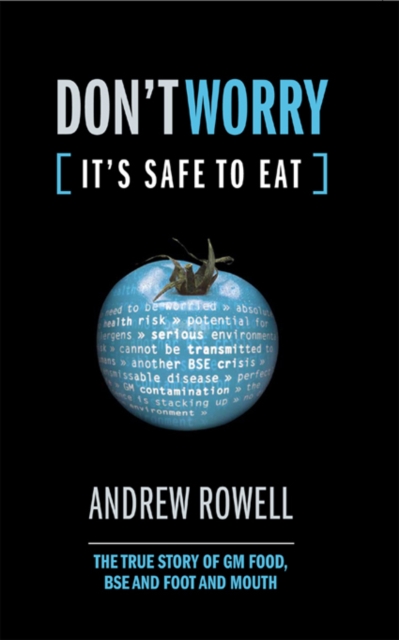
An investigation of science, politics and our food production system, this text exposes the bogus science, political interference and flawed policies that threaten our food supply.
An investigation of science, politics and our food production system, this text exposes the bogus science, political interference and flawed policies that threaten our food supply.
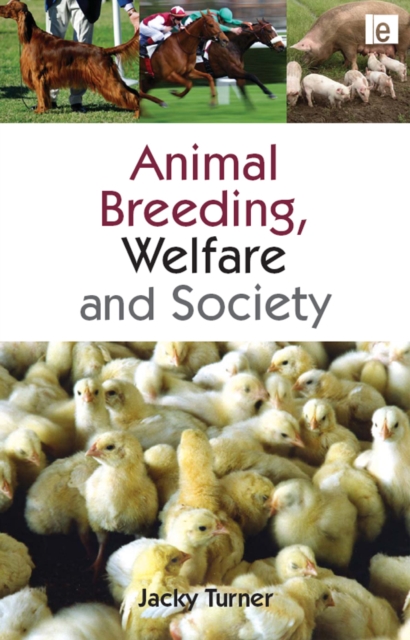
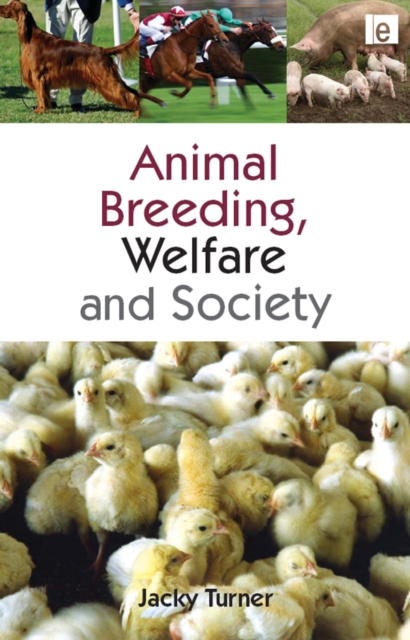
The determination of when, how, how often and with whom an animal breeds is moving rapidly away from evolutionary pressures and towards human purposes: these include the breeding of around 50 billion mammals and birds for food production annually, the breeding of pedigree dogs and cats, racing dogs and horses, specialised laboratory animal strains and the use of reproductive science to conserve endangered species or breeds and to limit unwanted populations of pests and non-native species.
The determination of when, how, how often and with whom an animal breeds is moving rapidly away from evolutionary pressures and towards human purposes: these include the breeding of around 50 billion mammals and birds for food production annually, the breeding of pedigree dogs and cats, racing dogs and horses, specialised laboratory animal strains and the use of reproductive science to conserve endangered species or breeds and to limit unwanted populations of pests and non-native species.
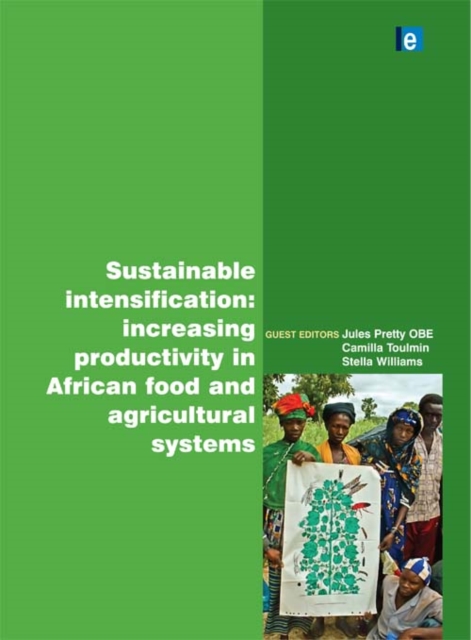
Continued population growth, rapidly changing consumption patterns and the impacts of climate change and environmental degradation are driving limited resources of food, energy, water and materials towards critical thresholds worldwide.
Continued population growth, rapidly changing consumption patterns and the impacts of climate change and environmental degradation are driving limited resources of food, energy, water and materials towards critical thresholds worldwide.
Honey bees are social insects; they live together in large, well-organized family groups comprising three castes: queen (fertile female), workers (sterile females) and drones (males).
In this objective, practical and authoritative introductory text the author reveals how the fundamental principles of the human-animal relationship drive the development of animal law.
In this objective, practical and authoritative introductory text the author reveals how the fundamental principles of the human-animal relationship drive the development of animal law.