A UN report presented to the UN Human Rights Council in 2017 recognized that, "e;although pesticide use has been correlated with a rise in food production, it has had catastrophic impacts"e; on human health and the environment.
The book entitled "e;Biopesticides in Organic Farming : Recent Advances"e;, describes critically reviewed, key aspects of organic farming and provides a unique and timely science-based resource for researchers, teachers, extension workers, students, primary producers and others around the world.
The book entitled "e;Biopesticides in Organic Farming : Recent Advances"e;, describes critically reviewed, key aspects of organic farming and provides a unique and timely science-based resource for researchers, teachers, extension workers, students, primary producers and others around the world.
This book focuses on an array of integrated pest management tools (IPM) that exploit extreme temperatures, examining the biological basis for using temperature extremes in controlling insects and presenting practical IPM techniques that rely on temperature.
Most scientists and many of the world's farmers have abandoned traditional farming practices and systems in an effort to increase production and to improve the efficiency of land and labor use.
This volume provides an overview of quarantine treatment for pests of food plants that involve heat, cold, irradiation, fumigants, modified atmospheres, and other techniques alone or in combination.
This volume examines current pest control strategies, introduces new alternatives for pest control in the interior West, and documents successful integrated pest management programs from across the nation.
This book highlights some agriculturally important plants and their associated arthropod complexes with a biological, as well as an agricultural, perspective.
This book contains 33 papers, presented at the meeting "e;Integrated Crop protection in Cereals"e;, on recent developments in research into integral control of invertebrate pests, diseases and weeds, together with economic appraisals of applying such research to model farming systems.
This book provides an introduction to population dynamics, exploring rules that govern change in any dynamic system and applying these general principles to populations of living organisms.
Microbial Mitigation of Stress Responses of Food Legumes provides knowledge on the impact of abiotic and biotic stress on the agriculture of grain legumes especially pulses and it critically reviews the cutting-edge research in exploring plant microbe interactions to mitigate the stress.
Microbial Mitigation of Stress Responses of Food Legumes provides knowledge on the impact of abiotic and biotic stress on the agriculture of grain legumes especially pulses and it critically reviews the cutting-edge research in exploring plant microbe interactions to mitigate the stress.
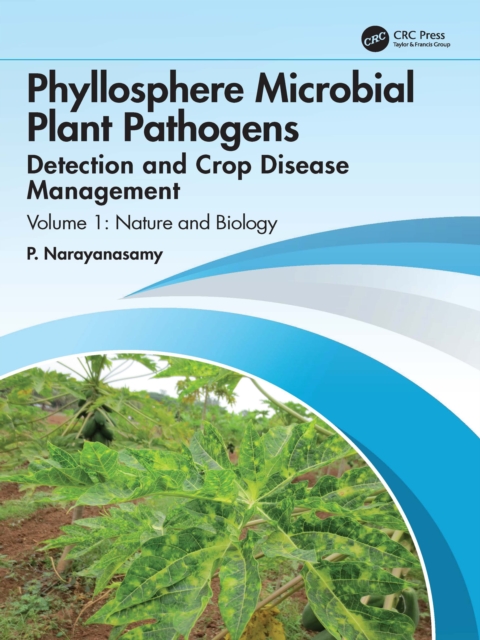
This book provides comprehensive knowledge of the methods of detection and identification of phyllosphere microbial pathogens and the management of different kinds of diseases caused by them in various crops.
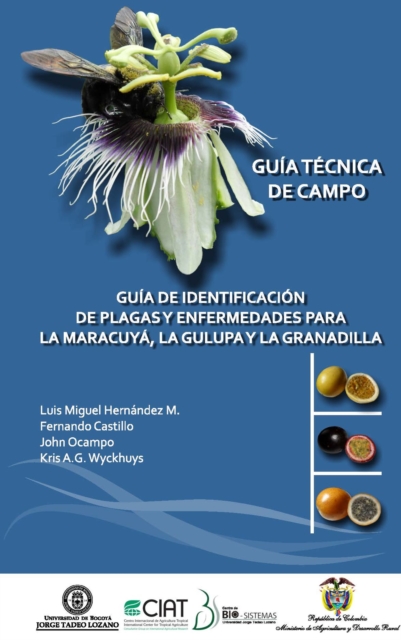
Un buen manejo de malezas no necesariamente significa un alto uso de herbicidas; el establecimiento o mantenimiento de un cultivo de cobertura puede beneficiar el manejo de plagas y enfermedades.
This book, by Australia's ladybird beetle specialist, Dr Adam Slipinski, illustrates Australia's diverse and fascinating ladybird beetle fauna - the commoner spotted species and the many others that are striped, glossy, and even very hairy.
This book, by Australia's ladybird beetle specialist, Dr Adam Slipinski, illustrates Australia's diverse and fascinating ladybird beetle fauna — the commoner spotted species and the many others that are striped, glossy, and even very hairy.
Controlling Invertebrate Pests in Agriculture discusses the principles of pest management and relates this to historical methods as well as current and future directions.
This comprehensive guide to wetland weeds covers both native and introduced species, ranging from minor or localised environmental problems to those that should not be tolerated in any situation.
This comprehensive guide to wetland weeds covers both native and introduced species, ranging from minor or localised environmental problems to those that should not be tolerated in any situation.
For almost 40 years, Australian researchers have been part of an international group of scientists who have studied graft-transmitted disorders of the grapevine.