This book provides architects, engineers, builders, foresters, members of the pest control and timber industries, and the general public with a ready source of reference to the more important wood borers and termites encountered in Australia.
For almost 40 years, Australian researchers have been part of an international group of scientists who have studied graft-transmitted disorders of the grapevine.
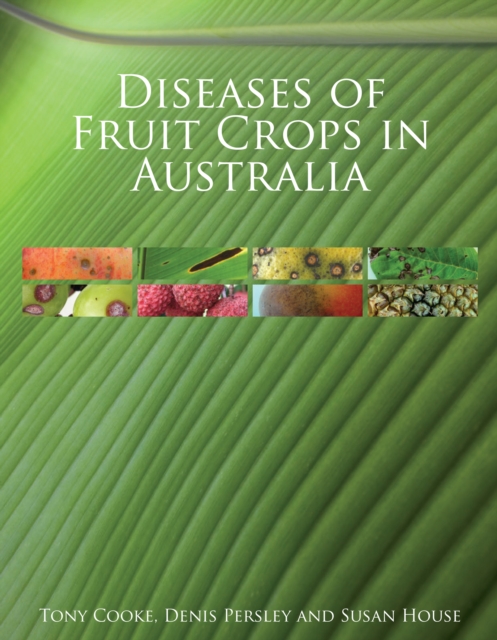
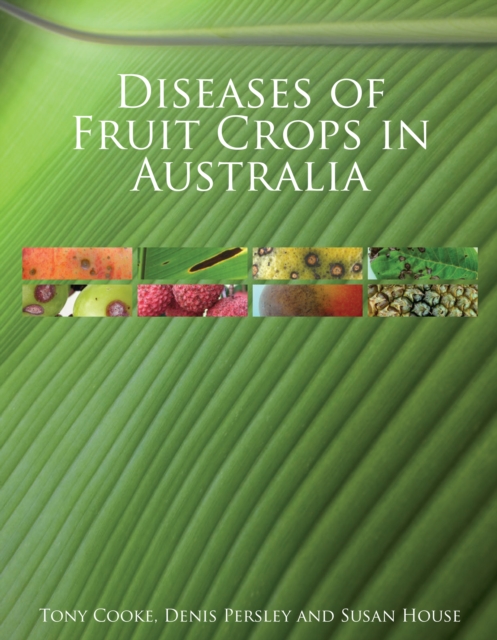
Diseases of Fruit Crops in Australia is the new standard reference in applied plant pathology in Australia covering important diseases affecting the broad range of fruit and nut crops grown throughout Australia.
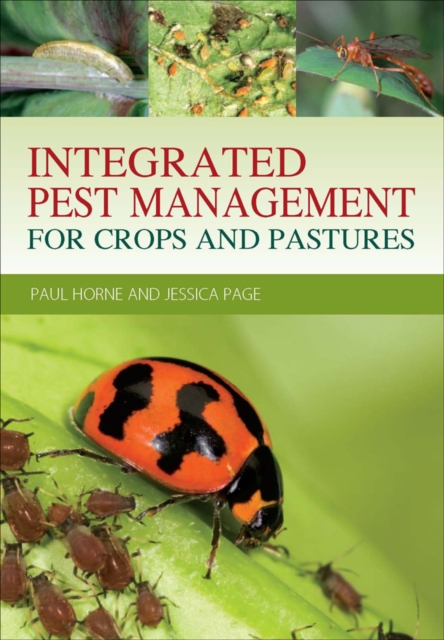
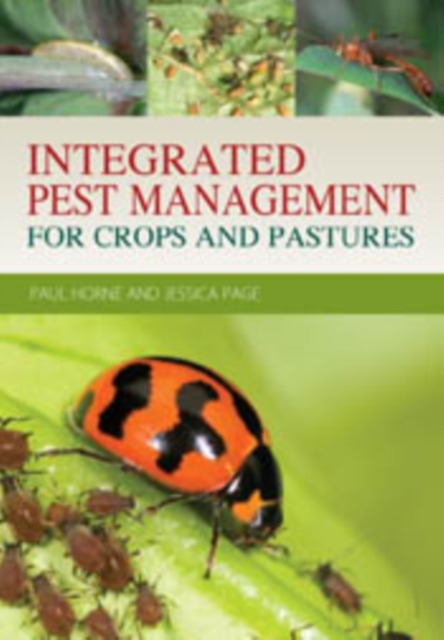
Integrated Pest Management for Crops and Pastures describes in straightforward language what is required for farmers to successfully implement Integrated Pest Management (IPM) in cropping and grazing operations.
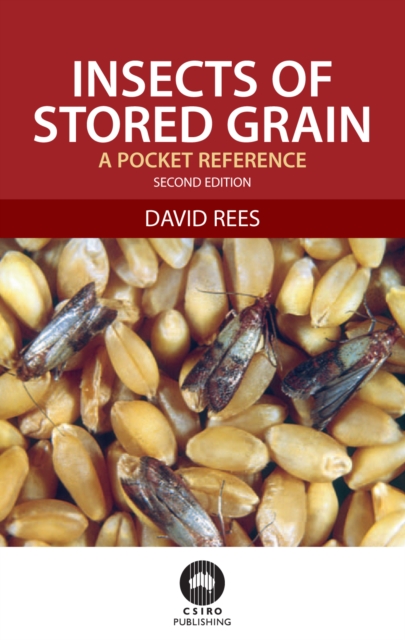
A pocket reference that allows the non-specialist to identify major insect and arachnid pests found in stored cereal grains, grain products and grain legumes.
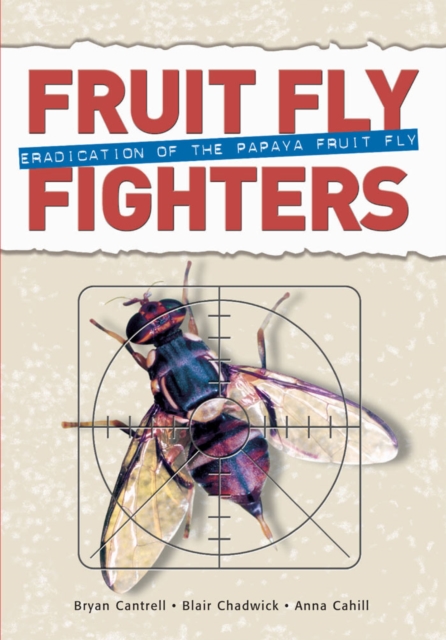
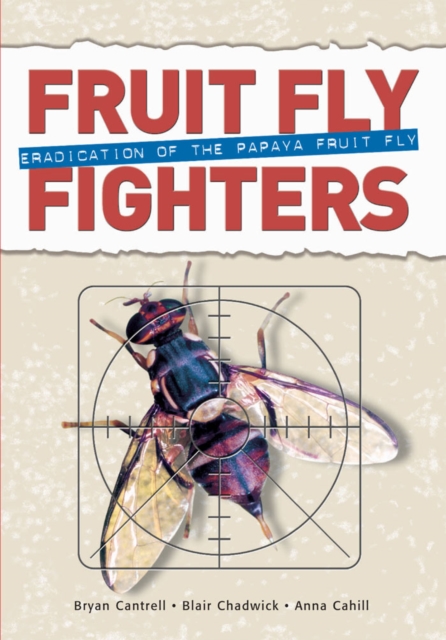
The campaign to eradicate the papaya fruit fly from north Queensland has been widely acknowledged by international scientists as a significant technical achievement that equals any similar control program world-wide.
Integrated Pest Management for Crops and Pastures describes in straightforward language what is required for farmers to successfully implement Integrated Pest Management (IPM) in cropping and grazing operations.
The campaign to eradicate the papaya fruit fly from north Queensland has been widely acknowledged by international scientists as a significant technical achievement that equals any similar control program world-wide.
Diseases of Fruit Crops in Australia is the new standard reference in applied plant pathology in Australia covering important diseases affecting the broad range of fruit and nut crops grown throughout Australia.
This guide synthesizes the most current information available on the pests and environmental conditions that can damage California's conifers, the vast majority of native trees in the state.
This book provides comprehensive knowledge of the methods of detection and identification of phyllosphere microbial pathogens and the management of different kinds of diseases caused by them in various crops.
POSTHARVEST PATHOGENS AND DISEASE MANAGEMENT Postharvest diseases caused by microbial pathogens account for millions of dollars in losses of both durable and perishable produce products every year.
The updated edition of the classic, fundamental book on weed science Weed Science provides a detailed examination of the principles of integrated weed management with important details on how chemical herbicides work and should be used.
Optimising Pesticide Use brings together the wide range of scientific disciplines necessary to ensure best practice through monitoring what is used and improving how it is formulated and applied.
This book brings together the knowledge from and tools for genetic and genomic research into oomycetes to help solve the problems this pathogen poses to crops and animals.
Handbook of Plant Disease Identification and Management presents the fundamentals of plant diseases identification based on symptomology and management focusing mainly on integrated pest management approach.
Handbook of Plant Disease Identification and Management presents the fundamentals of plant diseases identification based on symptomology and management focusing mainly on integrated pest management approach.
Wheat Blast provides systematic and practical information on wheat blast pathology, summarises research progress and discusses future perspectives based on current understanding of the existing issues.
Wheat Blast provides systematic and practical information on wheat blast pathology, summarises research progress and discusses future perspectives based on current understanding of the existing issues.
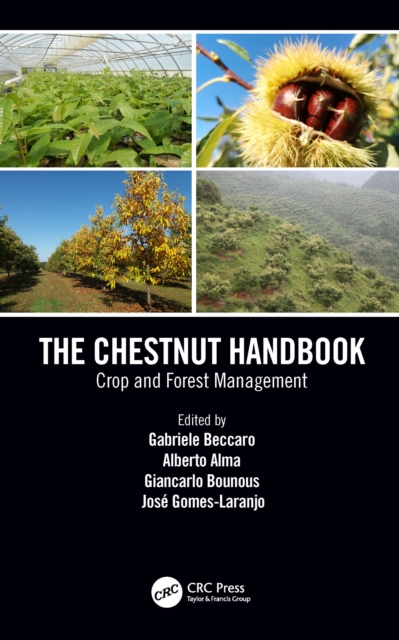
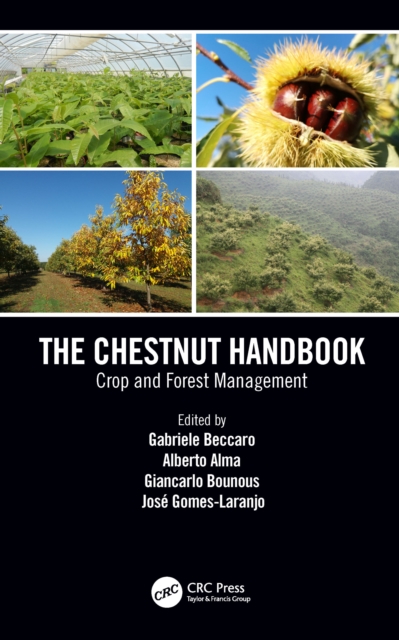
From Mediterranean Europe to Chile and from China to Australia, chestnut cultivation surface has greatly increased globally over the last several decades.
From Mediterranean Europe to Chile and from China to Australia, chestnut cultivation surface has greatly increased globally over the last several decades.
This monograph provides information on the basic and applied research on the morphology, taxonomy, biology, ecology and behaviour of the whitefly, Bemisia tabaci (Gennadius).
Recent interest in nonchemical methods of pest control has brought renewed attention to the biological control of plant pests in the fields of entomology, plant pathology, and weed science.
Top-down approaches to pest management, relying on agrochemical inputs that can be scarce, expensive, ecologically toxic, or inaccessible, have repeatedly failed to solve pest problems that affect small farmers in developing countries.
The efficient production of large numbers of high-quality insects is a concern both for basic research and for the success of control programmes for pests of agricultural and medical significance.
Addressing the problem of the high cost of agricultural development in tropical regions, this book summarizes the environmental concerns associated with tropical agriculture.
The contributors discuss pesticide production, distribution, and use; the problems caused by pests and pesticides; and the role of integrated pest management in minimizing these problems.
The 1985 Research Conference on Fire Ants and Leaf-Cutting Ants covered the most recent developments in research and control of these insect pests of the New World tropical and subtropical zones, the southern United States, South and Central America, and the Caribbean Islands.