The adverse affects of pesticides and other toxic deterrents on the environment and human health are causing researchers to investigate biological methods for controlling arthropods - flies and mites - which negatively affect livestock and poultry.
This monograph provides information on the basic and applied research on the morphology, taxonomy, biology, ecology and behaviour of the whitefly, Bemisia tabaci (Gennadius).
Recent interest in nonchemical methods of pest control has brought renewed attention to the biological control of plant pests in the fields of entomology, plant pathology, and weed science.
Top-down approaches to pest management, relying on agrochemical inputs that can be scarce, expensive, ecologically toxic, or inaccessible, have repeatedly failed to solve pest problems that affect small farmers in developing countries.
The efficient production of large numbers of high-quality insects is a concern both for basic research and for the success of control programmes for pests of agricultural and medical significance.
The adverse affects of pesticides and other toxic deterrents on the environment and human health are causing researchers to investigate biological methods for controlling arthropods - flies and mites - which negatively affect livestock and poultry.
Addressing the problem of the high cost of agricultural development in tropical regions, this book summarizes the environmental concerns associated with tropical agriculture.
The contributors discuss pesticide production, distribution, and use; the problems caused by pests and pesticides; and the role of integrated pest management in minimizing these problems.
The 1985 Research Conference on Fire Ants and Leaf-Cutting Ants covered the most recent developments in research and control of these insect pests of the New World tropical and subtropical zones, the southern United States, South and Central America, and the Caribbean Islands.
Stored commodities are man-made ecosystems and interactions of biological agents with its surrounding physical environment could result in significant economic losses if physical environment is not manipulated to make it lethal or at least difficult for survival of biological agents.
Soilborne microbial plant pathogens including oomycetes, fungi, bacteria and viruses cause several economically important destructive diseases and the symptoms of infection can be recognized only after the pathogen has invaded many tissues primarily vascular tissues of susceptible plants.
Soilborne microbial plant pathogens including oomycetes, fungi, bacteria and viruses cause several economically important destructive diseases and the symptoms of infection can be recognized only after the pathogen has invaded many tissues primarily vascular tissues of susceptible plants.
CHOICE Highly recommended 2020Insects are key components of life on our planet, and their presence is essential for maintaining balanced terrestrial ecosystems.
The field of Phytobacteriology is rapidly advancing and changing, because of recent advances in genomics and molecular plant pathology, but also due to the global spread of bacterial plant diseases and the emergence of new bacterial diseases.
The field of Phytobacteriology is rapidly advancing and changing, because of recent advances in genomics and molecular plant pathology, but also due to the global spread of bacterial plant diseases and the emergence of new bacterial diseases.
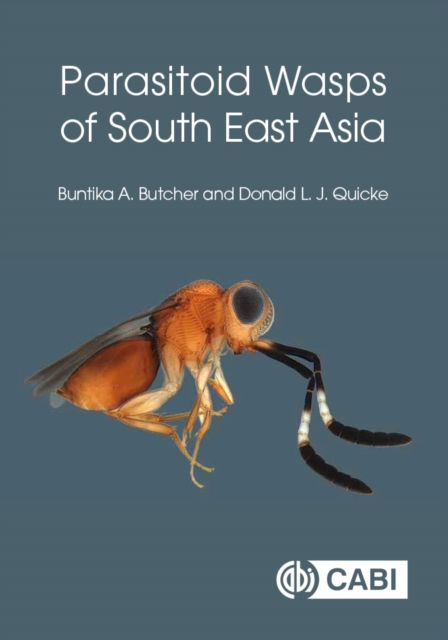
Parasitoid wasps are cosmopolitan, numerous and enormously diverse with probably one million or more species worldwide, most of which occur in the moist tropics.
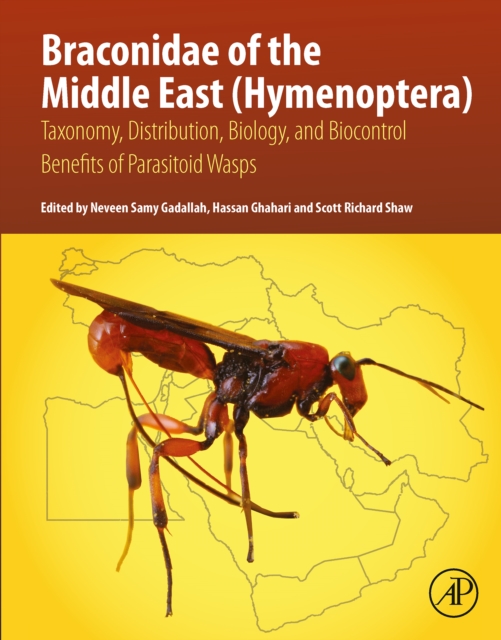
Braconidae of the Middle East (Hymenoptera): Taxonomy, Distribution, Biology, and Biocontrol Benefits of Parasitoid Wasps provides the latest and most comprehensive knowledge of parasitoid wasp species.
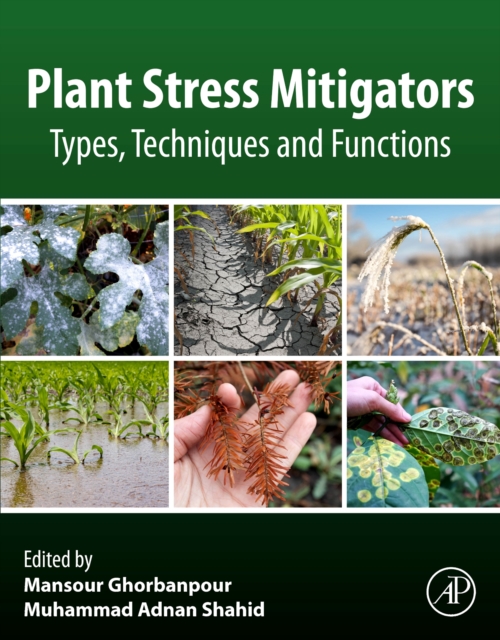
Plant Stress Mitigators: Types, Techniques and Functions presents a detailed contextual discussion of various stressors on plant health and yield, with accompanying insights into options for limiting impacts using chemical elicitors, bio-stimulants, breeding techniques and agronomical techniques such as seed priming, cold plasma treatment, and nanotechnology, amongst others.
Pyrethrum: the Natural Insecticide covers the papers presented at the 1972 "e;"e;International Symposium on Recent Advances with Pyrethrum the Natural Insecticide"e;"e; held in conjunction with the American Institute of Biological Sciences Silver Anniversary Meeting at the University of Minnesota, Minneapolis.
Biological Control in Agricultural IPM Systems covers the proceedings of the 1984 symposium on Biological Control in Agricultural IPM Systems, held in the Citrus Research and Education Center of the University of Florida at Lake Alfred.
The Theory and Practice of Biological Control covers conventional biological control achievement in the major crop types and in public health problems.
Viral Insecticides for Biological Control focuses on the basic as well as applied aspects of viral insecticides, which have the potential to significantly reduce the current reliance on chemical pesticide technology.
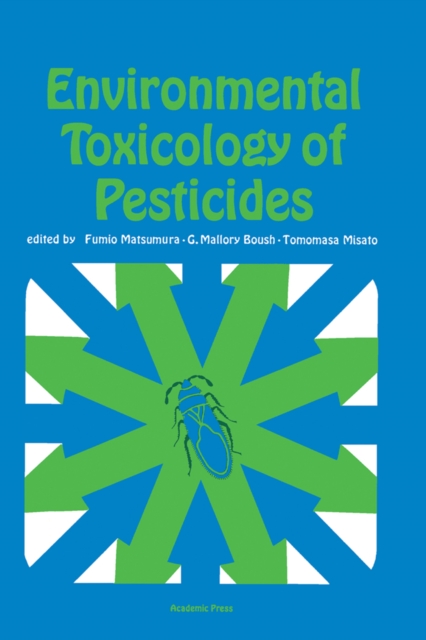
Environmental Toxicology of Pesticides provides an overview of the state of knowledge in the major pesticidal subject areas and describes the efforts and approaches underway in solving or understanding these problems.
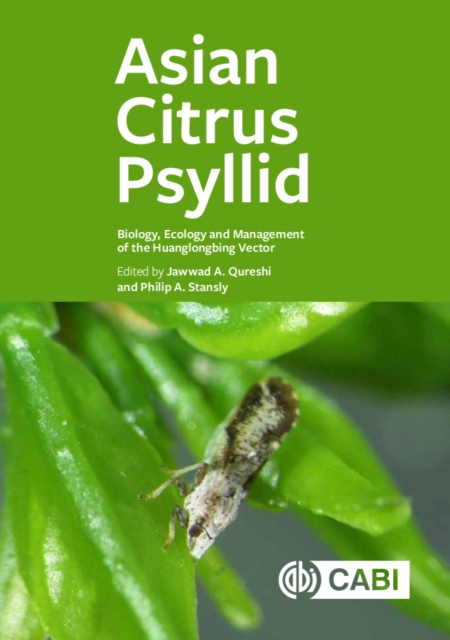
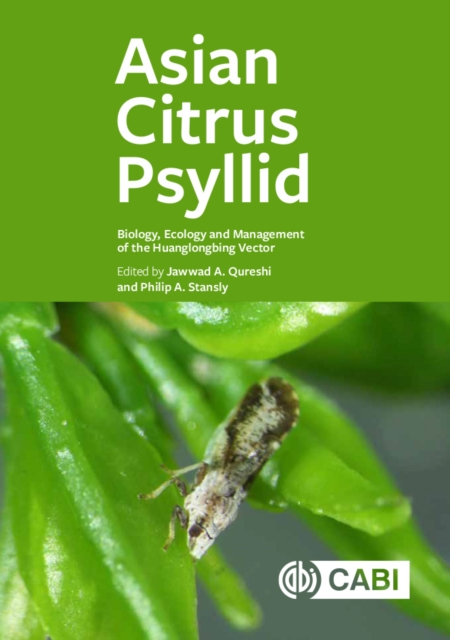
Asian citrus psyllid (ACP), Diaphorina citri, is an insect pest which transmits a bacterium, Candidatus Liberibacter asiaticus (CLas), primarily through feeding in newly emergent foliage of citrus trees.
Asian citrus psyllid (ACP), Diaphorina citri, is an insect pest which transmits a bacterium, Candidatus Liberibacter asiaticus (CLas), primarily through feeding in newly emergent foliage of citrus trees.
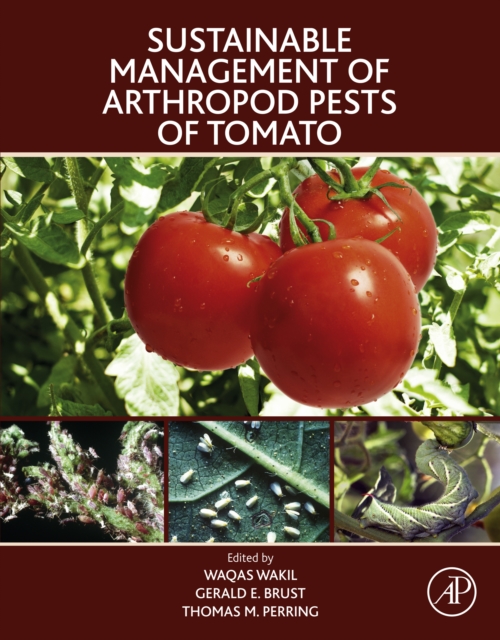
Sustainable Management of Arthropod Pests of Tomato provides insight into the proper and appropriate application of pesticides and the integration of alternative pest management methods.
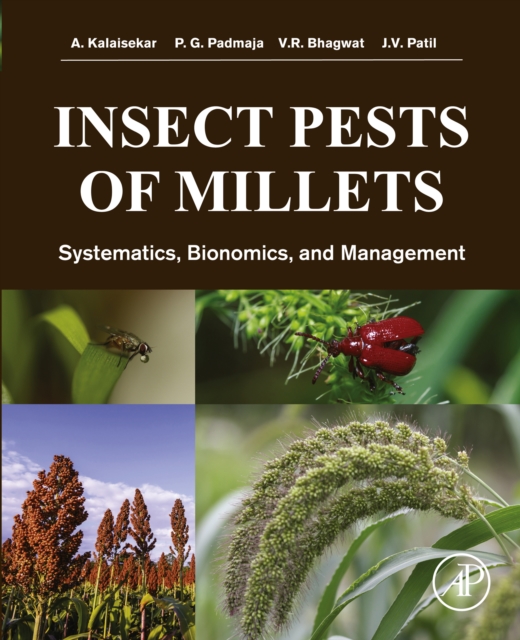
Insect Pests of Millets: Systematics, Bionomics, and Management focuses on protecting the cultivated cereals that many worldwide populations depend on for food across the semi-arid tropics of the world.
A wide-ranging, interdisciplinary exploration of key topics that interrelate pest management, public health and the environment This book takes a unique, multidimensional approach to addressing the complex issues surrounding pest management activities and their impacts on the environment and human health, and environmental effects on plant protection practices.
A wide-ranging, interdisciplinary exploration of key topics that interrelate pest management, public health and the environment This book takes a unique, multidimensional approach to addressing the complex issues surrounding pest management activities and their impacts on the environment and human health, and environmental effects on plant protection practices.
Plant Disease covers all aspects of diseases of plants growing in the wild or likely to be encountered on cultivated plants in farm, forest and garden.