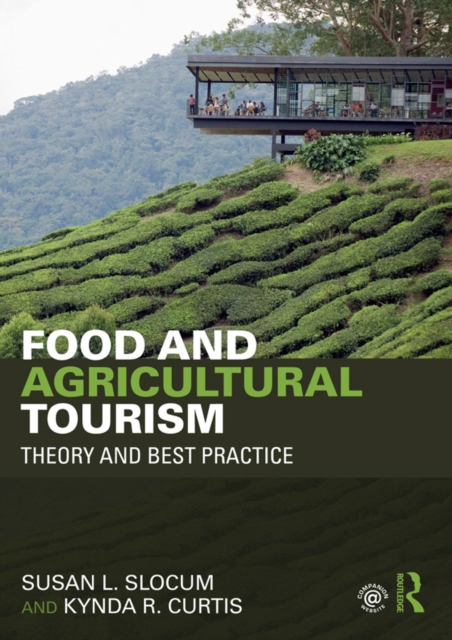
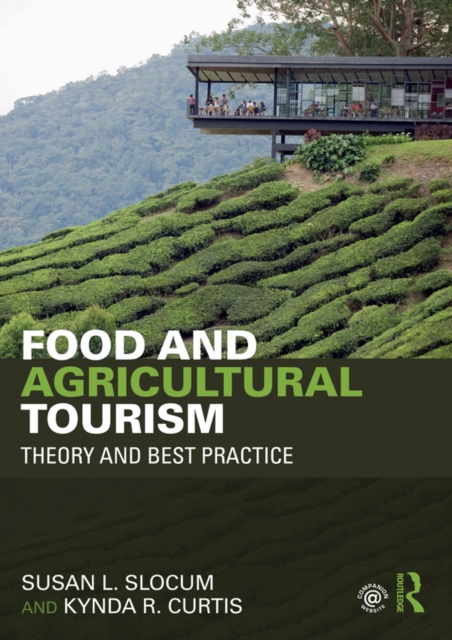
This book fills a gap in the growing academic discipline of food and agricultural tourism, offering the first multidisciplinary approach to food tourism and the role it plays in economic development, destination marketing, and gastronomic exploration.
This book fills a gap in the growing academic discipline of food and agricultural tourism, offering the first multidisciplinary approach to food tourism and the role it plays in economic development, destination marketing, and gastronomic exploration.
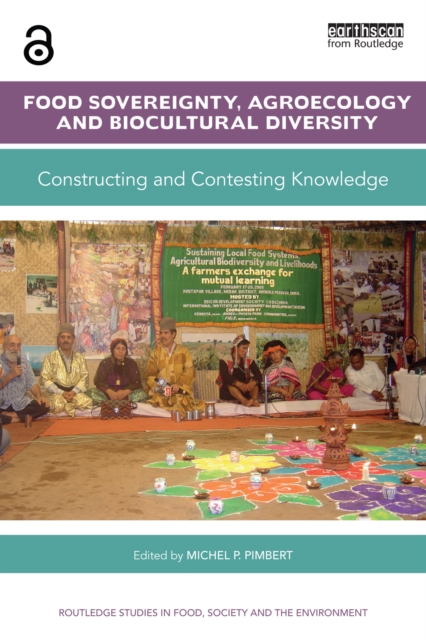
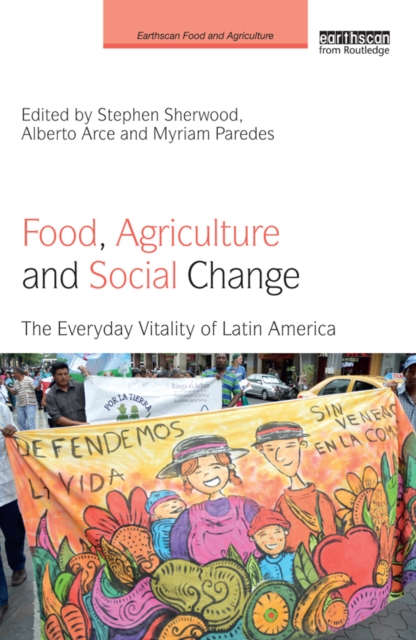
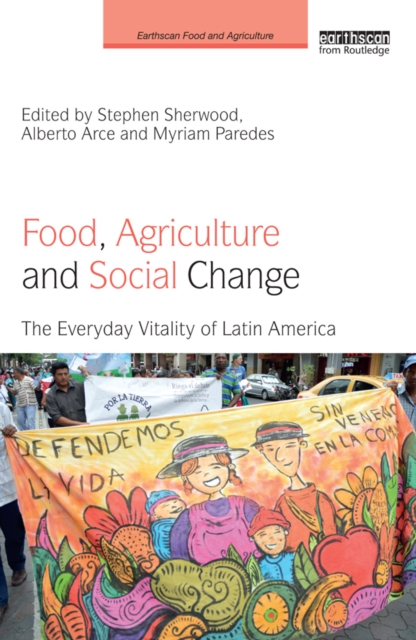
Contestations over knowledge - and who controls its production - are a key focus of social movements and other actors that promote food sovereignty, agroecology and biocultural diversity.
Knowledge of Africa's complex farming systems, set in their socio-economic and environmental context, is an essential ingredient to developing effective strategies for improving food and nutrition security.
Knowledge of Africa's complex farming systems, set in their socio-economic and environmental context, is an essential ingredient to developing effective strategies for improving food and nutrition security.
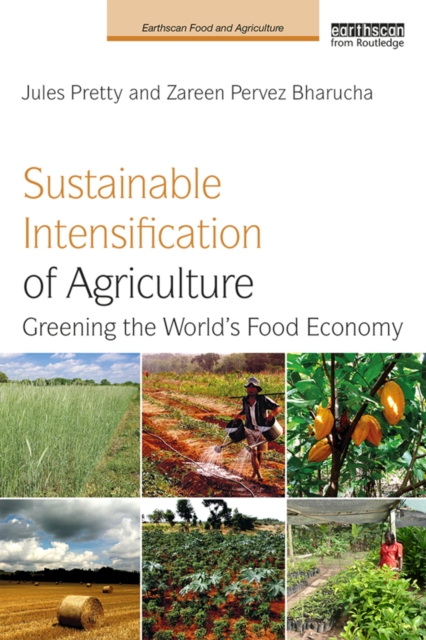
Sustainable intensification (SI) has emerged in recent years as a powerful new conceptualisation of agricultural sustainability and has been widely adopted in policy circles and debates.
Sustainable intensification (SI) has emerged in recent years as a powerful new conceptualisation of agricultural sustainability and has been widely adopted in policy circles and debates.
Contradictions between impressive levels of economic growth and the persistence of poverty and inequality are perhaps nowhere more evident than in rural Brazil.
Contradictions between impressive levels of economic growth and the persistence of poverty and inequality are perhaps nowhere more evident than in rural Brazil.
Crossing disciplinary boundaries, this volume by A-zerdem and Roberts conceptualizes the challenges of developing sustainable agriculture in post-conflict environments as well as identifying the policies and practical solutions to achieve sustainable agricultural production which is central to the survival of humanity.
Crossing disciplinary boundaries, this volume by A-zerdem and Roberts conceptualizes the challenges of developing sustainable agriculture in post-conflict environments as well as identifying the policies and practical solutions to achieve sustainable agricultural production which is central to the survival of humanity.
There has been a resurgence of community gardening over the past decade with a wide range of actors seeking to get involved, from health agencies aiming to increase fruit and vegetable consumption to radical social movements searching for symbols of non-capitalist ways of relating and occupying space.
There has been a resurgence of community gardening over the past decade with a wide range of actors seeking to get involved, from health agencies aiming to increase fruit and vegetable consumption to radical social movements searching for symbols of non-capitalist ways of relating and occupying space.
The worldwide interest in sustainable development has not only prompted ecological developments in policy and research in key sectors such as industry or transportation, but also in the management and assessment of new lifestyles such as healthy food consumption and sustainable use of products.
The worldwide interest in sustainable development has not only prompted ecological developments in policy and research in key sectors such as industry or transportation, but also in the management and assessment of new lifestyles such as healthy food consumption and sustainable use of products.
From the bestselling author of The Market Gardener - key principles for biointensive market gardening and powerful stories of successful growers who are farming profitably on a human-scaleMicrofarms is a guide to setting up and running profitable small-scale vegetable farms using organic, low-tech, and highly intensive production methods grounded in ecological principles.
This book provides a comprehensive overview of the latest research and developments in the field of root and tuber crops from a sustainable production and protection perspective.
Home Gardens for Improved Food Security and Livelihoods demonstrates how home gardens hold particular significance for resource-poor and marginalized communities in developing countries, and how they offer a versatile strategy toward building local and more resilient food systems.
Home Gardens for Improved Food Security and Livelihoods demonstrates how home gardens hold particular significance for resource-poor and marginalized communities in developing countries, and how they offer a versatile strategy toward building local and more resilient food systems.
Contemporary agriculture is often criticized for its industrial scale, adverse effects on nutrition, rural employment and the environment, and its disconnectedness from nature and culture.
Contemporary agriculture is often criticized for its industrial scale, adverse effects on nutrition, rural employment and the environment, and its disconnectedness from nature and culture.
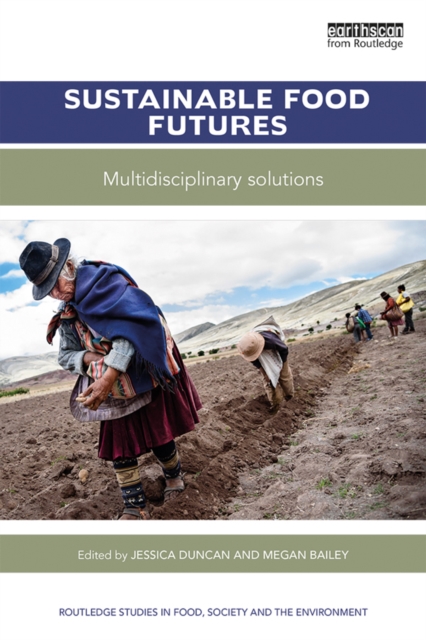
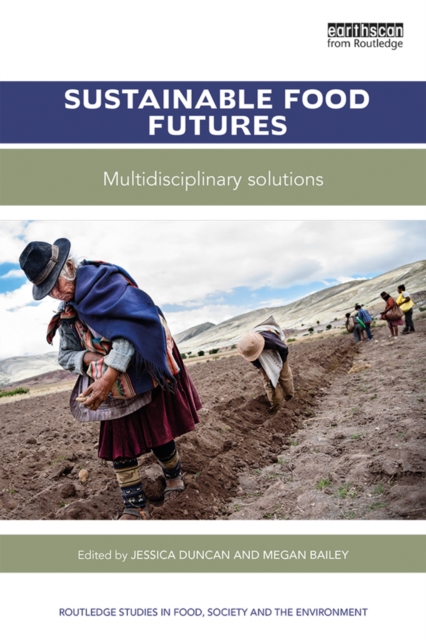
Securing sustainable food for everyone is one of the world's most pressing challenges, but research, policy, and programmes remain fragmented, and effective solutions have been slow to emerge.
Securing sustainable food for everyone is one of the world's most pressing challenges, but research, policy, and programmes remain fragmented, and effective solutions have been slow to emerge.
Remarkable advances are being made in life science and agricultural research to reform the methods of food production, particularly with regard to staple grain and legume crops, in ways that will better reflect ecological realities.
Remarkable advances are being made in life science and agricultural research to reform the methods of food production, particularly with regard to staple grain and legume crops, in ways that will better reflect ecological realities.
In recent years, food studies scholarship has tended to focus on a number of increasingly abstract, largely unquestioned concepts with regard to how capital, markets and states organize and operate.
In recent years, food studies scholarship has tended to focus on a number of increasingly abstract, largely unquestioned concepts with regard to how capital, markets and states organize and operate.
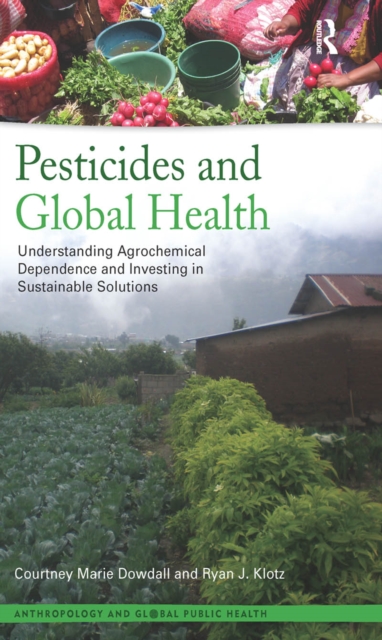
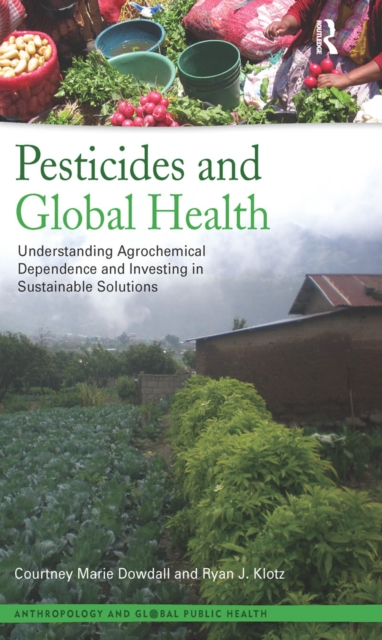
This concise, accessible introduction to understanding agricultural chemicals and public health combines a broad synthesis on a global scale with rich ethnographic narratives on a human scale.
This concise, accessible introduction to understanding agricultural chemicals and public health combines a broad synthesis on a global scale with rich ethnographic narratives on a human scale.
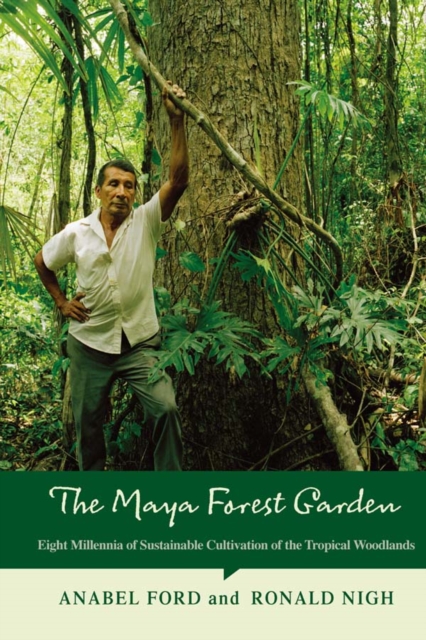
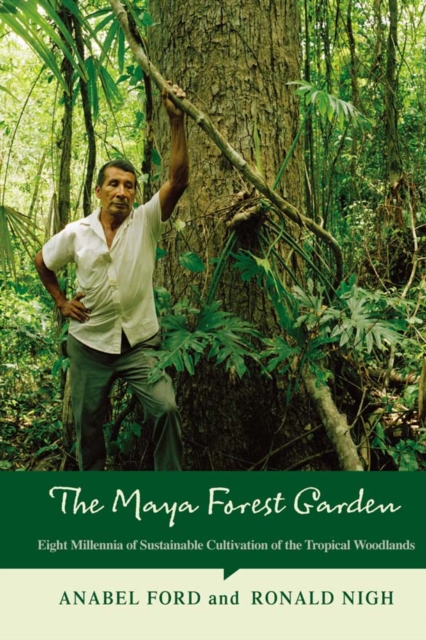
The conventional wisdom says that the devolution of Classic Maya civilization occurred because its population grew too large and dense to be supported by primitive neotropical farming methods, resulting in debilitating famines and internecine struggles.
The conventional wisdom says that the devolution of Classic Maya civilization occurred because its population grew too large and dense to be supported by primitive neotropical farming methods, resulting in debilitating famines and internecine struggles.
Key features:Reviews the development of agroecology in China, including research, practice, management, and education regarding challenges for rural and agricultural progressPresents information from sources not readily available in the West about agricultural development in China during the last several decadesProvides models and indicates starting points for future research and practiceAddresses how to meet future challenges of agroecosystems from the field to the table in China from scientific, technological, and management perspectivesDuring the past 30 years, industrialization has fundamentally changed traditional rural life and agricultural practices in China.
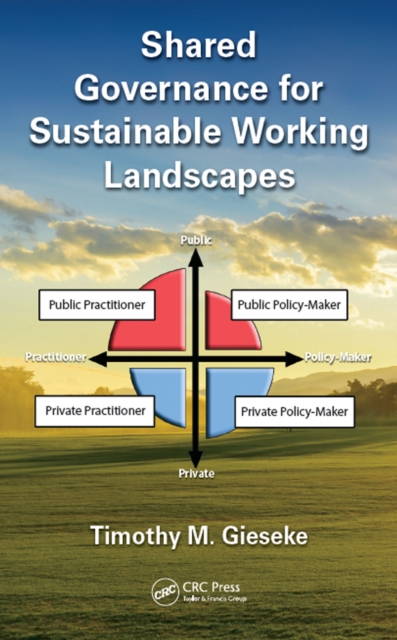
Sustaining our agricultural landscapes is no longer just a technical, scientific or even political problem, but it has evolved into a socially complex, so-called wicked problem of conflicting social governance and economics.
Energy in Agroecosystems: A Tool for Assessing Sustainability is the first book on energy analysis that is up-to-date and specifically dedicated to agriculture.