Ecologists, agronomists, and others who may question the validity of current models for determining sustainable growth of agroecosystems, need a new set of analytical tools that more effectively address the complex nature of related processes.
Recognition of the importance of soil organic matter (SOM) in soil health and quality is a major part of fostering a holistic, preventive approach to agricultural management.
Over the past twenty years considerable public attention has been focused on the decline of marine fisheries, the sustainability of world fish production, and the impacts of fishing on marine ecosystems.
Over the past twenty years considerable public attention has been focused on the decline of marine fisheries, the sustainability of world fish production, and the impacts of fishing on marine ecosystems.
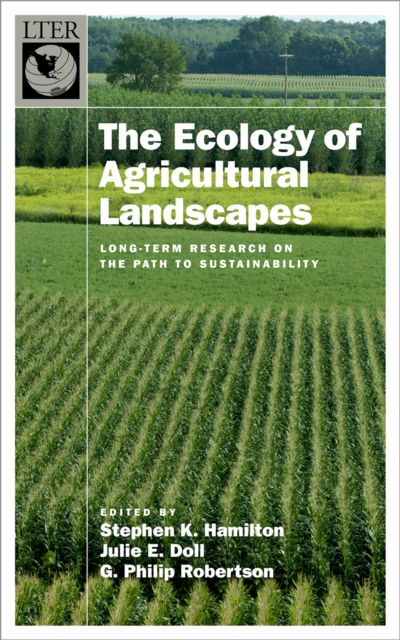
Evidence has been mounting for some time that intensive row-crop agriculture as practiced in developed countries may not be environmentally sustainable, with concerns increasingly being raised about climate change, implications for water quantity and quality, and soil degradation.
Evidence has been mounting for some time that intensive row-crop agriculture as practiced in developed countries may not be environmentally sustainable, with concerns increasingly being raised about climate change, implications for water quantity and quality, and soil degradation.
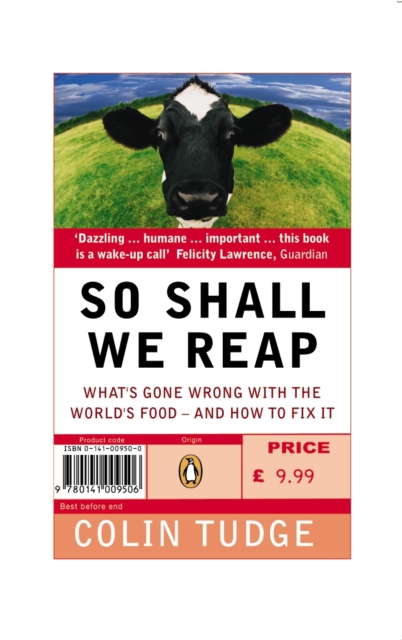
The Sunday Times bestseller *Shortlisted for the Wainwright Prize*A New Statesman and Spectator Book of the Year'This book calls for nothing less than a revolution in the future of food' Kate RaworthFrom the bestselling author of Feral, a breathtaking first glimpse of a new future for food and for humanityFarming is the world's greatest cause of environmental destruction - and the one we are least prepared to talk about.
Sustainable Utilization of Carbon Dioxide in Waste Management addresses all aspects of sustainable use of carbon dioxide in waste management processes and provides best practices and process improvements for carbon sequestration in the management of a variety of waste types, including carbide lime waste, construction waste, and reject brine effluents, amongst others.
Global Environmental Sustainability: Case Studies and Analysis of the United Nations' Journey toward Sustainable Development presents an integrated, interdisciplinary analysis of sustainable development, addressing global environmental problems in the contemporary world.
Sustainable Food Supply Chains: Planning, Design, and Control through Interdisciplinary Methodologies provides integrated and practicable solutions that aid planners and entrepreneurs in the design and optimization of food production-distribution systems and operations and drives change toward sustainable food ecosystems.
Sustainable Food and Agriculture: An Integrated Approach is the first book to look at the imminent threats to sustainable food security through a cross-sectoral lens.
Transgenic Plants, Volume 86, the latest release in the series Advances in Botanical Research, brings together information needed by many teachers, researchers and managers who have to consider biotechnology from a scientific or legal point-of-view.
Human dependence on technology has increased exponentially over the past several centuries, and so too has the notion that we can fix environmental problems with scientific applications.
The complexity of carbon reduction and economic sustainability is significantly complicated by competing aspects of socioeconomic practices as well as legislative, regulatory, and scientific requirements and protocols.
The illustrated guide to profitable, vibrant and sustainable permaculture-based market gardening Permaculture tends to be very much in the domain of home gardeners and property owners.
This interdisciplinary book combines digital technology with Eastern philosophy to examine how the concept of Zhongyong in Confucianism can be used to coordinate digital technology with sustainable agriculture.
Sustainable Industrial Design and Waste Management was inspired by the need to have a text that enveloped awareness and solutions to the ongoing issues and concerns of waste generated from industry.
Agricultural growth, bolstered by technological advancements and international trade, enhances economic stability and food security in many developing nations in one hand, and reduces income disparities between developed and less developed nations on the other.
Get the latest sustainable agriculture practices and keep an eye on the future Developing and Extending Sustainable Agriculture: A New Social Contract explores the challenges faced by today's farmers and ranchers to provide practical strategies to develop a twenty-first century system of sustainable agriculture that is economically sound, environmentally compatible, and socially acceptable.
In the vibrant discourse of urbanization and climate change, Sustainable Urban Agriculture: New Frontiers investigates emerging needs, rising challenges, and opportunities to support urban agriculture.
Transformations of Global Food Systems for Climate Change Resilience: Addressing Food Security, Nutrition, and Health provides poignant case studies of climate change resilience frameworks for nutrition-focused transformations of agriculture and food systems, food security, food sovereignty, and population health of underserved and marginalized communities from across the globe.
Sustainable Utilization of Carbon Dioxide in Waste Management addresses all aspects of sustainable use of carbon dioxide in waste management processes and provides best practices and process improvements for carbon sequestration in the management of a variety of waste types, including carbide lime waste, construction waste, and reject brine effluents, amongst others.
Increasing evidence of the irreparable damage humans have inflicted on the planet has caused many to adopt a defeatist attitude toward the future of the global environment.
Take a balanced look at ways to ensure food security and to work to erase hunger around the worldAgriculture is the most aggressively managed ecosystem.
Reports from the United Nations indicate that the Sustainable Development Goals (SDGs) are not meeting their targets, at least not according to the proposed timeline.
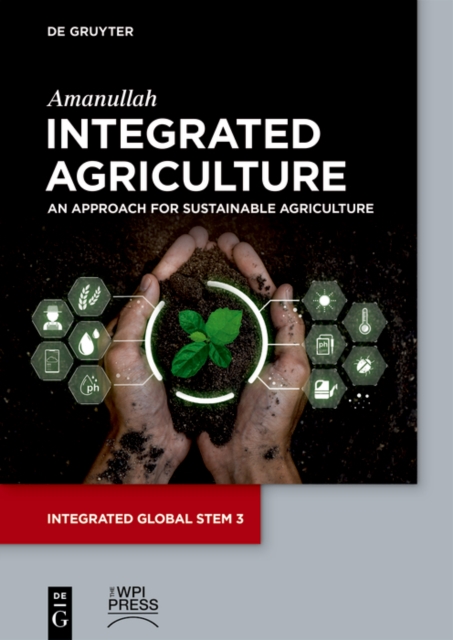
Integrated Agriculture - An Approach for Sustainable Agriculture offers a comprehensive examination of a transformative agricultural paradigm aimed at revolutionizing farming practices worldwide.