Acknowledging the challenges and opportunities raised by Brexit for the agrifood supply chain and agricultural policies across the UK, this book provides the first in-depth analysis of agricultural policy developments across the UK's four nations rooted in strong theoretical and practical underpinnings.
Acknowledging the challenges and opportunities raised by Brexit for the agrifood supply chain and agricultural policies across the UK, this book provides the first in-depth analysis of agricultural policy developments across the UK's four nations rooted in strong theoretical and practical underpinnings.
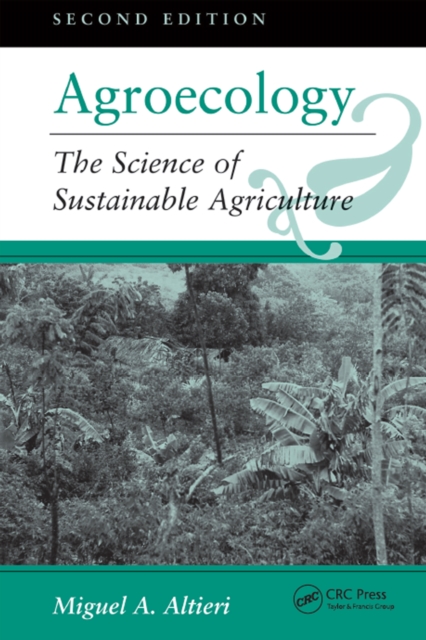
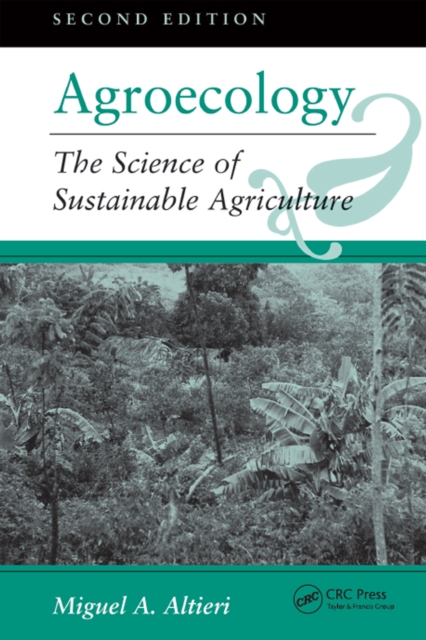
This book incorporates new insights and concepts in the hope of helping guide agricultural students, researchers, and practitioners to a deeper understanding of the ecology of agricultural systems that will open the doors to new management options with the objectives of sustainable agriculture.
This book incorporates new insights and concepts in the hope of helping guide agricultural students, researchers, and practitioners to a deeper understanding of the ecology of agricultural systems that will open the doors to new management options with the objectives of sustainable agriculture.
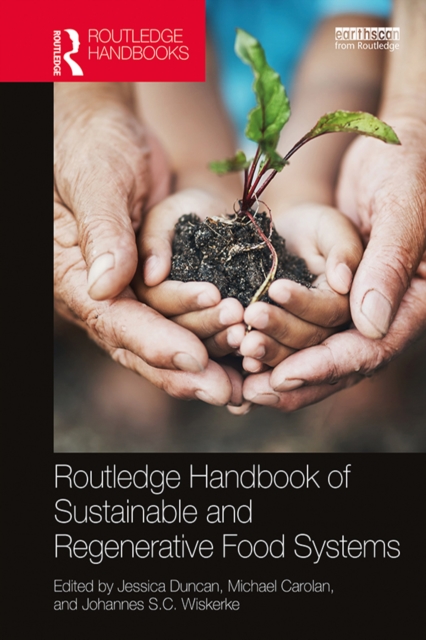
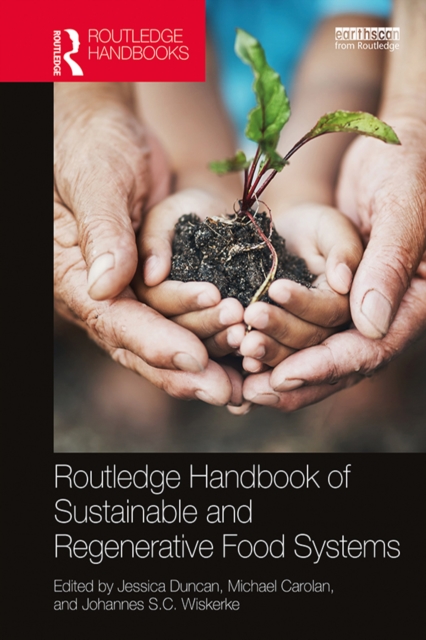
This handbook includes contributions from established and emerging scholars from around the world and draws on multiple approaches and subjects to explore the socio-economic, cultural, ecological, institutional, legal, and policy aspects of regenerative food practices.
This handbook includes contributions from established and emerging scholars from around the world and draws on multiple approaches and subjects to explore the socio-economic, cultural, ecological, institutional, legal, and policy aspects of regenerative food practices.
Published in 1998, the aim of this text is to promote awareness of the evolution of Greek agriculture, as well as of the development of national strategies, in conformity with the Common Agricultural Policy provision - which is important for a successful confrontation of modern and prospective international challenges.
Published in 1998, the aim of this text is to promote awareness of the evolution of Greek agriculture, as well as of the development of national strategies, in conformity with the Common Agricultural Policy provision - which is important for a successful confrontation of modern and prospective international challenges.
First published in 1999, this volume explores the environmental change which is an increasingly serious problem for Third World countries, and one that has a major impact on the health and livelihoods of the world's poor.
First published in 1999, this volume explores the environmental change which is an increasingly serious problem for Third World countries, and one that has a major impact on the health and livelihoods of the world's poor.
Agrobiodiversity and agroecology go hand-in-hand in promoting environmental resilience in international food systems as well as climate change resilient food policy.
Agrobiodiversity and agroecology go hand-in-hand in promoting environmental resilience in international food systems as well as climate change resilient food policy.
First published in 1999, this volume emerged in the context of a recent willingness to understand what Africa's peasant farmers are designing and building in their local landscapes, in contrast to the meta-narratives which were relatively distant from the lives and livelihoods of Africans.
First published in 1999, this volume emerged in the context of a recent willingness to understand what Africa's peasant farmers are designing and building in their local landscapes, in contrast to the meta-narratives which were relatively distant from the lives and livelihoods of Africans.
First published in 1998, this book provides a broad but in-depth description of the issues, concepts, methods of analysis, and empirical results related to the sustainable development of agriculture and rural communities.
First published in 1998, this book provides a broad but in-depth description of the issues, concepts, methods of analysis, and empirical results related to the sustainable development of agriculture and rural communities.
Foregrounding an innovative and radical perspective on food planning, this book makes the case for an agroecological urbanism in which food is a key component in the reinvention of new and just social arrangements and ecological practices.
Foregrounding an innovative and radical perspective on food planning, this book makes the case for an agroecological urbanism in which food is a key component in the reinvention of new and just social arrangements and ecological practices.
First published in 1997, this volume reflects concern about the environmental impact of modern agricultural practices, agriculture's increasing reliance on non-renewable resources, and the long-term productivity of high external-input agricultural systems which has prompted a number of initiatives to promote the adoption and diffusion of more sustainable technologies.
First published in 1997, this volume reflects concern about the environmental impact of modern agricultural practices, agriculture's increasing reliance on non-renewable resources, and the long-term productivity of high external-input agricultural systems which has prompted a number of initiatives to promote the adoption and diffusion of more sustainable technologies.
Current and projected worldwide shortages of energy, fertilizer, and irrigation water, coupled with a rapidly expanding population, are prompting agricultural scientists to seek, identify, and develop new crop species.
Global concern about the impact of climatic variability on food supplies has been growing since 1963 when a major crop failure in the Soviet Union ended a long period of abundant, low-cost surplus grain.
Top-down approaches to pest management, relying on agrochemical inputs that can be scarce, expensive, ecologically toxic, or inaccessible, have repeatedly failed to solve pest problems that affect small farmers in developing countries.
Addressing the problem of the high cost of agricultural development in tropical regions, this book summarizes the environmental concerns associated with tropical agriculture.
This book of selected research papers, originally presented at the "e;Symposium of Fragile Lands of Latin America-The Search for Sustainable Uses,"e; presents some fresh evidence of the viability of a few "e;non-conventional"e; strategies for natural resource development and management.
This book looks at the input-output relations of low-resource agriculture in Africa and shows how the intensification process through the application of modern technologies can work successfully to raise productivity and to sustain production over the long term.
Current and projected worldwide shortages of energy, fertilizer, and irrigation water, coupled with a rapidly expanding population, are prompting agricultural scientists to seek, identify, and develop new crop species.
Global concern about the impact of climatic variability on food supplies has been growing since 1963 when a major crop failure in the Soviet Union ended a long period of abundant, low-cost surplus grain.
Top-down approaches to pest management, relying on agrochemical inputs that can be scarce, expensive, ecologically toxic, or inaccessible, have repeatedly failed to solve pest problems that affect small farmers in developing countries.
This book of selected research papers, originally presented at the "e;Symposium of Fragile Lands of Latin America-The Search for Sustainable Uses,"e; presents some fresh evidence of the viability of a few "e;non-conventional"e; strategies for natural resource development and management.
This book looks at the input-output relations of low-resource agriculture in Africa and shows how the intensification process through the application of modern technologies can work successfully to raise productivity and to sustain production over the long term.
With this absolute beginner's guide, learn how to set up your backyard hives, select and raise bees, and harvest honey, with the added bonus of bringing pollinators to your yard and garden.
Addressing the problem of the high cost of agricultural development in tropical regions, this book summarizes the environmental concerns associated with tropical agriculture.
The economic and political rise of the BRICS countries (Brazil, Russia, India, China and South Africa), and powerful middle-income countries (MICs) such as Argentina, Indonesia and Turkey, has far-reaching implications for global agrarian transformation.
The economic and political rise of the BRICS countries (Brazil, Russia, India, China and South Africa), and powerful middle-income countries (MICs) such as Argentina, Indonesia and Turkey, has far-reaching implications for global agrarian transformation.
This book examines the challenges and impacts of poor diets and nutrition from current food systems and the potential contribution of biodiversity and ecosystem services in addressing these problems.
This book examines the challenges and impacts of poor diets and nutrition from current food systems and the potential contribution of biodiversity and ecosystem services in addressing these problems.
This book looks at agricultural systems and rural economies in Asia through the prism of alternative innovation systems, alternative public policy and institutional changes.