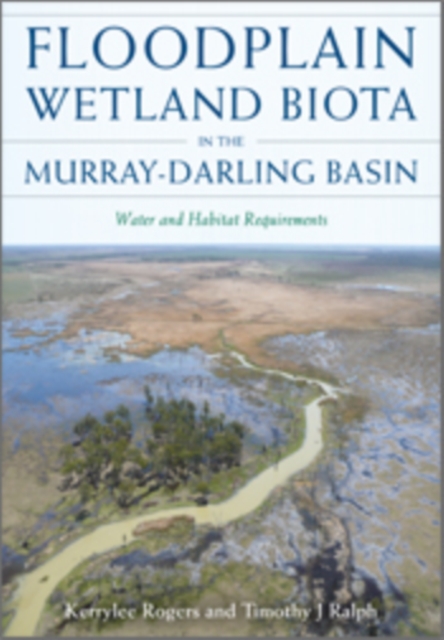
Floodplain wetlands of the Murray-Darling Basin provide critical habitat for numerous species of flora and fauna, yet the ecology of these wetlands is threatened by a range of environmental issues.
Adapting Agriculture to Climate Change is a fundamental resource for primary industry professionals, land managers, policy makers, researchers and students involved in preparing Australia's primary industries for the challenges and opportunities of climate change.
Rainforest Restoration Manual for South-Eastern Australia is the definitive guide to the recovery and restoration of Subtropical, Warm Temperate, Cool Temperate, Gallery, Dry, Dry Gully and Littoral Rainforests from south-eastern Queensland toTasmania.
This book offers readers the chance to learn from the experiences of researchers involved in integrated mission-directed research, particularly in the areas of natural resource management and regional development.
There is a rich and extensive history of research into factors that encourage farmers to change their land management practices, or inhibit them from doing so.
Floodplain wetlands of the Murray-Darling Basin provide critical habitat for numerous species of flora and fauna, yet the ecology of these wetlands is threatened by a range of environmental issues.
This book offers readers the chance to learn from the experiences of researchers involved in integrated mission-directed research, particularly in the areas of natural resource management and regional development.
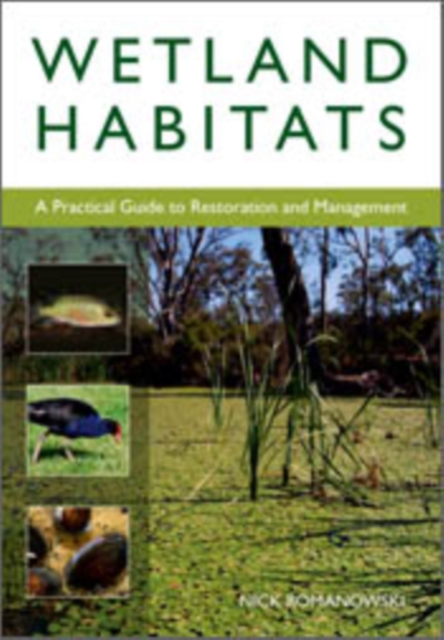
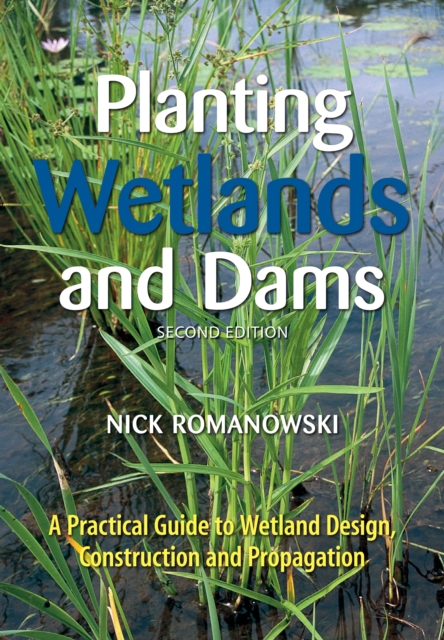
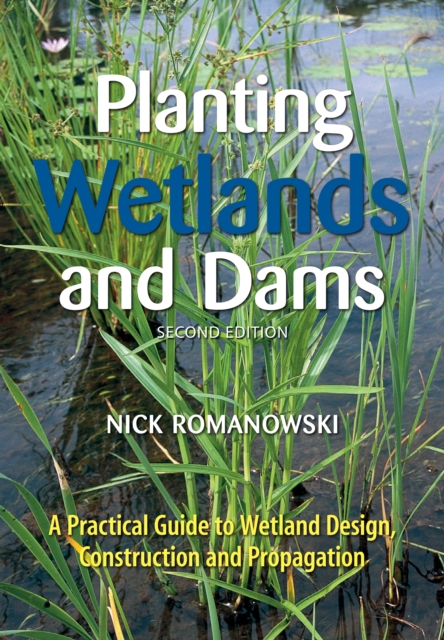
Wetland planting can bring back biodiversity, reduce the impact of drought and flood, improve water quality and conserve beauty in a mismanaged landscape.
Resetting the Compass: Australia's Journey Towards Sustainability Updated Edition sets out Australia's environmental problems in their global context and explains what is now needed to fix them.
Integrated Pest Management for Crops and Pastures describes in straightforward language what is required for farmers to successfully implement Integrated Pest Management (IPM) in cropping and grazing operations.
With global revenue surpassing twenty-five billion dollars annually, organic agriculture is a highly visible and rapidly growing component of agricultural production.
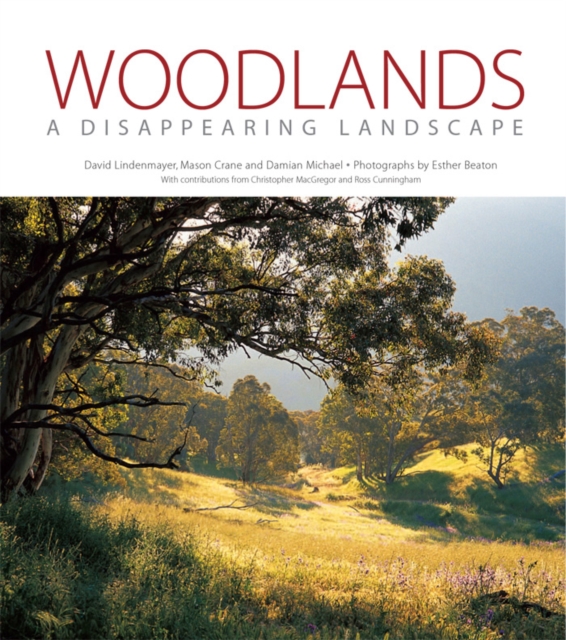
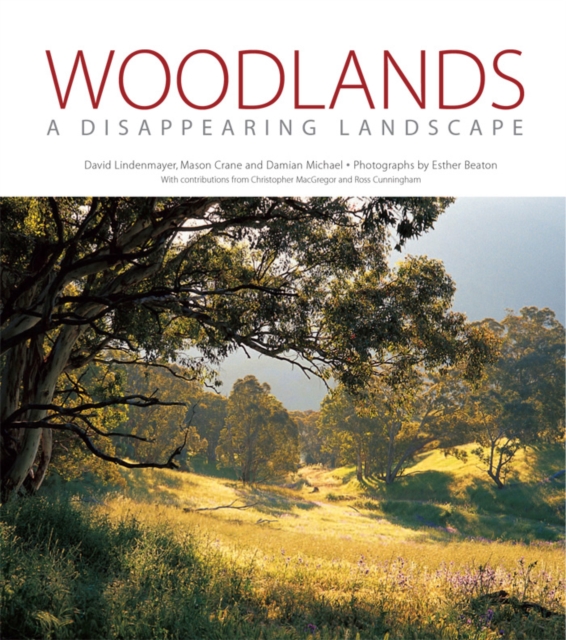
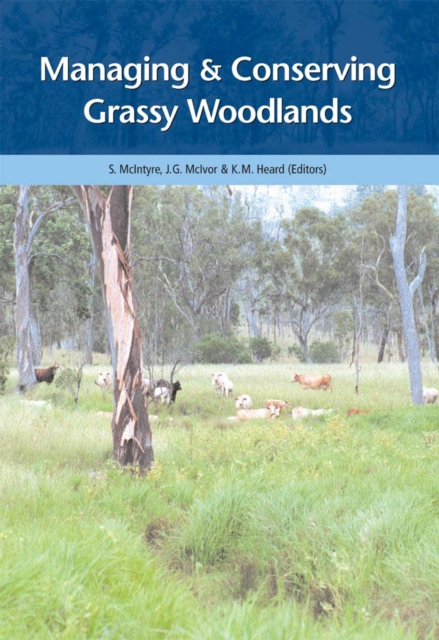
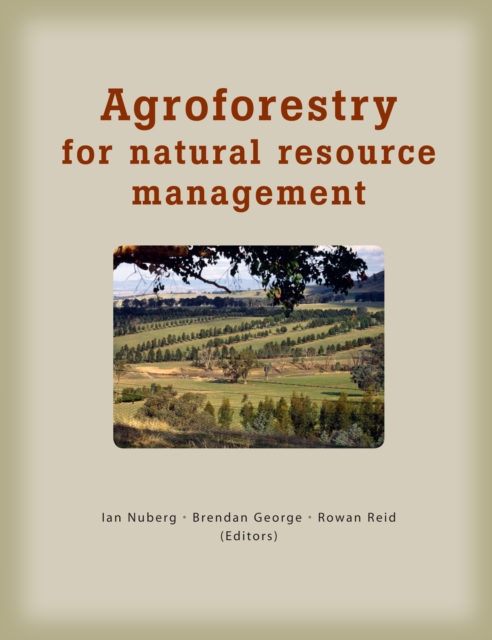
In eastern Australia, grassy eucalypt woodlands have been under severe pressure from agricultural development, with problems of land degradation and species decline being most severe in the cropping lands of south-eastern Australia.
Rainforest Restoration Manual for South-Eastern Australia is the definitive guide to the recovery and restoration of Subtropical, Warm Temperate, Cool Temperate, Gallery, Dry, Dry Gully and Littoral Rainforests from south-eastern Queensland toTasmania.
With global revenue surpassing twenty-five billion dollars annually, organic agriculture is a highly visible and rapidly growing component of agricultural production.
In eastern Australia, grassy eucalypt woodlands have been under severe pressure from agricultural development, with problems of land degradation and species decline being most severe in the cropping lands of south-eastern Australia.
Integrated Pest Management for Crops and Pastures describes in straightforward language what is required for farmers to successfully implement Integrated Pest Management (IPM) in cropping and grazing operations.
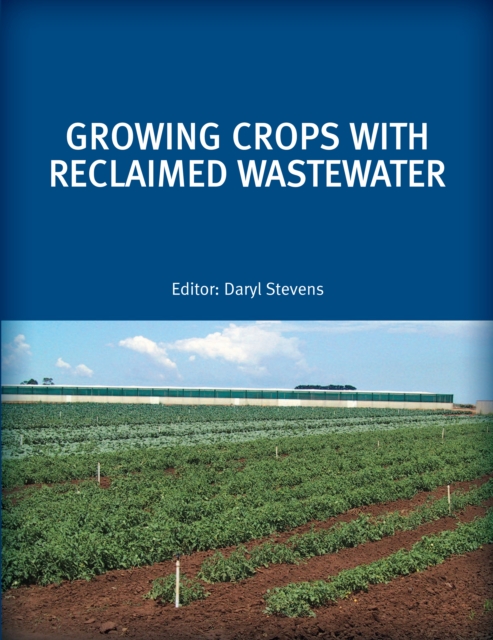
This comprehensive work examines the fundamentals required for reclaimed water schemes to deliver sustainable farming operations that achieve the yield and quality of produce necessary for acceptance in the market.
Adapting Agriculture to Climate Change is a fundamental resource for primary industry professionals, land managers, policy makers, researchers and students involved in preparing Australia’s primary industries for the challenges and opportunities of climate change.
Wetland planting can bring back biodiversity, reduce the impact of drought and flood, improve water quality and conserve beauty in a mismanaged landscape.
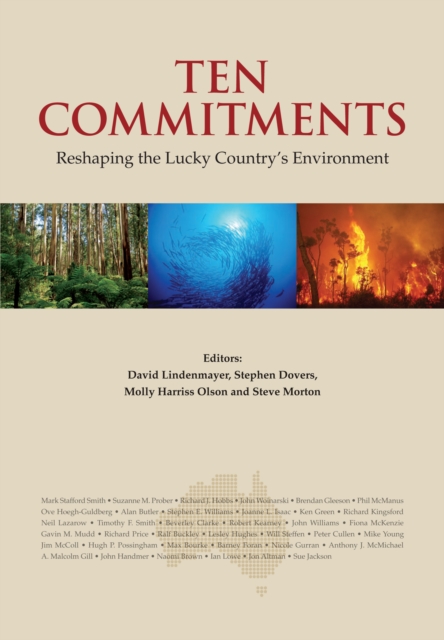
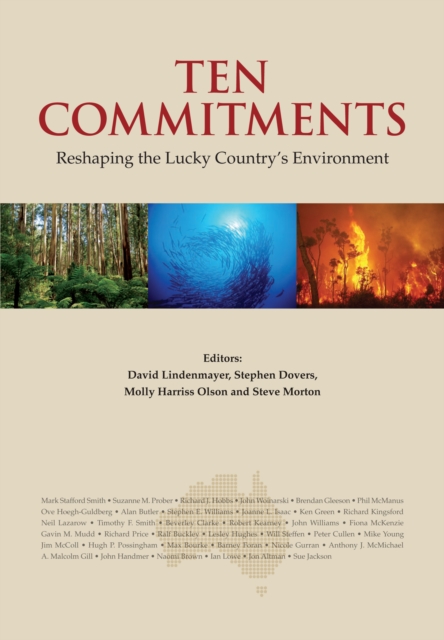
In Ten Commitments: Reshaping the Lucky Country’s Environment, leading environmental thinkers in Australia have written provocative chapters on environmental issues facing the nation.
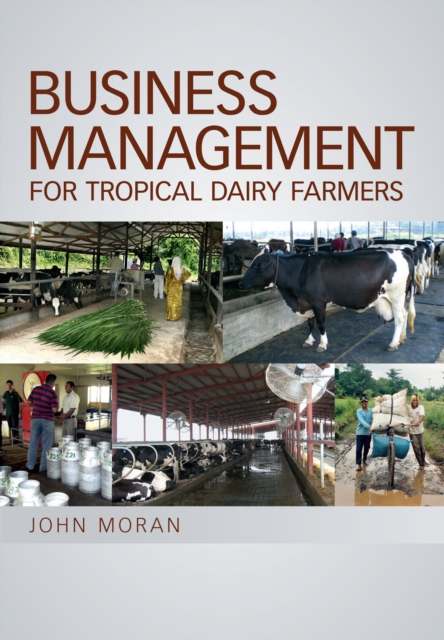
Most countries in South-East Asia have established smallholder dairy farming industries through social welfare and rural development programs to provide a regular cash flow for poorly resourced farmers.
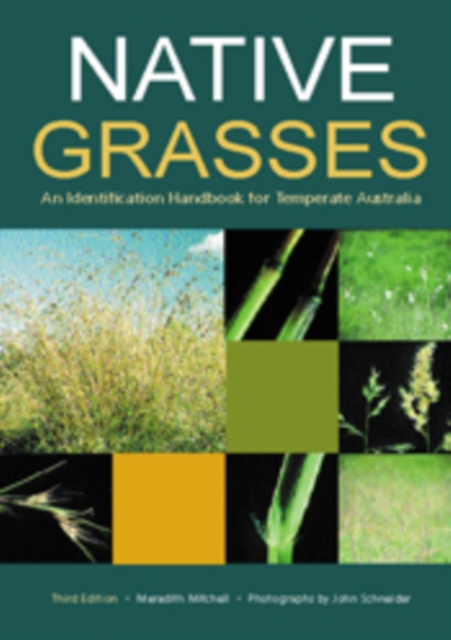
Native Grasses: Identification Handbook for Temperate Australia is an easy-to-use tool for identifying some of the most common native grasses in temperate Australia.
In Ten Commitments: Reshaping the Lucky Country's Environment, leading environmental thinkers in Australia have written provocative chapters on environmental issues facing the nation.
This comprehensive work examines the fundamentals required for reclaimed water schemes to deliver sustainable farming operations that achieve the yield and quality of produce necessary for acceptance in the market.
Whether smashed on toast or hailed as a superfood, the avocado has taken the world by storm, but what are the environmental and social impacts of this trendy fruit?
Whether smashed on toast or hailed as a superfood, the avocado has taken the world by storm, but what are the environmental and social impacts of this trendy fruit?
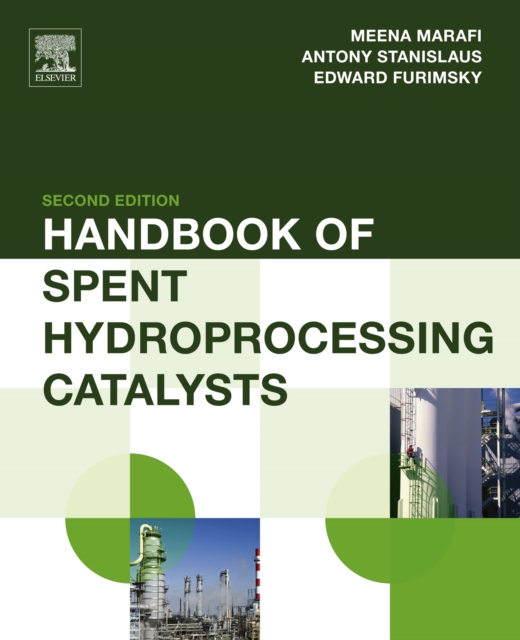
Handbook of Spent Hydroprocessing Catalysts, Second Edition, covers all aspects of spent hydroprocessing catalysts, both regenerable and non-regenerable.
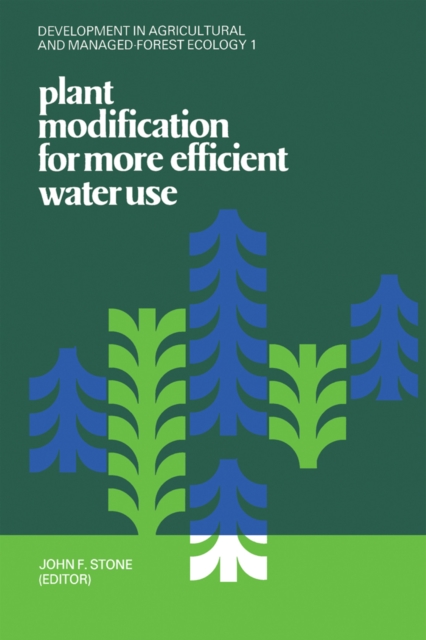
Plant Modification for More Efficient Water Use is a compilation of the proceedings of the Symposium on Plant Modification for More Efficient Water Use.
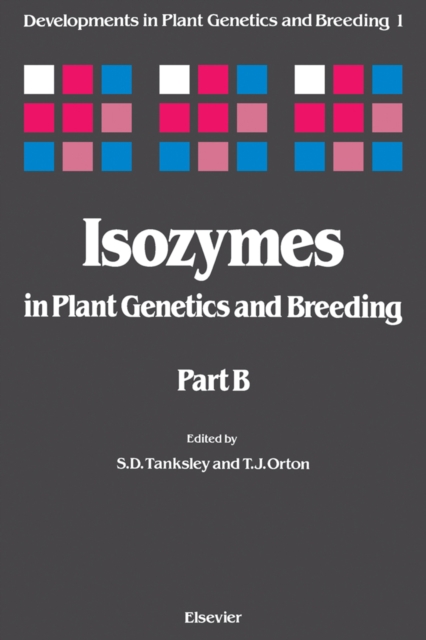
Developments in Plant Genetics and Breeding, 1: Isozymes in Plant Genetics and Breeding, Part B focuses on the advancements in the processes, methodologies, principles, and approaches involved in the study of isozymes, including its role in plant genetics and breeding.
Developments in Plant Genetics and Breeding, 1A: Isozymes in Plant Genetics and Breeding, Part A focuses on the advancements in the processes, methodologies, and approaches involved in the study of isozymes, including its role in plant genetics and breeding.
Genetic research in some fundamental crops, together with the use of chemicals as pesticides and fertilizers, opened the way in the 1950s and 1960s to great changes in methodology in agriculture - with astonishing results in the tropics.