Stabilisers, thickeners and gelling agents are extracted from a variety of natural raw materials and incorporated into foods to give the structure, flow, stability and eating qualities desired by consumers.
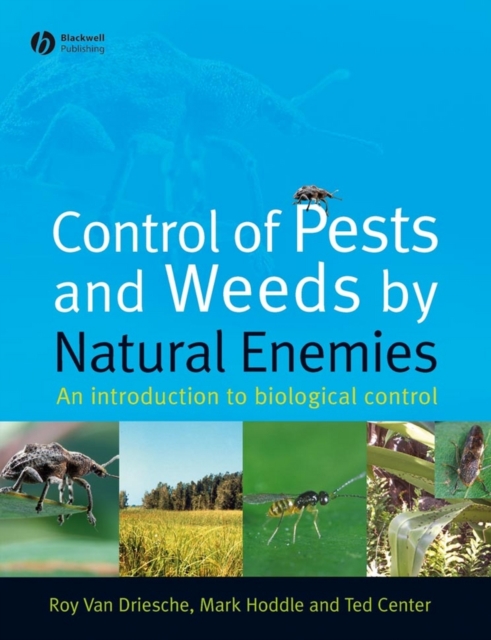
The control of diseases in crops is still largely dominated by the use of fungicides, but with the increasing incidence of fungicide resistance, plus mounting concern for the environment resulting from excessive agrochemical use, the search for alternative, reliable methods of disease control is gaining momentum.
This topical and exciting textbook describes fisheries exploitation, biology, conservation and management, and reflects many recent and important changes in fisheries science.
Oils and fats are almost ubiquitous in food processing whether naturally occurring in foods or added as ingredients for functional benefits and, despite the impression given by several sources to the contrary, they remain an essential part of the human diet.
The second edition of Anaesthetic and Sedative Techniques for Aquatic Animals provided the fisheries and aquaculture industry with vital information on the use of sedation and anaesthetics in the avoidance of stress and physical damage, which can easily be caused by crowding, capture, handling, transportation and release.
The Society of Dairy Technology (SDT) has joined with Wiley-Blackwell to produce a series of technical dairy-related handbooks providing an invaluable resource for all those involved in the dairy industry; from practitioners to technologists working in both traditional and modern large-scale dairy operations.
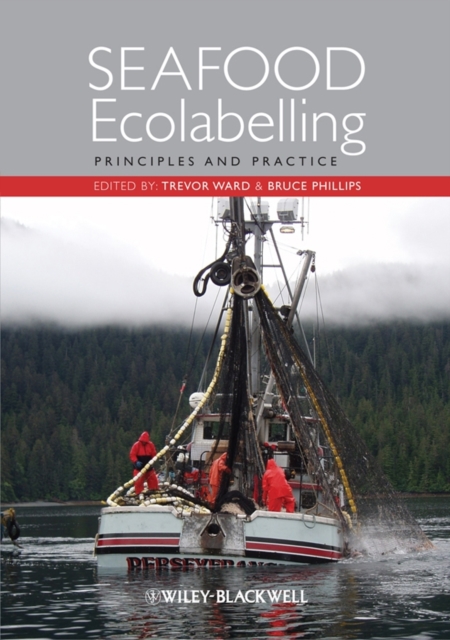
SEAFOOD Ecolabelling Principles and Practice Edited by Trevor Ward and Bruce Phillips In recent years there have been some major developments and a greatly increased recognition of the importance of more sustainable and environmentally-friendly fishing and fish-farming methods.
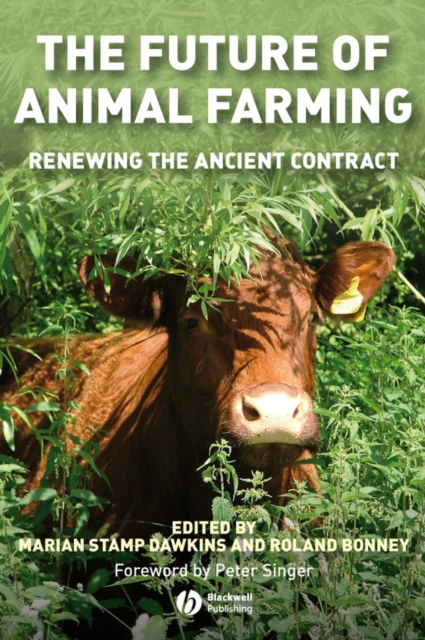
Does animal welfare have a place in sustainable farming, or do the demands of a rising human population and the threat of climate change mean that the interests of animals must be put aside?
The books in this bite-sized new series contain no complicated techniques or tricky materials, making them ideal for the busy, the time-pressured or the merely curious.
Raise Happy Chickens and Other Poultry is a quickly accessible but authoritative guide, suitable for total beginners, that provides all the information you need to start keeping your own chickens.
Written by two of the UK's most well-known and respected experts in the beekeeping community, this is a new and updated edition of a popular reference title which contains everything the beginner, or even intermediate, beekeeper could need.
The Handbook of Cleaner Production comprises a series of reference guides to cleaner production methods, technologies, and practices for key industry sectors.
Named one of Financial Times's Best Books of 2025 The inside story of the crisis within the country's most classic sporthorseracingand why money is killing thoroughbreds at the top of their game.
Farmer Jane profiles thirty women in the sustainable food industry, describing their agriculture and business models and illustrating the amazing changes they are making in how we connect with food.
WITH AN INTRODUCTION BY ROBERT MACFARLANEDuring the Second World War, John Stewart Collis volunteered to leave his comfortable life as an academic to work on the land for the war effort.
Susan Orlean first met John Laroche when visiting Florida to write for the New Yorker about his arrest for stealing rare ghost orchids from a nature reserve.
In Two for Joy, Adam Henson - much-loved and long-standing presenter of Countryfile and Lambing Live - goes on a journey through the seasons to show you what you can find, spot, observe and do in the countryside, to help you find joy in nature all year round.
Understanding Wine Chemistry Understand the reactions behind the world s most alluring beverages The immense variety of wines on the market is the product of multiple chemical processes whether acting on components arising in the vineyard, during fermentation, or throughout storage.
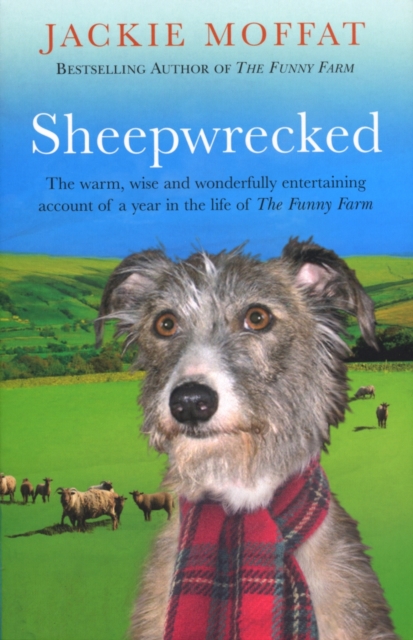
This journey through the changing seasons at Rowfoot Farm - tupping time in the autumn, winters as wet, bleak and cold here in Cumbria as elsewhere, lambing and the glories of spring, a bucolic, bee-filled Eden Valley summer with its many shows and fairs - will reveal much that you need to know about the countryside, its quirky customs and ways, and most likely a great deal that you don't.
Bem-vindo ao guia abrangente sobre treinamento avançado de equinos, uma obra dedicada a aprofundar seus conhecimentos sobre técnicas modernas de equitação e bem-estar equino.
A richly recounted memoir of growing up in an Irish farming community in the 1940sA love of Ireland and the Irish is what shines through this little memoir.
This important book is the re-titled third edition of the extremely well received and widely used Agricultural Extension (van den Ban & Hawkins, 1988, 1996).
Water-soluble polymers or hydrocolloids are widely used in many fields, including food, agriculture, ceramics, paper and ink technology, explosives and the textile industry.
During the 10 years since publication of the first edition of this well-recieved book, the carp and pond fish farming industry has continued to grow steadily.
The market for carbonated beverages has grown dramatically over recent years in most countries, and this growth has required changes in the way factories are run.
The Society of Dairy Technology (SDT) has joined with Blackwell Publishing to produce a series of technical dairy-related handbooks providing an invaluable resource for all those involved in the dairy industry; from practitioners to technologists working in both traditional and modern larged-scale dairy operations.
Since the first edition of this book, 17 years ago, aquaculture has consolidated its position as an important means of producing food and as a contributor to global food security.
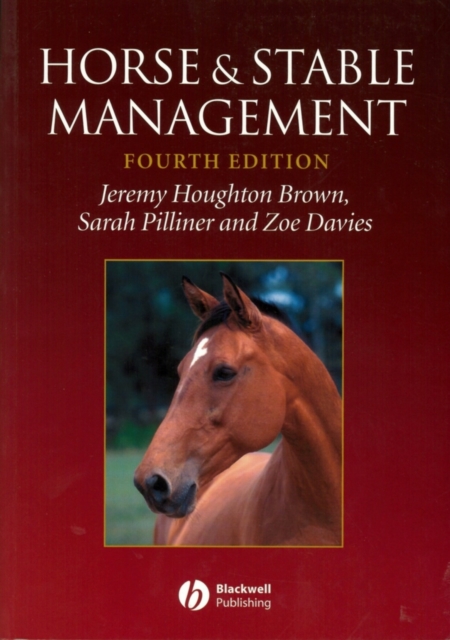
Since the first edition was published in 1984 Horse and Stable Management has become the recognised source of reliable information on all aspects of the practical management of horses and ponies.
As the world s population and the demand for seafood increase, the production of seafood from aquaculture has also seen massive increase and is set to continue.
It is now clear that data based on the studies of fish eggs and larvae make a number of unique contributions to fishery science that are crucial for accurate assessment and management of fish populations, including those of commercially important fisheries.
This concise and well-established working guide for landowners, farmers and their advisers explains the law on the ownership, occupation and use of agricultural land.