Population Genetics and Ecology is a collection of papers presented at a 1975 conference-workshop held in Israel and is devoted to topics in population genetics and ecology.
Viral and Mycoplasmal Infections of Laboratory Rodents: Effects on Biomedical Research contains the proceedings of a conference held at the National Institutes of Health on October 24-26, 1984.
Isozymes, IV: Genetics and Evolution contains manuscripts presented at the Third International Conference on isozymes convened in April 1974 at Yale University.
Natural Cell-Mediated Immunity Against Tumors aims to be the first book to provide a comprehensive discussion on natural cell-mediated immunity against tumors.
This book appears at a time when molecular cytogenetics is positioned to make a significant impact upon evolutionary studies, enabling problems of chromosomal structure and change to be critically assessed.
Vitamins in Animal Nutrition presents concise, up-to-date information on vitamin nutrition for livestock and poultry; comparisons with vitamin use in human nutrition are also presented.
Animal Life-Cycle Feeding and Nutrition reviews developments in feeding and nutrition throughout an animal's life cycle and covers a wide range of topics, from utilization of nutrients such as carbohydrates and proteins to nutrient digestion by ruminants, swine, poultry, and horses.
From the PrefaceThe objective of this book is to review the basic knowledge and methodology of feeding grazing ruminants in tropical and semitropical countries.
Pathology in Marine Science contains the majority of papers presented at the Third International Colloquium on Pathology in Marine Aquaculture held in Gloucester Point, Virginia, USA in October 1988.
This volume is comprised of invited papers presented at the Seventh International Symposium on Ruminant Physiology, held in Sendai, Japan, in September 1989.
This book provides a theoretical basis and a collection of management science tools that account for the interactions between different components of a managed forest ecosystem.
Transgenic animal technologies and the ability to introduce functional genes into animals have revolutionized our ability to address complex biomedical and biological questions, as well as to make practical applications to production agriculture.
New Technologies in Animal Breeding looks at new reproductive technologies in breeding domestic animals, such as sex selection, frozen storage of oocytes and embryos, in vitro fertilization and embryo culture, amphibian nuclear transplantation, parthenogenesis, identical twins and cloning in mammals, and gene transfer in mammalian cells.
Environmental Toxicology of Pesticides provides an overview of the state of knowledge in the major pesticidal subject areas and describes the efforts and approaches underway in solving or understanding these problems.
Plant Tissue Culture: Methods and Applications in Agriculture contains the proceedings of a symposium based on the UNESCO training course on Plant Tissue Culture: Methods and Applications in Agriculture, sponsored by UNESCO and held in Campinas, Sao Paulo, Brazil, on November 8-22, 1978.
'There is one animal that is familiar to all of us, whoever we are, wherever we live'Even if we've never had direct contact with one, we will have seen one, or at the very least, heard one.
'You'd have to have a heart of stone not to be touched by Kate's enthusiasm for her new way of life' - Daily MailIn 2007, after 20 years of living in London, Kate Humble and her husband Ludo decided it was time to leave city life behind them.
When author and homesteader Nicole Faires decided to retrofit an old school bus and tour Americas small farms with her husband and two small children, she expected to learn a lot, be inspired, and have some fun.
'I found myself turning the pages with an inward leap of joy' - Isabella Tree*WINNER of the Richard Jefferies Award for Nature Writing**Shortlisted for the James Cropper Wainwright Prize for Conservation*'Exquisite' GUARDIANIt was a tragic day for the nation's wildlife when England's last and loneliest golden eagle died in an unmarked spot among the remote eastern fells of the Lake District.
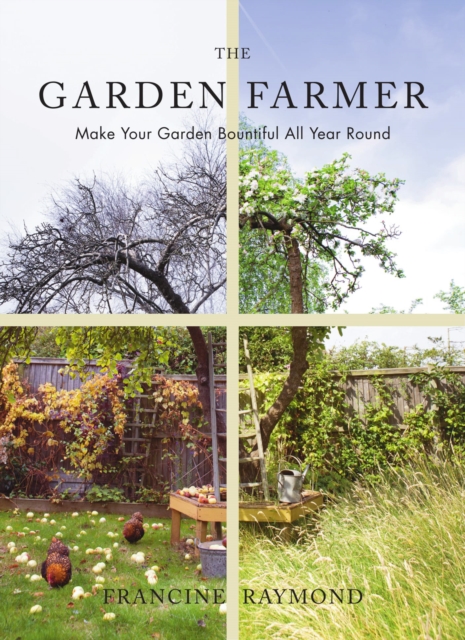
Selected as a Book of the Year 2017 in You Magazine'A lavish monthly guide to getting the most from your garden' Daily MailA punnet of plums from your tree, a handful of gooseberries; home-grown nuts and herbs, and a few freshly laid eggs from your hens all enjoyed in your own small plot.
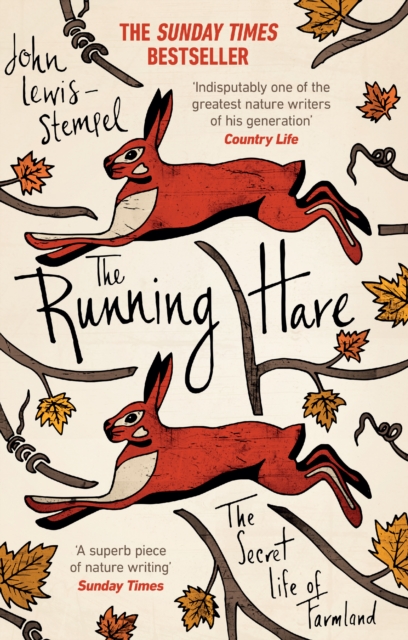
__________________'BRITAIN'S FINEST LIVING NATURE WRITER' - THE TIMESThe Sunday Times Bestseller - SHORTLISTED FOR THE WAINWRIGHT PRIZE 2017 Traditional ploughland is disappearing.
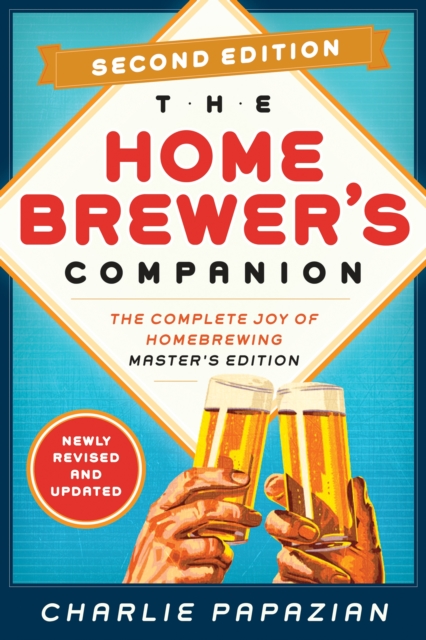
The essential handbook for the advanced brewer from America's #1 expert on homebrewing The Homebrewer's Companion is for brewers who have read The Complete Joy of Hombrewing and discovered the fun and rewards of brewing their own beer and are now ready for more in-depth information.
Bee Journal is a startlingly original poetry sequence: a poem-journal of beekeeping that chronicles the life of the hive, from the collection of a small nucleus on the first day to the capture of a swarm two years later.
From trading recipes with the bad boys of American beer to drinking Czech-Mex cerveza in Tijuana and hanging out in the beer gardens of Africa, Charlie Papazian has seen, and tasted, it all.
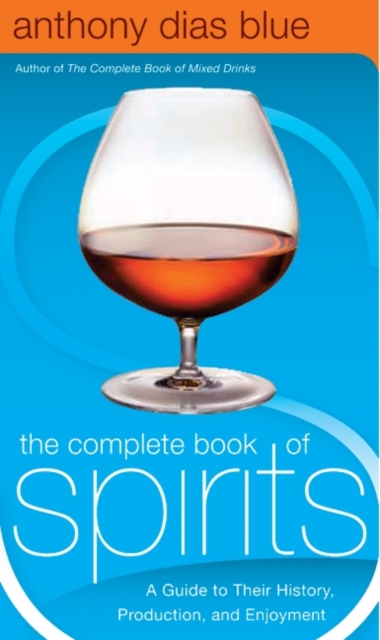
An indispensable follow-up to his classic Complete Book of Mixed Drinks, Anthony Dias Blue presents The Complete Book of Spirits, a comprehensive collection of history, lore, and tasting tips, along with recipes for select cocktails.