The rapid developments in nanostructured materials and nanotechnology will have a profound impact in many areas of biomedical applications including delivery of drugs and biomolecules, tissue engineering, detection of biomarkers, cancer diagnosis, cancer therapy, and imaging.
Gene Delivery: Methods and Applications provides a comprehensive overview on viral and non-viral methods used to genetically engineer human mesenchymal stromal cells.
This pioneering handbook serves as an essential tool for any biobanking entity to create, implement and continuously improve their Quality Management System (QMS).
Regenerative medicine is an emerging and integral part of interventional pain management and meets definitions of interventional pain management and interventional techniques.
This volume provides a unique forum to review cell microencapsulation in a broad sense by exploring various cell types that have been encapsulated for different purposes, different approaches and devices used for microencapsulation, the biomaterials used in cell microencapsulation, the challenges to the technology, and the current status of its application in different clinical situations.
Rapid changes and significant progress have been made in the Agrobacterium field, such as genetically transforming plants for both basic research purposes and agricultural development.
Directed Evolution Library Creation: Methods and Protocols, Second Edition presents user-friendly protocols for both proven strategies and cutting-edge approaches for the creation of mutant gene libraries for directed evolution.
This book in the AAPS book series concisely reviews important aspects of powder and particle systems and the critical quality attributes that should be used as a guide to future developments intended to maximize the control of product quality and performance.
Large-scale chemical fertilizer application causes irreparable damage to soil structure, mineral cycles, soil microbial flora, plants, and other food chains across ecosystems, culminating in heritable mutations in future generations of consumers.
The Microbiology of the Drop-in Biofuel Production is a comprehensive resource that provides basic and applied knowledge, technologies, and regulations of current drop-in biofuel production.
The Handbook of Medical Image Processing and Analysis is a comprehensive compilation of concepts and techniques used for processing and analyzing medical images after they have been generated or digitized.
This book illuminates the essential role of plant genetic resources (PGR) in tackling global challenges such as climate change, desertification, and salinization of agricultural land.
As per the reports of FAO, the human population will rise to 9 billion by the end of 2050 and 70% of more food must be produced over the next three decades to feed the additional population.
Biomass to Renewable Energy Processes, Second Edition, explains the theories of biological processes, biomass materials and logistics, and conversion technologies for bioenergy products such as biogas, ethanol, butanol, biodiesel, and synthetic gases.
Biomass to Renewable Energy Processes, Second Edition, explains the theories of biological processes, biomass materials and logistics, and conversion technologies for bioenergy products such as biogas, ethanol, butanol, biodiesel, and synthetic gases.
Highly recommended by CHOICE, Oct 2018Extremophiles are nature's ultimate survivors, thriving in environments ranging from the frozen Antarctic to abyssal hot hydrothermal vents.
This book provides a current view of the research and commercial landscape of diagnostics devices, particularly those that utilize microscale technologies, intended for both patient and laboratory use.
Bioethanol and Natural Resources: Substrates, Chemistry and Engineered Systems provides a comprehensive review of feedstocks, physiochemical and biological pretreatments, molecular substrates, cellulolytic and ligninolytic enzymes, and advanced technologies for producing bioethanol.
This will be a substantial revision of a good selling text for upper division/first graduate courses in biomedical transport phenomena, offered in many departments of biomedical and chemical engineering.
This will be a substantial revision of a good selling text for upper division/first graduate courses in biomedical transport phenomena, offered in many departments of biomedical and chemical engineering.
The global warming problem is becoming critical year by year, causing climate disaster all over the world, where it has been believed that the CO2 gas emitted from the factories and the burning of fossil fuels may be one of the reasons of global warming.
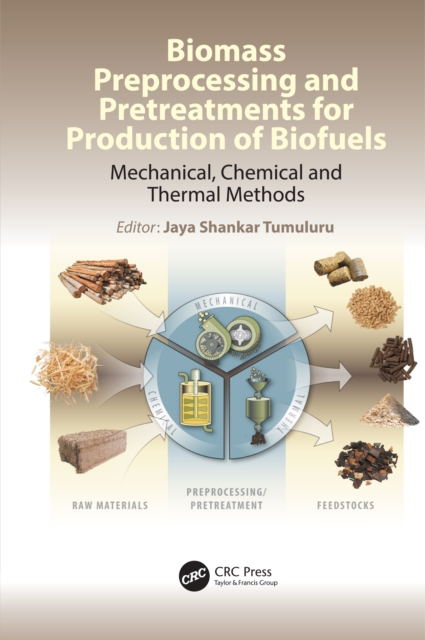
Engineering the physical, chemical, and energy properties of lignocellulosic biomass is important to produce high-quality consistent feedstocks with reduced variability for biofuels production.
The book will highlight major trends and developments in the field of microbial fuels, with contributions from a number of highly experienced researchers.
Advances in Postharvest Fruit and Vegetable Technology examines how changes in community attitudes and associated pressures on industry are demanding changes in the way technology is used to minimize postharvest loss and maintain product quality.
The aim of food processing is to produce food that is palatable and tastes good, extend its shelf-life, increase the variety, and maintain the nutritional and healthcare quality of food.
Nanomedicine for Inflammatory Diseases is a cutting-edge resource for clinicians and scientists alike, working at the intersection of development and clinical therapeutics.
Microbial Biotechnology: An Interdisciplinary Approach covers all aspects of microbial biotechnology, whilst bringing the field of functional foods and microbial bioremediation to the fore.
Sugarcane is the most important plant source for sugar and alcohol production and is cultivated in more than 80 countries in tropical and subtropical areas.
Algae presents a viable biofuel alternative because the production of algae for fuel, unlike other agro-based biofuels, does not compete with food production.
Global oilseeds industry is expected to expand in the future but would also constitute a platform for a variety of other products from processing waste such as protein meals and aromatic compounds.
The purpose of this book is to summarize key strategies and recent accomplishments in the area of developing cell/biomaterial constructs for regenerative medicine.
Many of our current agricultural crops are natural or agricultural hybrids (between two or more species), or polyploids (containing more than one genome or set of chromosomes).
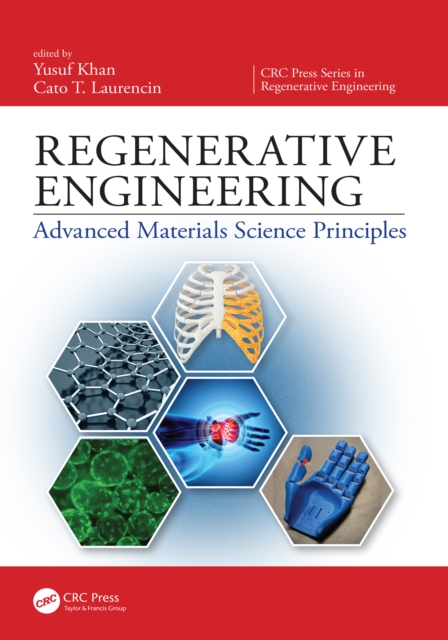
This book focuses on advances made in both materials science and scaffold development techniques, paying close attention to the latest and state-of-the-art research.
An Introduction to High-Pressure Science and Technology provides you with an understanding of the connections between the different areas involved in the multidisciplinary science of high pressure.
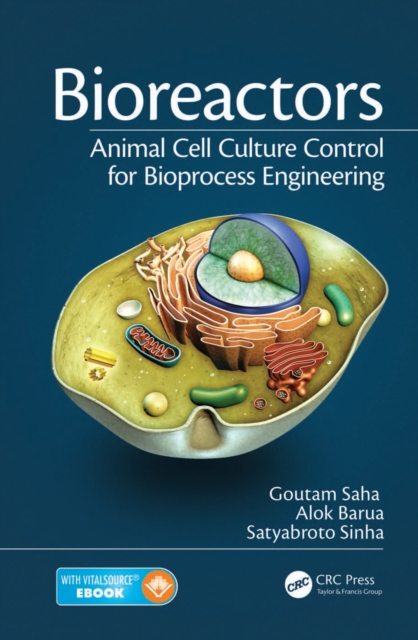
Bioreactors: Animal Cell Culture Control for Bioprocess Engineering presents the design, fabrication, and control of a new type of bioreactor meant especially for animal cell line culture.