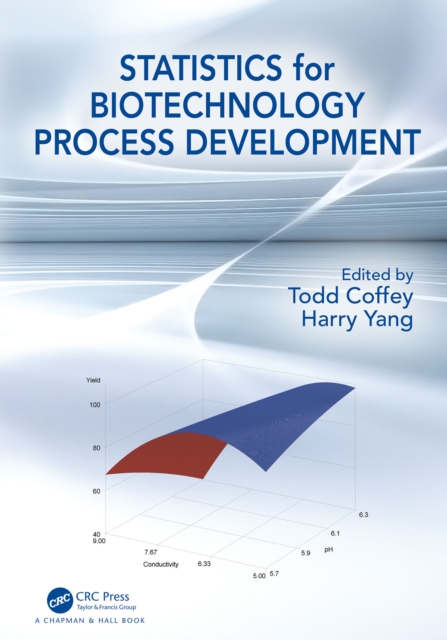
Written specifically for biotechnology scientists, engineers, and quality professionals, this book describes and demonstrates the proper application of statistical methods throughout Chemistry, Manufacturing, and Controls (CMC).
Recent advances in science have clarified the role of plant specialized metabolites (classically known as plant secondary metabolites), which cannot be considered only bioactive molecules used for human health but also pivotal factors for the global ecosystem.
"e;Functional carbohydrates"e; is the term used to describe those carbohydrates that play an important role in strengthening immunity, decreasing the level of blood-lipid, and regulating the intestinal flora of humans, beyond those simply used as the energy-supplying materials.
Seed inoculation is the practice of effectively introducing a high number of nitrogen-fixing bacteria (Rhizobium or Bradyrhizobium) on the surface of legume seeds prior to planting.
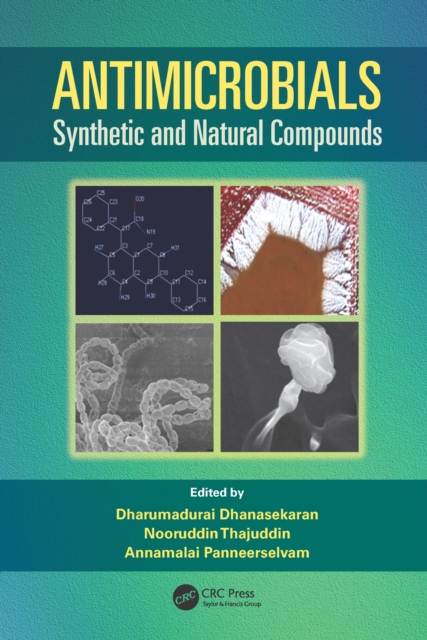
Antimicrobials: Synthetic and Natural Compounds summarizes the latest research regarding the possibilities of the most important natural antimicrobial compounds derived from various plant sources containing a wide variety of secondary metabolites.
Applied Molecular Biotechnology: The Next Generation of Genetic Engineering explains state-of-the-art advances in the rapidly developing area of molecular biotechnology, the technology of the new millennium.
Fibrous Proteins will give an overview over some of the most important fibrous proteins including amyloids, collagens, fibrin, flagella, intermediate filaments, microtubules, silks concerning structure and function and possible applications as biomaterials.
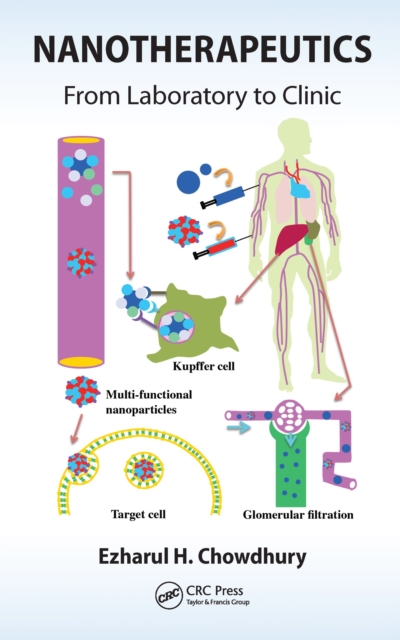
The emergence of nanotherapeutics is attributable to the integration of nanotechnology, recombinant DNA technology, and synthetic organic chemistry with medicine for treating critical human diseases in a more efficient and specific molecular approach than therapy with conventionally-designed and formulated drugs.
This book covers the latest research and advancements related to articular cartilage in biology, development, pathology, clinical applications and tissue engineering.
Examining energy, environment, and sustainability from the chemical engineering point of view, this book highlightsA critical issues faced by chemical engineers and biochemical engineers worldwide.
Overviews of biochemical, genetic, and molecular perspectives of plant-insect interactions with added emphasis on bioinformatic, genomic, and transcriptome analysis are comprehensively treated in this book.
The premise of Quality by Design (QbD) is that the quality of the pharmaceutical product should be based upon a thorough understanding of both the product and the manufacturing process.
Addresses a Global Challenge to Sustainable DevelopmentAdvances in Biodegradation and Bioremediation of Industrial Waste examines and compiles the latest information on the industrial waste biodegradation process and provides a comprehensive review.
This edited volume provides up-to-date information on recent advancements in efforts to enhance microbiological safety and quality in the field of food preservation.
This book explores the regenerative properties of fetal stem cells, from feto-maternal cell traffic through perinatal stem cells, with a discussion of key topics including stem cell banking, drug screening, in utero stem cell transplantation and ethical considerations.
This book covers the latest research work done in the area of interface mechanics of collagen and chitin-based biomaterials along with various techniques that can be used to understand mechanics of biological systems and materials.
This book compiles andexplores cutting-edge research in degenerative skeletal disorders, such asDuchenne muscular dystrophy and congenital myopathy, and new stem-cell basedtherapies and gene replacement therapy.
Handbook of Modern Biophysics brings current biophysics topics into focus, so that biology, medical, engineering, mathematics, and physical-science students or researchers can learn fun damental concepts and the application of new techniques in addressing biomedical challenges.
Nanomedicine is defined as the application of nanobiotechnology in clinical medicine, which is currently being used to research the pathomechanism of disease, refine molecular diagnostics, and aid in the discovery, development, and delivery of drugs.
The genome is more than a linear code as depicted by its DNA sequences as several interacting factors play a crucial role in shaping its organization and function.
In this book, authors who are experts in their fields describe current advances on commercial crops and key enabling technologies that will underpin future advances in biotechnology.
The purpose of this Brief is to provide a global view of the concept of biopreservation and its potential and existing applications in the different food sectors.
Genetically Engineered Plants as a Source of Vaccines Against Wide Spread Diseases: An Integrated View provides an integrated outlook of the disciplines involved in the development of plant-based vaccines as well as an updated compilation of the successful developments in the field.
A food allergen has the ability to first elicit an IgE response, and then, on subsequent exposures, a clinical response to the same or similar protein.
This text is a comprehensive look at the current knowledge on stem cell application for vision loss, showcasing different types of stem cells (adult, embryonic, iPSCs) for diseases of the front and the back of the eye.
This textbook describes the basic principles of induced organ regeneration in skin and peripheral nerves and extends the original successful paradigm to other organs.
Low water activity (aw) and dried foods such as dried dairy and meat products, grain-based and dried ready-to-eat cereal products, powdered infant formula, peanut and nut pastes, as well as flours and meals have increasingly been associated with product recalls and foodborne outbreaks due to contamination by pathogens such as Salmonella spp.
Use of Microbes for the Alleviation of Soil Stresses, Volume 2: Alleviation of Soil Stress by PGPR and Mycorrhizal Fungi describes the most important details and advances related to the alleviation of soil stresses by PGPR and mycorrhizal fungi.
This book exemplifies experience across the globe in banking of cord blood, mesenchymal, embryonic and induced pluripotent stem cells for clinical use from the United States, Canada, the European Union, Switzerland and Japan to Iran, India and Serbia.
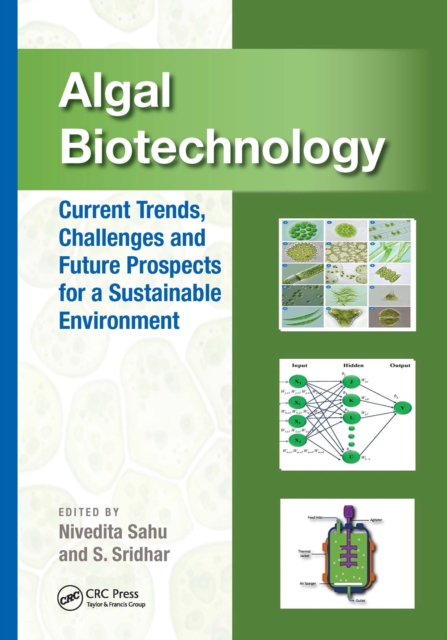
This book initiates with a general introduction to microalgae and algal biotechnology with subsequent discussions on all the significant aspects of applied biotechnology, bioremediation, nano applications, multidimensional usages of algae as a biofertilizer, and a source of bioactive compounds and phytochemicals.
This edited book is an in-depth compilation of recent tools and techniques, concepts and strategies used globally in plant molecular farming (PMF) for the cost-effective bulk production of recombinant proteins, secondary metabolites, and other biomolecules.
Todays synthetic biologists are in the early stages of engineering living cells to help treat diseases, sense toxic compounds in the environment, and produce valuable drugs.