This volume represents the proceedings of an international symposium on sample preparation, held at the University of Surrey, and jointly organised by the Chromatographic Society and the Robens Institute.
Improvement of man's genetic endowment by direct ac- tions aimed at striving for the positive propagation of those with a superior genetic profile (an element of which is commonly recognized as a high intelligence quotient) or-conversely-delimitation of those with negative genetic inheritance has always remained a pri- mary concern of the geneticist and the social engineer.
Designed to meet the needs of undergraduate students, Introduction to Biomechanics takes the fresh approach of combining the viewpoints of both a well-respected teacher and a successful student.
Man-made carcinogens, natural genotoxic agents in the environment, as well as ionizing and ultraviolet radiation can damage DNA and are a constant threat to genome integrity.
Dieses Lehrbuch dient als moderne Einführung in die vaskuläre Biomechanik und bietet den umfassenden Überblick über das gesamte Gefäßsystem, der für die Durchführung erfolgreicher vaskulärer biomechanischer Simulationen erforderlich ist.
The disability-adjusted life year (DALY) is a generic measure of health effect that can be used in cost-effectiveness analysis as an alternative to the quality-adjusted life year (QALY).
The book titled Biogenic Nanomaterial for Health and Environment covers the synthesis, characterization, and applications of nanomaterials synthesized using living organisms, like bacteria, algae, fungi, plants, and biomolecules derived from them.
In addition to the three main themes: chemical reactors, distillation columns, and batch processes this volume also addresses some of the new trends in dynamics and control methodology such as model based predictive control, new methods for identification of dynamic models, nonlinear control theory and the application of neural networks to identification and control.
Biotechnology and Nutrition documents the proceedings of the Third International Symposium Biotechnology and Nutrition jointly sponsored by the University of Maryland, the United States Department of Agriculture, and E.
Knowledge of the molecules which make up cells not only provides the basis upon which an understanding of cell function may be developed, but also provides the knowledge needed to manipulate and purify chemicals.
The Business of Biotechnology: From the Bench to the Street thoroughly examines the existing and future business challenges for biotechnology, providing a unique insight into the intricate web of critical factors with which biotechnology entrepreneurs must come to terms if they wish to be successful.
Advances in Biomedical Engineering, Volume 2, is a collection of papers that discusses the basic sciences, the applied sciences of engineering, the medical sciences, and the delivery of health services.
Modeling and Control of Biotechnical Processes covers the proceedings of the First International Federation of Automatic Control Workshop by the same title, held in Helsinki, Finland on August 17-19, 1982.
Modelling and Control of Biotechnological Processes contains the proceedings of the International Federation of Automatic Control's First Symposium on Modeling and Control of Biotechnological Processes held in Noordwijkerhout, The Netherlands, on December 11-13, 1985.
Modern Approaches to Animal Cell Technology is a collection of papers presented at the 1987 joint European Society for Animal Cell Technology-OHOLO conference held in Tiberias, Israel.
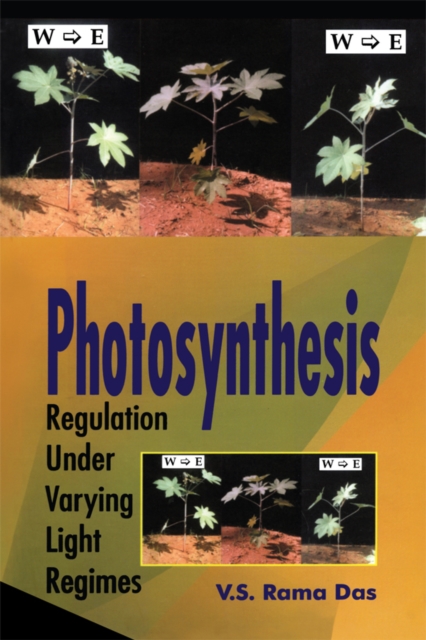
The aim of this monograph is to highlight various mechanisms followed by plants to overcome the high light stress and photoinhibition, and also the plant responses to low light levels.
The author offers an overview of pollen biology and biotechnology for students and researchers in areas such as reproductive biology, biotechnology, aeropalynology, plant breeding, horticulture, and forestry.
Gain a better understanding of the genetic and physiological bases of stress response and stress tolerance as part of crop improvement programsAbiotic Stresses: Plant Resistance Through Breeding and Molecular Approaches explores innovative methods for breeding new varieties of major crops with resistance to environmental stresses that l
Biochip technology has experienced explosive growth in recent years and Biochip technology describes the basic manufacturing and fabrication processes and the current range of applications of these chips.
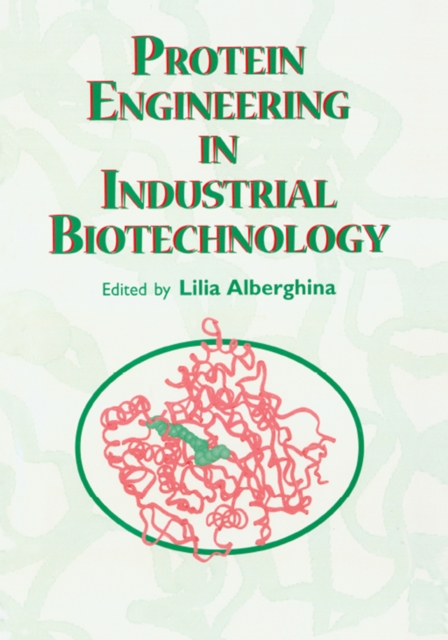
Protein engineering has proved to be one of the more fruitful technological approaches in biotechnology, being both very powerful and able to generate valuable intellectual property.
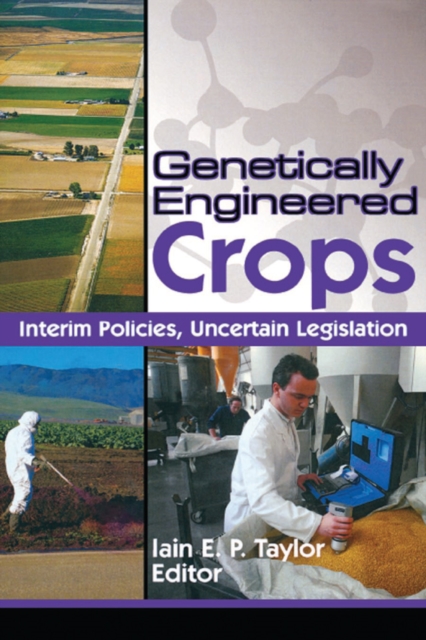
Take a closer look at the questions surrounding the long-term impact of GE cropsGenetically Engineered Crops examines current controversies surrounding the potential health, environmental, and social impacts of plants produced using molecular biology techniques.