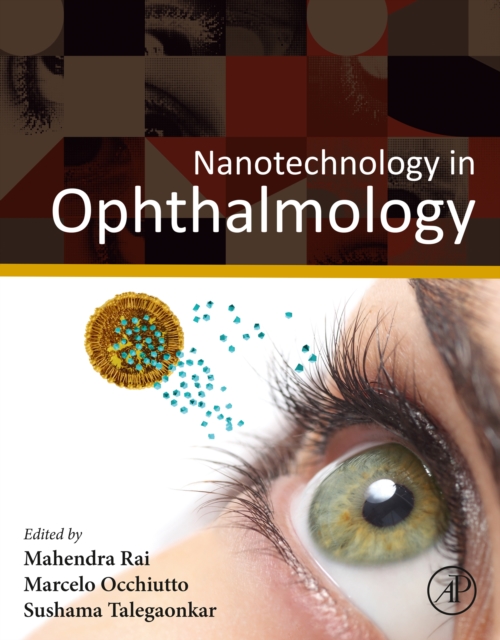
**Selected for 2026 Doody's Core Titles in Ophthalmology**Nanotechnology in Ophthalmology is a comprehensive and up-to-date reference on the role and applications of nanotechnology in ophthalmology, from drug delivery and treatment of ocular diseases to toxicity issues.
This volume explores the quickly evolving field of Purinergic signaling, and examines how receptors for ATP and other nucleotides, and receptors for adenosine, act in neuronal transmission, control of synaptic activity, proliferation, differentiation and cell death regulation in the CNS.
This book integrates the current basic and clinical knowledge in the area of biophysical stimulation of osteoblast for in vitro and in vivo live bone generation.
Advanced Oxidation Processes for Tannery Effluent provides a detailed overview of currently applied and tested sewage treatment technologies and he integration of advanced processes to remove trace organic contaminants and micro-organisms.
For sustainable environmental management as a whole, the roles of phytoremediation and biofortification as two sides of the same coin must be highlighted.
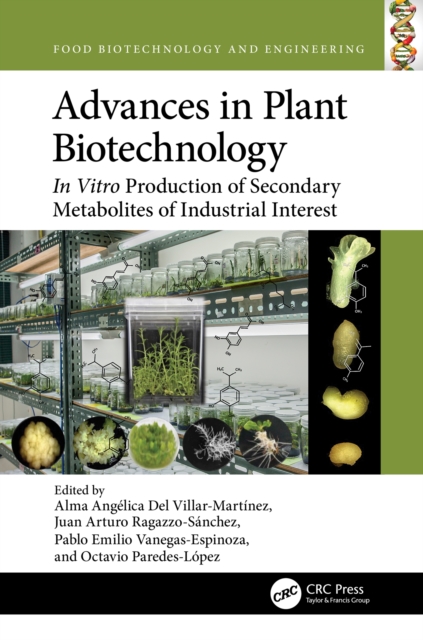
The goal of Advances in Plant Biotechnology is to integrate the most recent knowledge on tissue culture, secondary metabolites production under controlled conditions, scaling up to produce them at bioreactor level, and their industrial applications.
The goal of Advances in Plant Biotechnology is to integrate the most recent knowledge on tissue culture, secondary metabolites production under controlled conditions, scaling up to produce them at bioreactor level, and their industrial applications.
This book - a collection of reviews and research articles by the top academics in the field - provides a glimpse of the cutting-edge technology and research being carried out and shows how researchers are utilizing this knowledge to develop new areas of study and novel applications.
This book - a collection of reviews and research articles by the top academics in the field - provides a glimpse of the cutting-edge technology and research being carried out and shows how researchers are utilizing this knowledge to develop new areas of study and novel applications.
**Selected for 2026 Doody's Core Titles in Ophthalmology**Nanotechnology in Ophthalmology is a comprehensive and up-to-date reference on the role and applications of nanotechnology in ophthalmology, from drug delivery and treatment of ocular diseases to toxicity issues.
This volume explores the quickly evolving field of Purinergic signaling, and examines how receptors for ATP and other nucleotides, and receptors for adenosine, act in neuronal transmission, control of synaptic activity, proliferation, differentiation and cell death regulation in the CNS.
This book integrates the current basic and clinical knowledge in the area of biophysical stimulation of osteoblast for in vitro and in vivo live bone generation.
Bringing the concept of contamination into dialogue with affect theory and bioart, Agnieszka Wolodzko urges us to rethink our relationship with ourselves, each other and other organisms.
Bringing the concept of contamination into dialogue with affect theory and bioart, Agnieszka Wolodzko urges us to rethink our relationship with ourselves, each other and other organisms.
Four-Membered Heterocycle Synthesis offers a comprehensive approach to these unstable organic compounds, providing a systematic introduction to the synthesis and reactions of all common four-membered heterocycles and illustrating different methods to prepare specific four-membered heterocycles.
Four-Membered Heterocycle Synthesis offers a comprehensive approach to these unstable organic compounds, providing a systematic introduction to the synthesis and reactions of all common four-membered heterocycles and illustrating different methods to prepare specific four-membered heterocycles.
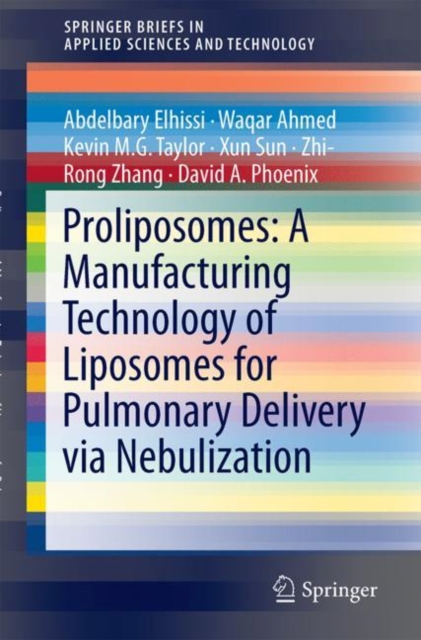
Proliposome technologies are stable phospholipid formulations that provide an approach to generating liposomes upon addition of aqueous phase prior to administration.
Proliposome technologies are stable phospholipid formulations that provide an approach to generating liposomes upon addition of aqueous phase prior to administration.
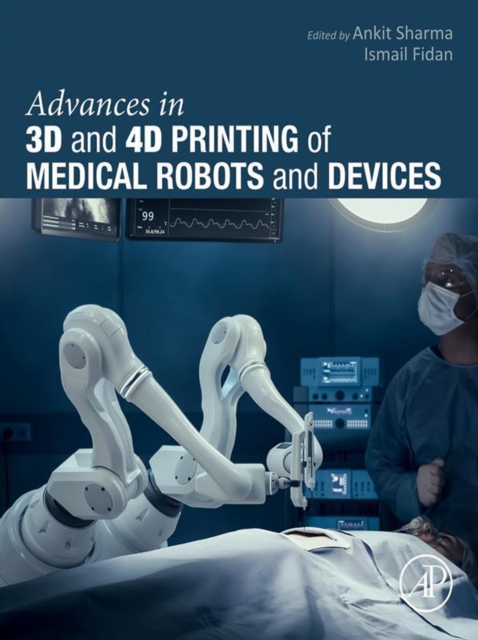
Advances in 3D and 4D Printing of Medical Robots and Devices presents the most recent innovative breakthroughs in smart manufacturing and biomedical engineering to help enhance knowledge and expertise in 3D/4D printing technologies and advancements in biomedical applications through robotics and medical devices.
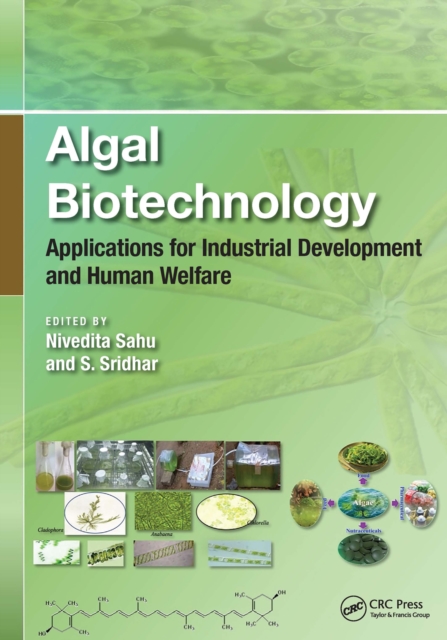
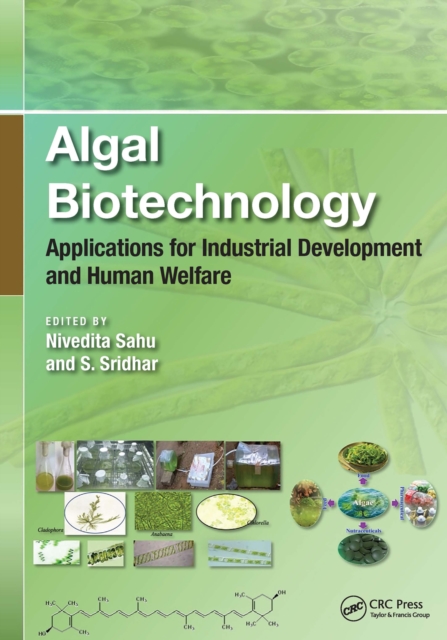
This book deals with an interdisciplinary approach towards present-day practical challenges and recent developments in algal biotechnology and covers a broad spectrum of issues ranging from diverse algae and its applications in agriculture, human food, animal feed, wastewater treatment, and industry to algal metabolites.
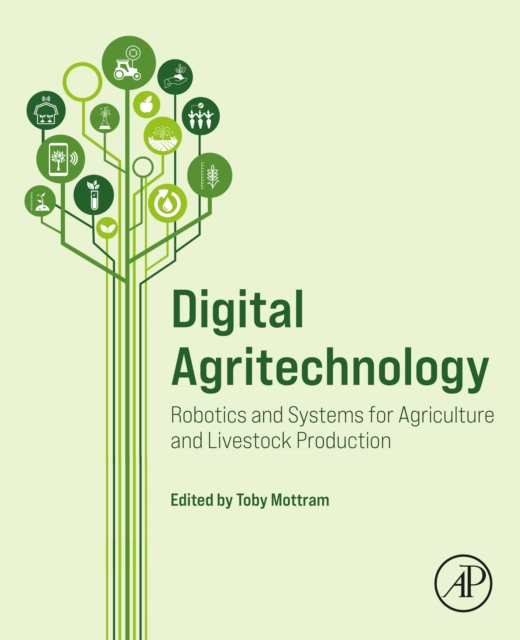
Digital Agritechnology: Robotics and Systems for Agriculture and Livestock Production describes how systems acquire and use data in livestock production and agricultural systems, and how researchers can extract and aggregate efficiencies.
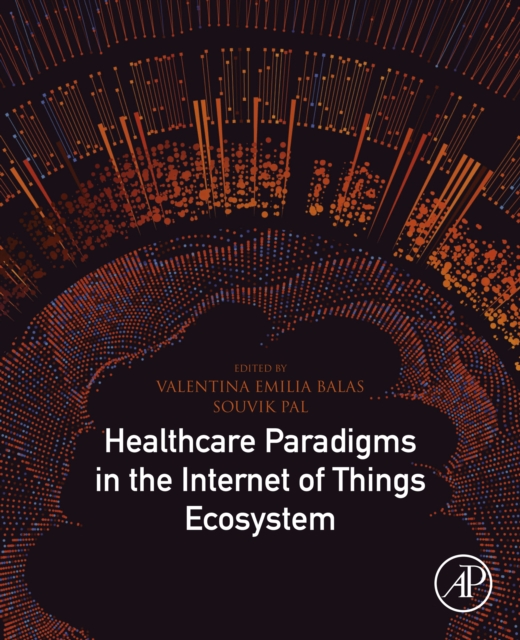
Health Care Paradigms in the Internet of Things Ecosystem brings all IoT-enabled health care related technologies into a single platform so that undergraduate and postgraduate students, researchers, academicians and industry leaders can easily understand IoT-based healthcare systems.
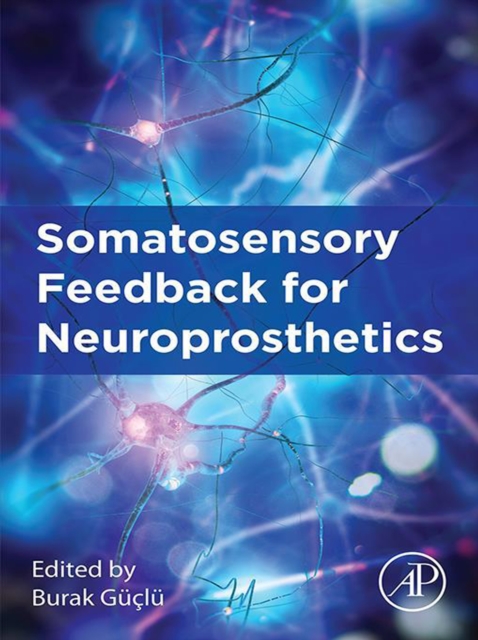
Although somatosensory system works in tandem with the motor system in biology, the majority of the prosthetics research and commercial efforts had focused on accommodating movement deficits.
This first book on this fascinating topic is edited by one of today's most famous and internationally respected organic chemists, renowned for his pioneering synthesis of the cyclopropenyl cation.
This book deals with an interdisciplinary approach towards present-day practical challenges and recent developments in algal biotechnology and covers a broad spectrum of issues ranging from diverse algae and its applications in agriculture, human food, animal feed, wastewater treatment, and industry to algal metabolites.
Whole-cell biocatalysis is a promising and emerging field of biological science that is mostly based on advancements in biosystems engineering for the production of useful products such as chemicals, fuels, and pharmaceuticals.