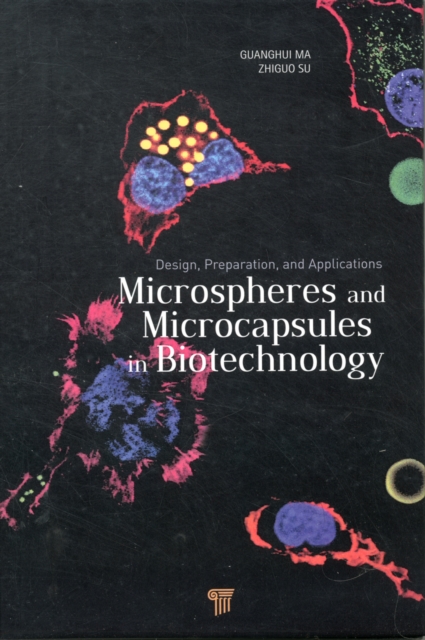
Microspheres and microcapsules have very broad applications in various fields, especially in those of biotechnology and biopharmaceuticals, as targeting drug-delivery carriers, separation media for protein, peptide, DNA, and so forth.
This book presents the results of comprehensive research of an inadequately studied class of secondary plant metabolites: phytoecdysteroids, which are structural analogs of the hormones of molting and metamorphosis of arthropods.
This book deliberates on the concept, strategies, tools, and techniques of allele mining in oilseed crops and its application potential in genome elucidation and improvement, including studying allele evolution, discovery of superior alleles, discerning new haplotypes, assessment of intra- and interspecific similarity, and studies of gene expression and gene prediction.
This book is a valuable reference that discusses green technologies, like enzyme technologies, to meet the ever-growing demand of nutraceuticals and functional foods.
This book is a valuable reference that discusses green technologies, like enzyme technologies, to meet the ever-growing demand of nutraceuticals and functional foods.
Attempts to apply nanotechnology in agriculture began with the growing realization that conventional farming technologies would neither be able to increase productivity any further nor restore ecosystems damaged by existing technologies back to their pristine state; in particular because the long-term effects of farming with “miracle seeds” in conjunction with irrigation, fertilizers, and pesticides, have been questioned both at the scientific and policy levels and must be gradually phased out.
This work investigated two different approaches to optimize biological sulphate reduction in order to develop a process control strategy to optimize the input of an electron donor and to study how to increase the feasibility of using a cheap carbon source.
This work investigated two different approaches to optimize biological sulphate reduction in order to develop a process control strategy to optimize the input of an electron donor and to study how to increase the feasibility of using a cheap carbon source.
Lactic acid bacteria (LAB) are a diverse group of bacteria that comprise low GC content Gram-positive cocci or rods that produces lactic acid as the major end product of the fermentation process.
There has been a surge in critical situations such as malnutrition, agricultural productivity, viral diseases, noncommunicable diseases, antibiotic resistance, and depletion of natural resourcest hreatening human welfare during the last decade.
This edited volume covers all aspects of microbes in consortia; their roles in the ecological balance of soil by mineralize soil nutrients, plant growth promotion, protecting plants from disease by acting as biocontrol agents etc.
This Volume presents key microscopy and imaging methods for revealing the structure and ultrastructure of environmental and experimental samples, of microbial communities and cultures, and of individual cells.
While focusing on various interactions between trait genes/QTL and dynamic expressions of conditional QTL genes, this book also discusses aspects of molecular marker-assisted breeding, and applications of molecular markers associated with yield, quality, physiology and disease resistance in wheat.
Green Sustainable Process for Chemical and Environmental Engineering and Science: Methods for Producing Smart Packaging covers the latest advances in the development and production of smart packaging.
The aim of this volume is to provide a comprehensive overview of optical tweezers setups, both in practical and theoretical terms, to help biophysicists, biochemists, and cell biologists to build and calibrate their own instruments and to perform force measurements on mechanoenzymes both in isolation in vitro and in living cells.
Originally published in 1990, this volume addresses issues surrounding global ecological changes and sustainability of present patterns of urbanisation and industrialisation.
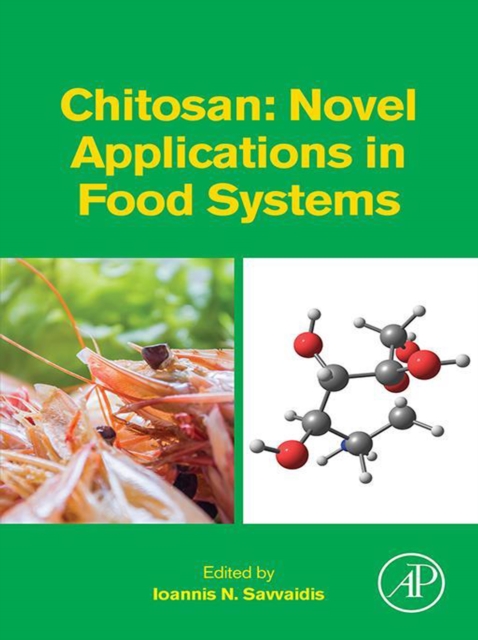
Chitosan: Novel Applications in Food Systems is a practical resource for those looking to understand new applications of chitosan in the food industry.
Distributed Computing to Blockchain: Architecture, Technology, and Applications provides researchers, computer scientists, and data scientists with a comprehensive and applied reference covering the evolution of distributed systems computing into blockchain and associated systems.
This volume provides a unique forum to review cell microencapsulation in a broad sense by exploring various cell types that have been encapsulated for different purposes, different approaches and devices used for microencapsulation, the biomaterials used in cell microencapsulation, the challenges to the technology, and the current status of its application in different clinical situations.
Bioremediation and Bioeconomy provides a common platform for scientists from various backgrounds to find sustainable solutions to environmental issues, including the ever-growing lack of water resources which are under immense pressure due to land degradation, pollution, population explosion, urbanization, and global economic development.
Bio-Based Polymers and Composites is the first book systematically describing the green engineering, chemistry and manufacture of biobased polymers and composites derived from plants.
This highly illustrated textbook provides an essential overview on RNA architecture and function, it offers insights into the RNA basics and also explains novel RNA technologies, such as CRISPR-Cas and their applications.
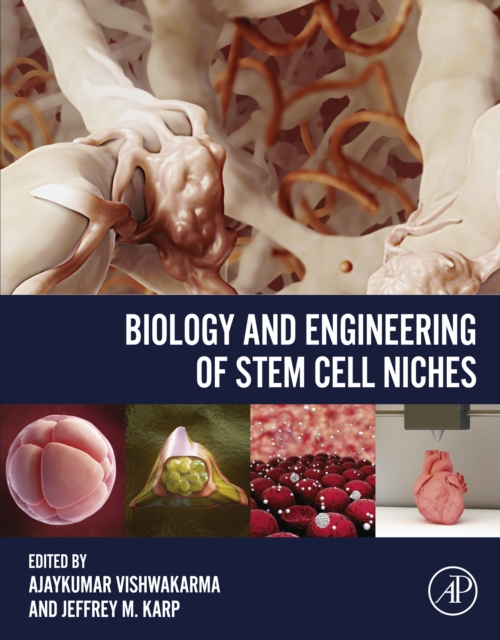
Biology and Engineering of Stem Cell Niches covers a wide spectrum of research and current knowledge on embryonic and adult stem cell niches, focusing on the understanding of stem cell niche molecules and signaling mechanisms, including cell-cell/cell-matrix interactions.
This book highlights the advances in essential oil research, from the plant physiology perspective to large-scale production, including bioanalytical methods and industrial applications.
This text provides the reader with tools necessary to study biological and bio-inspired flows, all the while developing an appreciation for their evolutionary and engineering constraints.