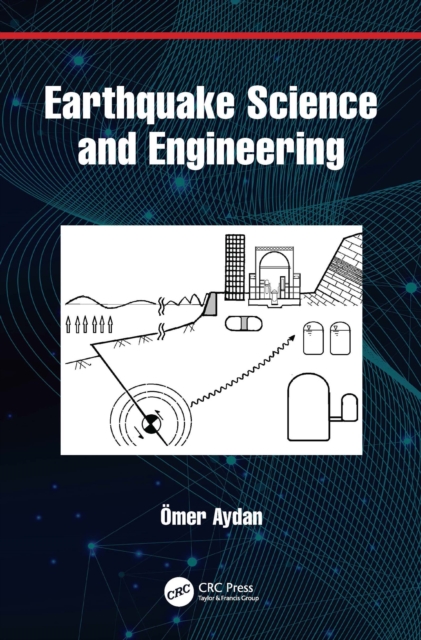
Earthquakes form one of the categories of natural disasters that sometimes result in huge loss of human life as well as destruction of (infra)structures, as experienced during recent great earthquakes.
This book examines and explains material from the 9th edition of the AASHTO LRFD Bridge Design Specifications, including deck and parapet design, load calculations, limit states and load combinations, concrete and steel I-girder design, bearing design, and more.
This book examines and explains material from the 9th edition of the AASHTO LRFD Bridge Design Specifications, including deck and parapet design, load calculations, limit states and load combinations, concrete and steel I-girder design, bearing design, and more.
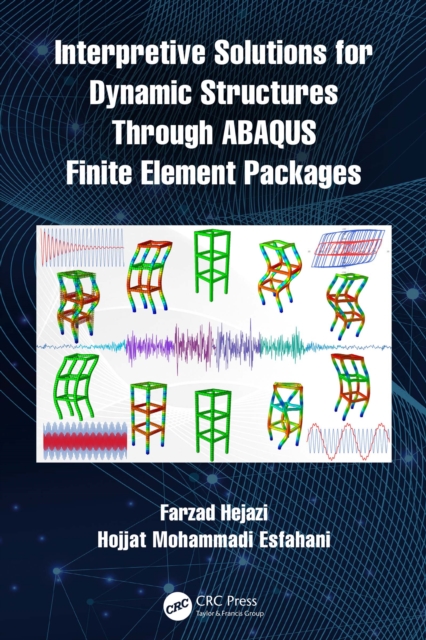
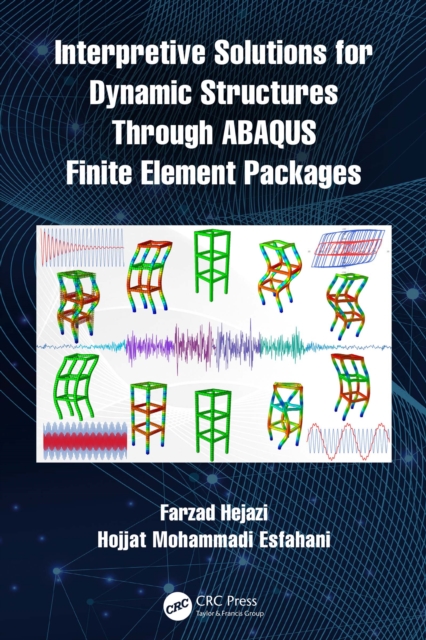
ABAQUS software is a general-purpose finite element simulation package mainly used for numerically solving a wide variety of design engineering problems; however, its application to simulate the dynamic structures within the civil engineering domain is highly complicated.
ABAQUS software is a general-purpose finite element simulation package mainly used for numerically solving a wide variety of design engineering problems; however, its application to simulate the dynamic structures within the civil engineering domain is highly complicated.
The endurance time method (ETM) is a seismic analysis procedure in which intensifying dynamic excitations are used as the loading function, and it provides many unique benefits in the design of structures.
The endurance time method (ETM) is a seismic analysis procedure in which intensifying dynamic excitations are used as the loading function, and it provides many unique benefits in the design of structures.
These proceedings present high-level research in structural engineering, concrete mechanics and quasi-brittle materials, including the prime concern of durability requirements and earthquake resistance of structures.
Containing papers from the Special Technical Session on Earthquake Geotechnical Engineering, this volume includes coverage of: zonation maps; liquefaction; side effects; ground motions; slope instability; seismic behaviour of slopes; dikes and dams; and warning systems.
Containing papers from the Special Technical Session on Earthquake Geotechnical Engineering, this volume includes coverage of: zonation maps; liquefaction; side effects; ground motions; slope instability; seismic behaviour of slopes; dikes and dams; and warning systems.
These proceedings present high-level research in structural engineering, concrete mechanics and quasi-brittle materials, including the prime concern of durability requirements and earthquake resistance of structures.
The word conservation, when used in the context of the preservation of built heritage, implies an intrinsically complex concept that evolved over time, since it has been influenced by the perception of history throughout time.
The word conservation, when used in the context of the preservation of built heritage, implies an intrinsically complex concept that evolved over time, since it has been influenced by the perception of history throughout time.
Design of Wind and Earthquake Resistant Reinforced Concrete Buildings explains wind and seismic design issues of RCC buildings in brief and provides design examples based on recommendations of latest IS codes essential for industrial design.
Design of Wind and Earthquake Resistant Reinforced Concrete Buildings explains wind and seismic design issues of RCC buildings in brief and provides design examples based on recommendations of latest IS codes essential for industrial design.
Bridge design and construction technologies have experienced remarkable developments in recent decades, and numerous long-span bridges have been built or are under construction all over the world.
Bridge design and construction technologies have experienced remarkable developments in recent decades, and numerous long-span bridges have been built or are under construction all over the world.
Problems in nonlinear structural dynamics and critical excitation with elastic-plastic structures are typically addressed using time-history response analysis, which requires multiple repetitions and advanced computing.
Problems in nonlinear structural dynamics and critical excitation with elastic-plastic structures are typically addressed using time-history response analysis, which requires multiple repetitions and advanced computing.
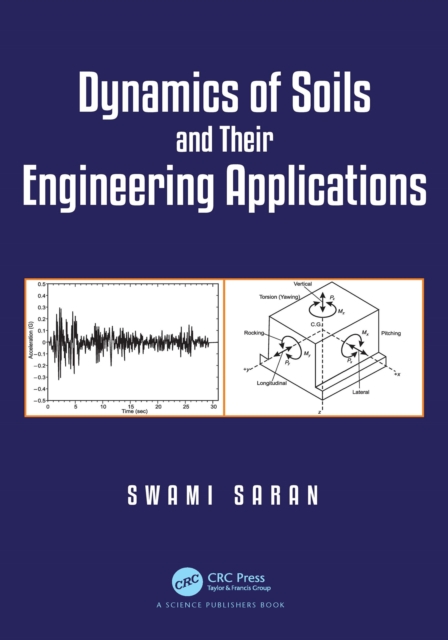
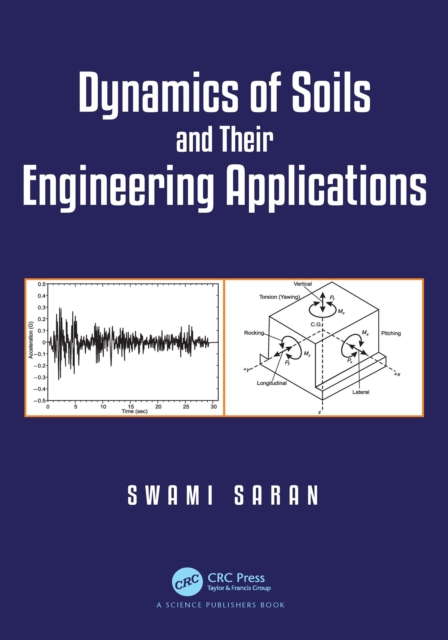
The book offers systematic dynamic analysis of soils and their engineering applications, including machine foundations, and aims to develop a clear understanding of the subject.
The book offers systematic dynamic analysis of soils and their engineering applications, including machine foundations, and aims to develop a clear understanding of the subject.
The papers in this volume deal with the demonstration of the possibilities offered by computational technology as to finding better solutions to problems in different fields of structural dynamics, with a special emphasis on earthquake structural dynamics.
The contributions to this volume examine: geotechnical hazard acknowledging the deversity of local ground conditions and environmental factors which play a decisive role in designing engineering structures in Danubian countries.
The papers in this volume deal with the demonstration of the possibilities offered by computational technology as to finding better solutions to problems in different fields of structural dynamics, with a special emphasis on earthquake structural dynamics.
The contributions to this volume examine: geotechnical hazard acknowledging the deversity of local ground conditions and environmental factors which play a decisive role in designing engineering structures in Danubian countries.
Seismic Performance of Asymmetric Building Structures presents detailed investigations on the effective assessment of structural seismic response under excessive torsional vibrations, demonstrating behavioural aspects from local response perspective to global seismic demands.
Seismic Performance of Asymmetric Building Structures presents detailed investigations on the effective assessment of structural seismic response under excessive torsional vibrations, demonstrating behavioural aspects from local response perspective to global seismic demands.
Developed as a resource for practicing engineers, while simultaneously serving as a text in a formal classroom setting, Wind and Earthquake Resistant Buildings provides a fundmental understanding of the behavior of steel, concrete, and composite building structures.
While numerous books have been written on earthquakes, earthquake resistance design, and seismic analysis and design of structures, none have been tailored for advanced students and practitioners, and those who would like to have most of the important aspects of seismic analysis in one place.
Earthquake Resistant Design and Risk Reduction, 2nd edition is based upon global research and development work over the last 50 years or more, and follows the author s series of three books Earthquake Resistant Design, 1st and 2nd editions (1977 and 1987), and Earthquake Risk Reduction (2003).
Soft computing methods such as neural networks and genetic algorithms draw on the problem solving strategies of the natural world which differ fundamentally from the mathematically-based computing methods normally used in engineering.
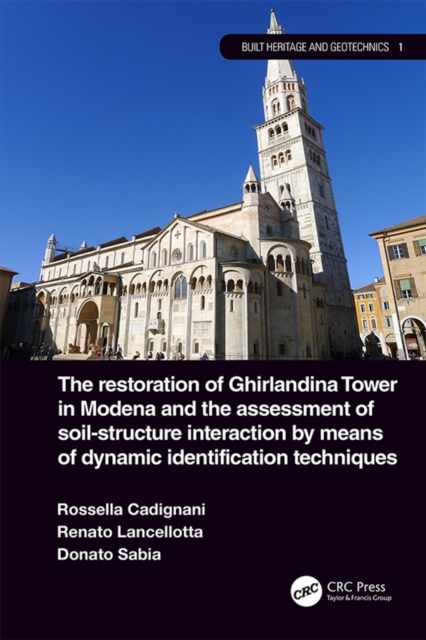
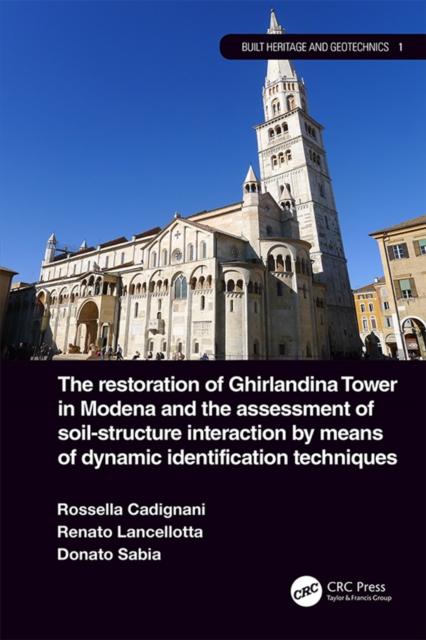
This book is the first of a series of volumes on Built Heritage and Geotechnics, intended to reach a wide audience: professionals and academics in the fields of civil engineering, architecture, restoration and cultural heritage management, and even the wider public.
This book is the first of a series of volumes on Built Heritage and Geotechnics, intended to reach a wide audience: professionals and academics in the fields of civil engineering, architecture, restoration and cultural heritage management, and even the wider public.
The latest methods for designing seismically sound structuresFully updated for the 2012 International Building Code, Geotechnical Earthquake Engineering Handbook, Second Edition discusses basic earthquake principles, common earthquake effects, and typical structural damage caused by seismic shaking.
Since the 1980s in Europe high-speed rail has emerged rapidly as a means of transportation, and in the upcoming years many more tunnel, bridge and other infrastructure projects will be developed across the continent.
Communication of risks within a transparent and accountable framework is essential in view of increasing mobility and the complexity of the modern society and the field of geotechnical engineering does not form an exception.
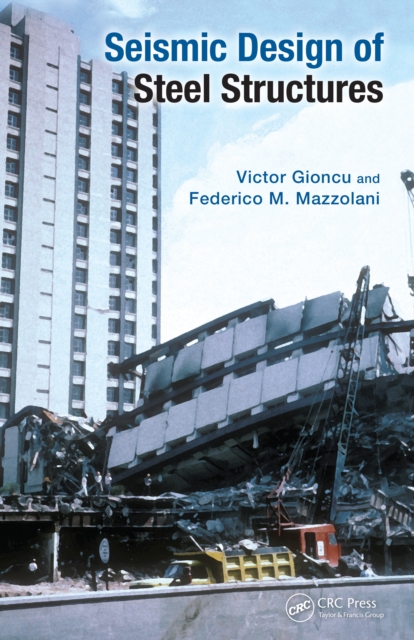
Providing real world applications for different structural types and seismic characteristics, Seismic Design of Steel Structures combines knowledge of seismic behavior of steel structures with the principles of earthquake engineering.
Soil-Foundation-Structure Interaction contains selected papers presented at the International Workshop on Soil-Foundation-Structure Interaction held in Auckland, New Zealand from 26-27 November 2009.
COST is an intergovernmental framework for European Cooperation in Science and Technology, allowing the coordination of nationally-funded research on a European level.
In recent years the theory and technology of modelling and computation in engineering has expanded rapidly, and has been widely applied in various kinds of engineering projects.