One of the plausible perceptions about safe and generally optimal geotechnical structure, leads to the conclusion that its success is supported by four columns.
The provision of safe drinking water is one of the primary responsibilities of all governments, which address and share this responsibility through various levels of administration, ranging from the municipal to federal level, and further sharing of such responsibilities with public or private water utility companies.
As urban areas keep growing, water infrastructure ages, and the requirements on environmental protection become more rigorous, there is a continual need for upgrading water pollution control facilities and restoring degraded urban waters.
From a low road bridge crossing the Fosse Way near Trewsbury Mead to the towering Queen Elizabeth Bridge linking Kent to Essex, the River Thames is crossed by over 200 bridges, some simple wooden or stonework structures, others magnificent architectural constructions.
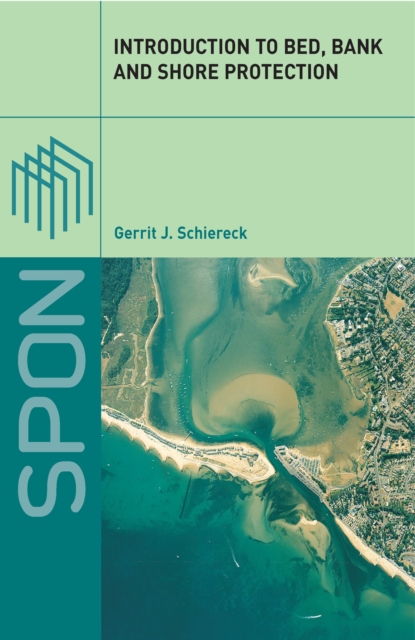
Introduction to Bed, Bank and Shore Protection provides students and professional engineers with the understanding and guidance to prevent the erosion of movable beds, banks and shorelines.
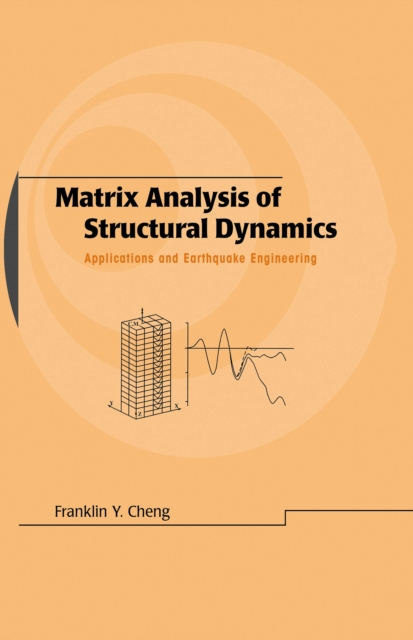
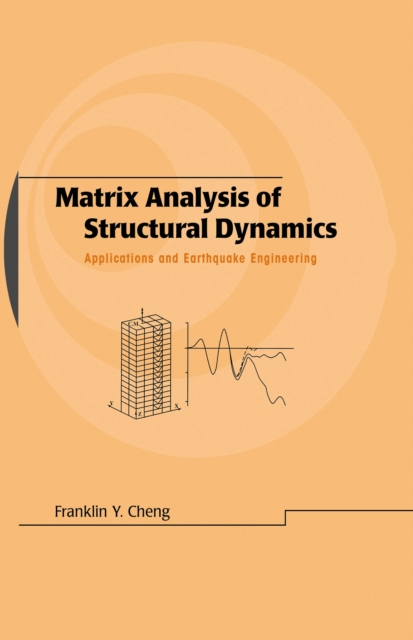
Today's biggest structural engineering challenge is to design better structures, and a key issue is the need to take an integrated approach which balances control of costs with the requirement for handling earthquakes and other dynamic forces.
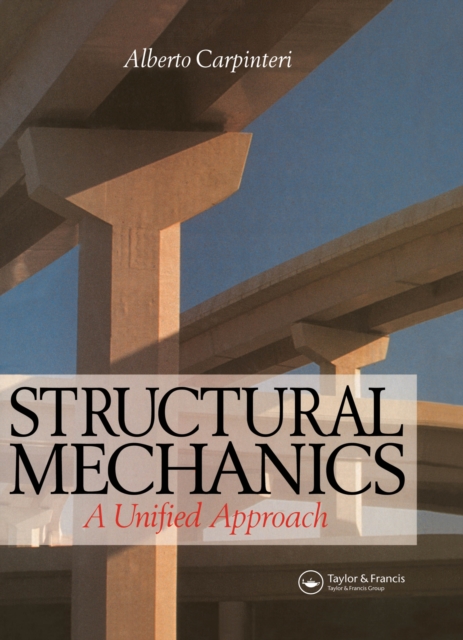
This book presents a complete and unified treatment of the fundamental themes of structural mechanics, ranging from the traditional to the most advanced topics, covering mechanics of linear elastic solids, theory of beam systems, and phenomena of structural failure.
This highly successful textbook has been comprehensively revised for two main reasons: to bring the book up-to-date and make it compatible with BS8110 1985; and to take into account the increasing use made of microcomputers in civil engineering.
This new edition of John Illingworth's popular book provides a thorough introduction to the selection of construction methods, their planning and organization on site.
Modelling forms an implicit part of all engineering design but many engineers engage in modelling without consciously considering the nature, validity and consequences of the supporting assumptions.
Ideal for undergraduates of geotechnical engineering for civil engineers, this established textbook sets out the basic theories of soil mechanics in a clear and straightforward way; combining both classical and critical state theories and giving students a good grounding in the subject which will last right through into a career as a geotechnical engineer.
The latest edition of this well-known book makes available to structural design engineers a wealth of practical advice on effective design of concrete structures.
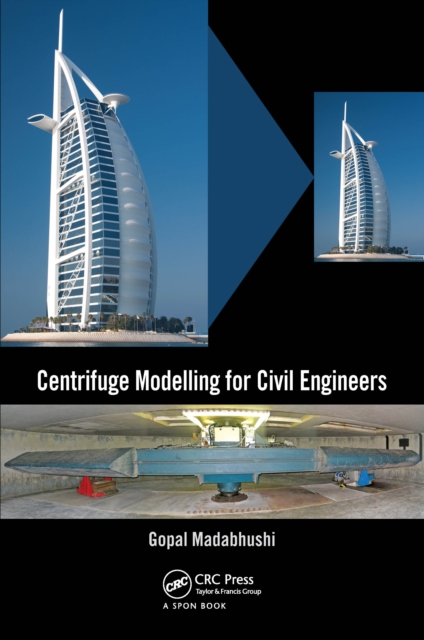
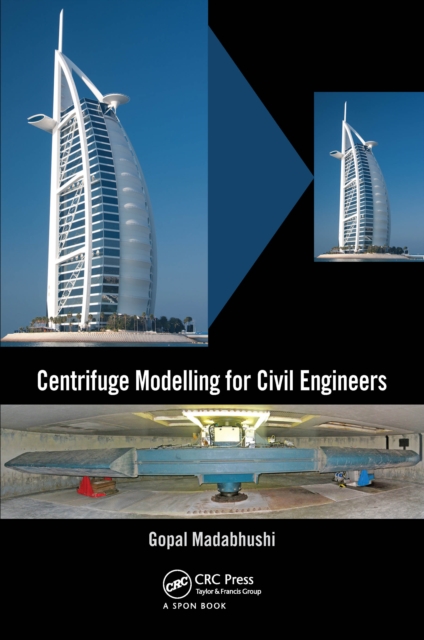
Solve Complex Ground and Foundation ProblemsPresenting more than 25 years of teaching and working experience in a wide variety of centrifuge testing, the author of Centrifuge Modelling for Civil Engineers fills a need for information about this field.
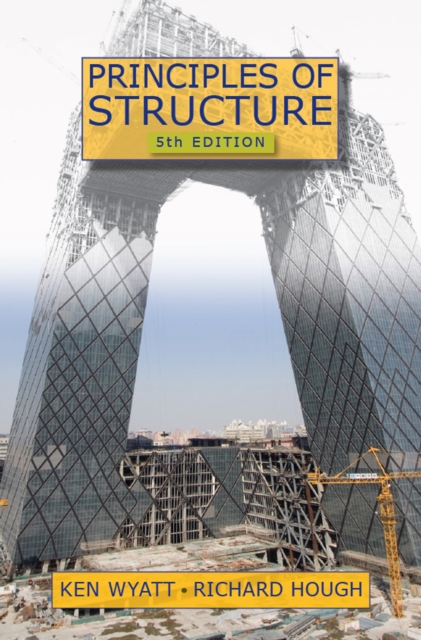
Since its first publication in 1974, Principles of Structure has established itself at the forefront of introductory texts for students of architecture, building and project management seeking a basic understanding of the behavior and design of building structures.
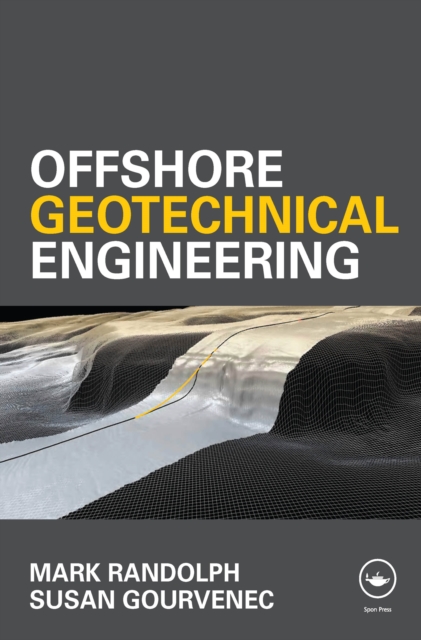
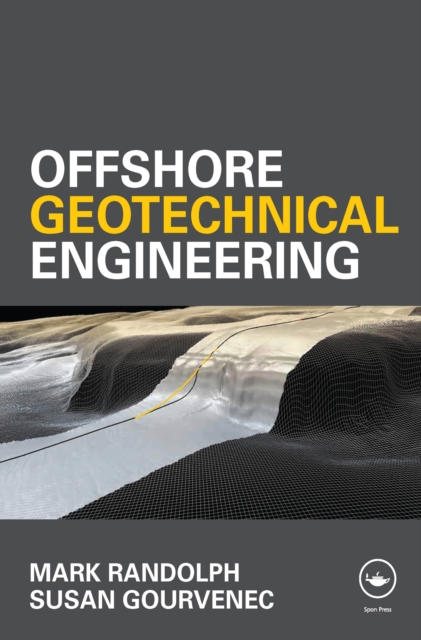
Design practice in offshore geotechnical engineering has grown out of onshore practice, but the two application areas have tended to diverge over the last thirty years, driven partly by the scale of the foundation and anchoring elements used offshore, and partly by fundamental differences in construction and installation techniques.
Solve Complex Ground and Foundation ProblemsPresenting more than 25 years of teaching and working experience in a wide variety of centrifuge testing, the author of Centrifuge Modelling for Civil Engineers fills a need for information about this field.
Design practice in offshore geotechnical engineering has grown out of onshore practice, but the two application areas have tended to diverge over the last thirty years, driven partly by the scale of the foundation and anchoring elements used offshore, and partly by fundamental differences in construction and installation techniques.
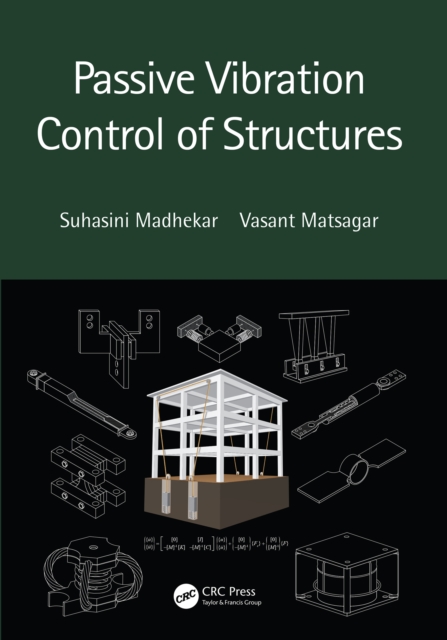
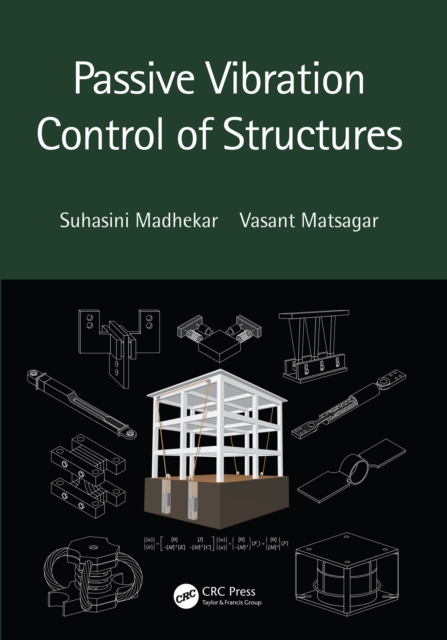
Research in vibration response control deals not only with prevention of catastrophic failures of structures during natural or accidental/manmade hazards but also ensures the comfort of occupants through serviceability.
Research in vibration response control deals not only with prevention of catastrophic failures of structures during natural or accidental/manmade hazards but also ensures the comfort of occupants through serviceability.
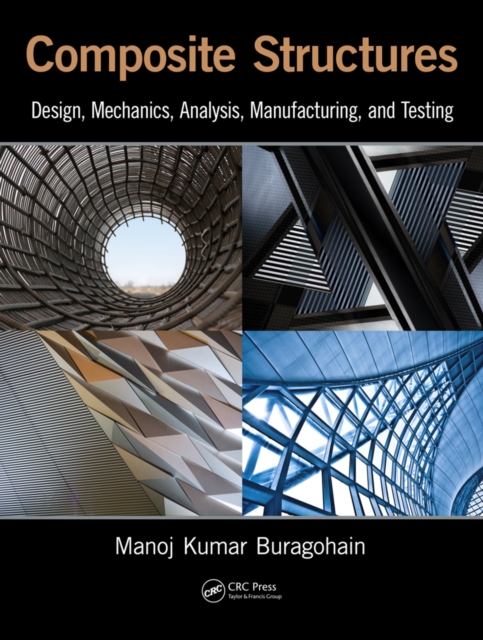
The primary objective of this book is to bridge this gap by presenting the concepts in composites in an integrated and balanced manner and expose the reader to the total gamut of activities involved in composite product development.
The primary objective of this book is to bridge this gap by presenting the concepts in composites in an integrated and balanced manner and expose the reader to the total gamut of activities involved in composite product development.
For 2,000 years the most durable spanning structures have been built of masonry, and the surviving bridges of the Roman Empire have challenged master masons, architects and engineers to emulate and surpass them.
For 2,000 years the most durable spanning structures have been built of masonry, and the surviving bridges of the Roman Empire have challenged master masons, architects and engineers to emulate and surpass them.
Between 1750 and 1850 the British landscape was transformed by a transport revolution which involved engineering works on a scale not seen in Europe since Roman times.
Between 1750 and 1850 the British landscape was transformed by a transport revolution which involved engineering works on a scale not seen in Europe since Roman times.
Applied Mechanics and Civil Engineering VI includes the contributions to the 6th International Conference on Applied Mechanics and Civil Engineering (AMCE 2016, Hong kong, China, 30-31 December 2016), and showcases the challenging developments in the areas of applied mechanics, civil engineering and associated engineering practice.
Applied Mechanics and Civil Engineering VI includes the contributions to the 6th International Conference on Applied Mechanics and Civil Engineering (AMCE 2016, Hong kong, China, 30-31 December 2016), and showcases the challenging developments in the areas of applied mechanics, civil engineering and associated engineering practice.
Features papers directed to fire protection in various environments other than building structures including fuel transporting vehicles, spacecraft, a sports arena, an offshore oil rig and propane fueling bus facilities.
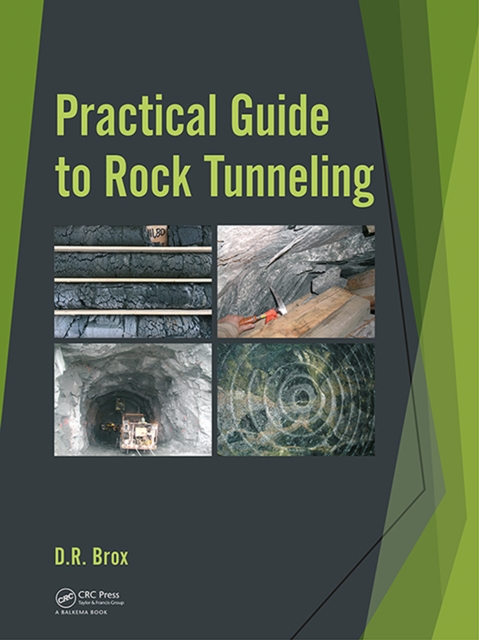
This Practical Guide to Rock Tunneling fills an important void in the literature for a practical guide to the design and construction of tunnels in rock.
This Practical Guide to Rock Tunneling fills an important void in the literature for a practical guide to the design and construction of tunnels in rock.
The expansion of unconventional petroleum resources in the recent decade and the rapid development of computational technology have provided the opportunity to develop and apply 3D numerical modeling technology to simulate the hydraulic fracturing of shale and tight sand formations.
The expansion of unconventional petroleum resources in the recent decade and the rapid development of computational technology have provided the opportunity to develop and apply 3D numerical modeling technology to simulate the hydraulic fracturing of shale and tight sand formations.