Land is important to all aspects of human life and has a key role in the economic well-being of society therefore, land tenure, land ownership, and real property law is a critical part of any developed nation.
A smart civil structure integrates smart materials, sensors, actuators, signal processors, communication networks, power sources, diagonal strategies, control strategies, repair strategies, and life-cycle management strategies.
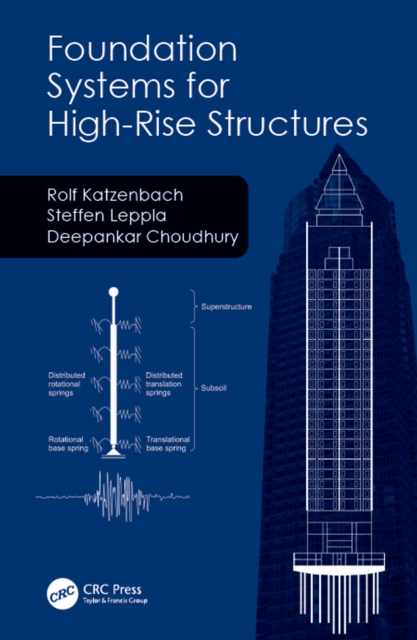
The book deals with the geotechnical analysis and design of foundation systems for high-rise buildings and other complex structures with a distinctive soil-structure interaction.
This book provides practicing engineers working in the field of design, construction and monitoring of rock structures such as tunnels and slopes with technical information on how to design, how to excavate and how to monitor the structures during their construction.
Transportation Tunnels, 2nd Edition provides a comprehensive text on tunneling and tunnel engineering applicable in general to all types of tunnels, with more detailed information on highway and railway tunnels.
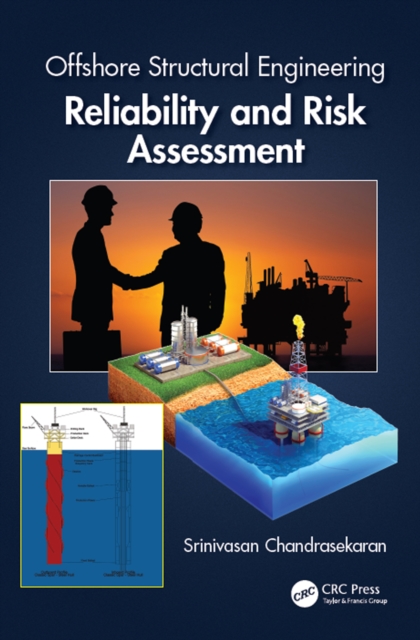
Successfully estimate risk and reliability, and produce innovative, yet reliable designs using the approaches outlined in Offshore Structural Engineering: Reliability and Risk Assessment.
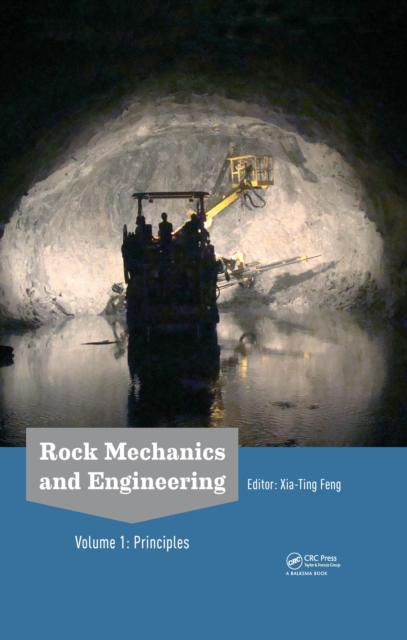
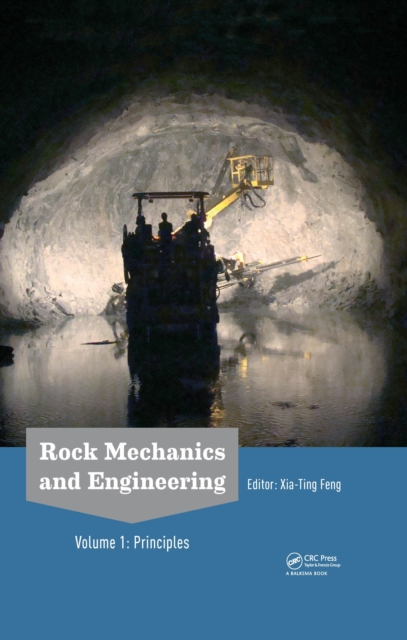
Principles is the first volume of the five-volume set Rock Mechanics and Engineering and contains twenty-four chapters from key experts in the following fields:- Discontinuities;- Anisotropy;- Rock Stress;- Geophysics;- Strength Criteria;- Modeling Rock Deformation and Failure.
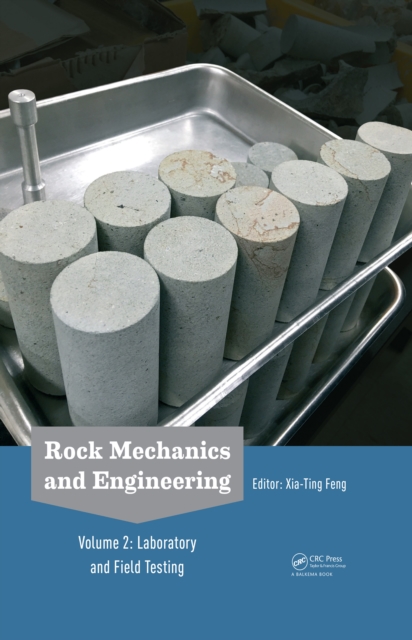
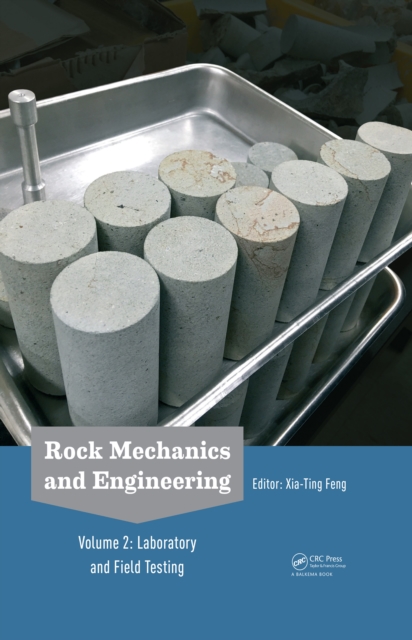
Laboratory and Field Testing is the second volume of the five-volume set Rock Mechanics and Engineering and contains nineteen chapters from key experts in the following fields:- Triaxial or True-triaxial Tests under Condition of Loading and Unloading;- Joint Tests;- Dynamic and Creep Tests;- Physical Modeling Tests;- Field Testing and URLs.
Principles is the first volume of the five-volume set Rock Mechanics and Engineering and contains twenty-four chapters from key experts in the following fields:- Discontinuities;- Anisotropy;- Rock Stress;- Geophysics;- Strength Criteria;- Modeling Rock Deformation and Failure.
Laboratory and Field Testing is the second volume of the five-volume set Rock Mechanics and Engineering and contains nineteen chapters from key experts in the following fields:- Triaxial or True-triaxial Tests under Condition of Loading and Unloading;- Joint Tests;- Dynamic and Creep Tests;- Physical Modeling Tests;- Field Testing and URLs.
This book has the purpose of developing an understanding of the factors determining and influencing the shear behavior of soils, with emphasis on composite soils, as they are the most encountered materials in geological and geotechnical engineering in mountainous areas.
This book has the purpose of developing an understanding of the factors determining and influencing the shear behavior of soils, with emphasis on composite soils, as they are the most encountered materials in geological and geotechnical engineering in mountainous areas.
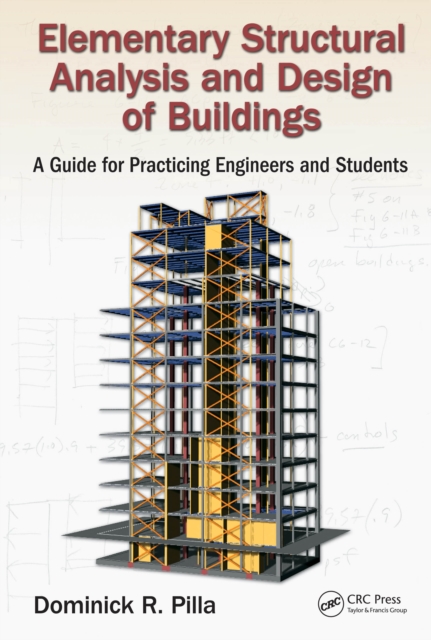
This overview of the analysis and design of buildings runs from basic principles and elementary structural analysis to the selection of structural systems and materials, and on to foundations and retaining structures.
This book is a comprehensive overview of shale gas science and engineering, covering key facets such as the geological and geochemical characteristics of shale gas reservoirs, gas transport mechanisms in shale nanopores, mathematical models and case studies for gas production, and enhancing gas recovery methods.
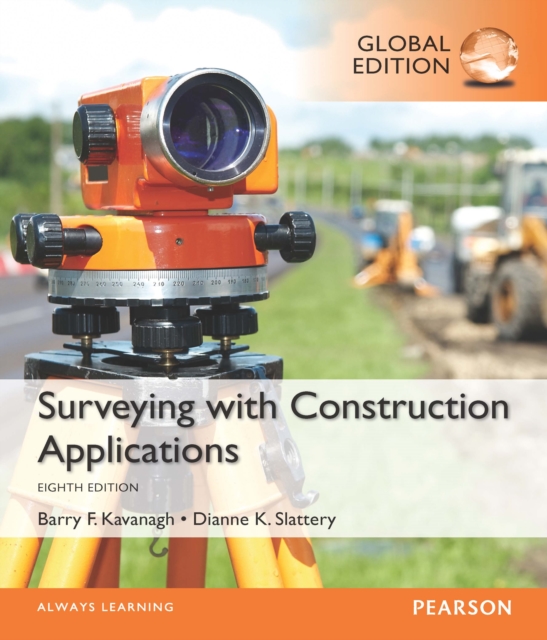
For all surveying courses in Construction Management, Construction Science, Construction Technology, Civil Engineering, Civil Engineering Technology, Survey Engineering, Resources Engineering and Technology programs.
For Surveying courses offered in Civil Engineering departments This highly readable, best-selling text presents basic concepts and practical material in each of the areas fundamental to modern surveying (geomatics) practice.
This up-to-date self-study system delivers comprehensive coverage of all topics on the current version of the Structural Engineering SE examThis up-to-date self-study guide provides comprehensive coverage of all topics expected on the current version of the SE exam.
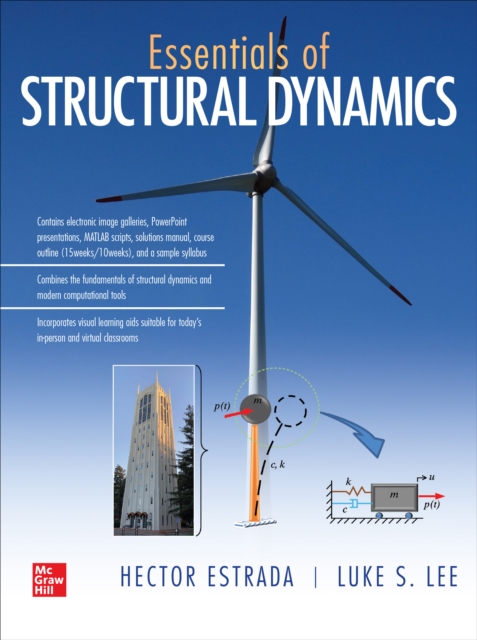
A concise introduction to the principles and practices of structural dynamicsThis hands-on textbook lays out essential structural dynamics concepts and computational methods.
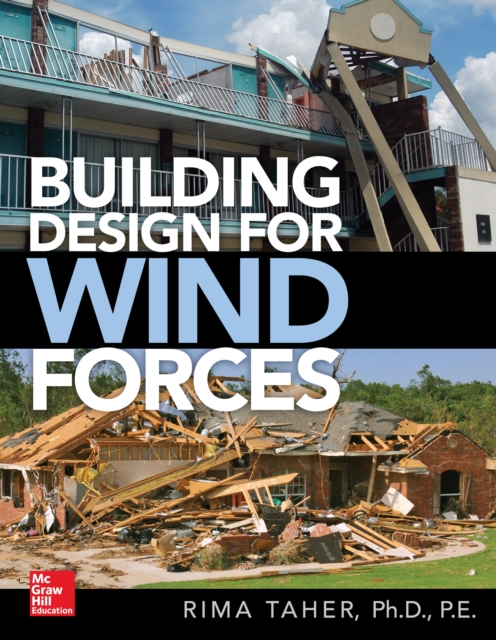
Expert coverage of ASCE 7-16-compliant, wind-resistant engineering methods for safer, sounder low-rise and standard multi-story buildingsUsing the hands-on information contained in this comprehensive engineering guide you will be able to design and construct safer buildings that will better withstand extreme wind forces.
Publisher's Note: Products purchased from Third Party sellers are not guaranteed by the publisher for quality, authenticity, or access to any online entitlements included with the product.
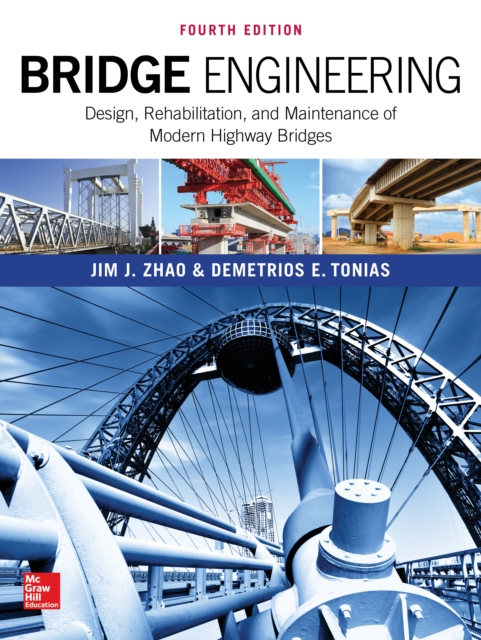
Bridge engineering essentials-fully updated to reflect the latest standards and regulationsThis thoroughly revised resource combines the latest LRFD bridge engineering standards with cutting-edge maintenance and rehabilitation techniques, enabling you to successfully address today s challenging infrastructure projects.
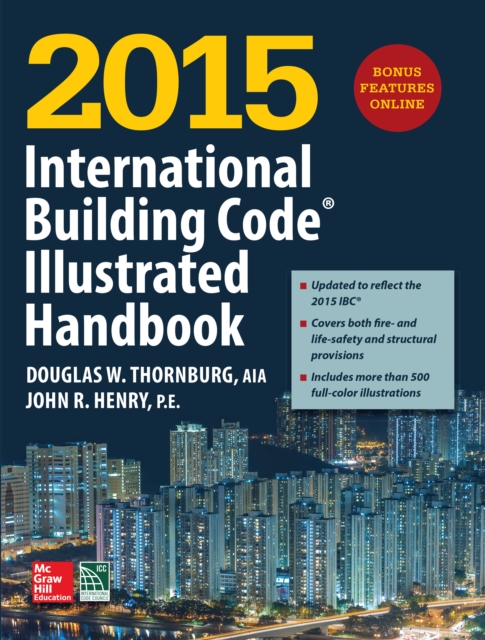
An easy-to-use visual guide to the 2015 International Building Code(R)Thoroughly revised to reflect the International Code Council s 2015 International Building Code , this full-color guide makes it easy to understand and apply complex IBC provisions and achieve compliance.
Complete coverage of every objective for the Structural Engineering SE examTake the 16-hour Structural Engineering SE exam with confidence using this effective self-study resource.
Extreme Loading of Structures serves as a valuable resource for graduate studies or as a reference for practicing engineers and covers various topics, including tornado and tornado generated missiles, vehicular collision, vessel collision, blast, ice load, earthquake ground motion and more.
Nonlinear Structural Dynamics Using FE Methods emphasises fundamental mechanics principles and outlines a modern approach to understanding structural dynamics.
Nonlinear Structural Dynamics Using FE Methods emphasises fundamental mechanics principles and outlines a modern approach to understanding structural dynamics.
The book provides primary information about civil engineering to both a civil and non-civil engineering audience in areas such as construction management, estate management, and building.
Compiled by AECOM, the 2026 edition has been updated with the latest pricing information to help you manage your projects over the next 12 months through this challenging period of inflationary pressure, global uncertainty and skills shortages.
Now in its fourth edition, this popular textbook provides students with a clear understanding of the nature of soil and its behaviour, offering an insight into the application of principles to engineering solutions.
This classic and well-respected textbook provides the most comprehensive coverage of the process of design for structural elements and features a wealth of practical problems and real-world examples.
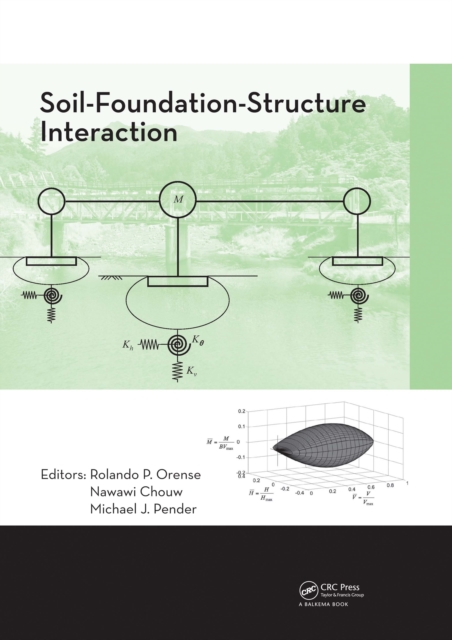
Soil-Foundation-Structure Interaction contains selected papers presented at the International Workshop on Soil-Foundation-Structure Interaction held in Auckland, New Zealand from 26-27 November 2009.
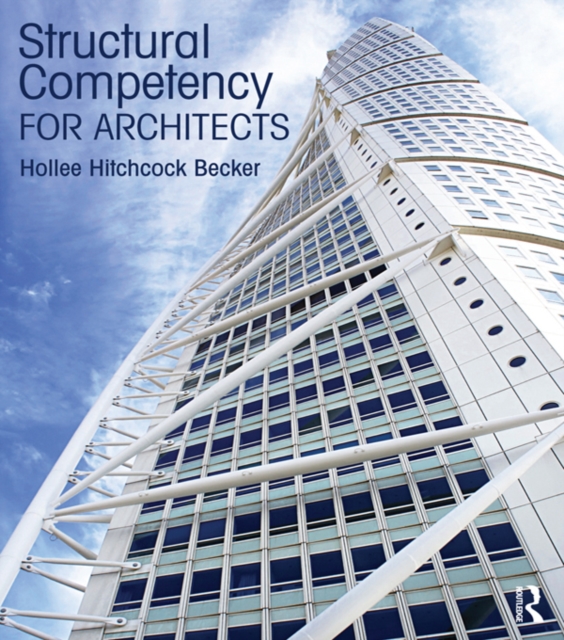
Structural Competency for Architects is a comprehensive volume covering topics from structural systems and typologies to statics, strength of materials, and component design.
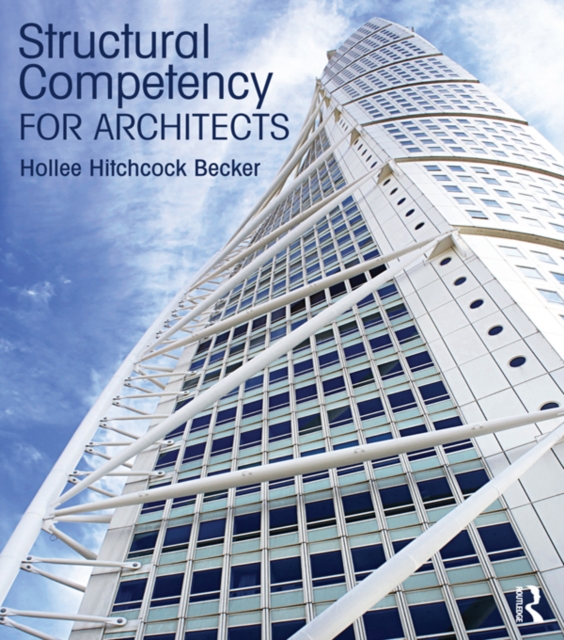
Structural Competency for Architects is a comprehensive volume covering topics from structural systems and typologies to statics, strength of materials, and component design.
Structural Elements Design Manual: Working With Eurocodes is the structural engineers 'companion volume' to the four Eurocodes on the structural use of timber, concrete, masonry and steelwork.