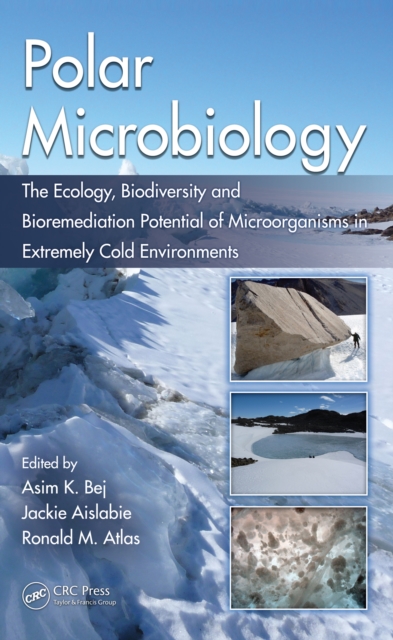
Pollution has accompanied polar exploration since Captain John Davis' arrival on the Antarctic continent in 1821 and has become an unavoidable consequence of oil spills in our polar regions.
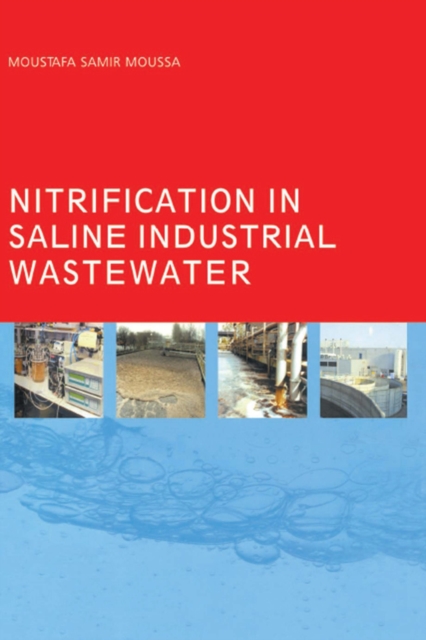
A dissertation on the effects of salinity on nitrifcation in municipal wastewater, considering many aspects of the process and its attendant problems, together with useful and research results from lab- and plant-based research.
Giving an account of successfully applied and recently developed green remediation technologies for water pollution control, this book describes the scope and applications of nature-based wastewater treatment technologies for environmental sustainability.
Progress in Environmental Engineering contains theoretical and experimental contributions on water purification, new concepts andmethods of wastewater treatment, and ecological problems in freshwater ecosystems.
The Lake and Pond Management Guidebook is the successor to the bestselling Lake Smarts: The First Lake Maintenance Handbook, the "e;bible"e; for small-scale lake and pond improvements, published by the Terrene Institute in 1993.
Emphasizing new technologies that produce clean water and energy from the wastewater treatment process, this book presents recent advancements in wastewater treatment by various technologies such as chemical methods, biochemical methods, membrane separation techniques, and nanotechnology.
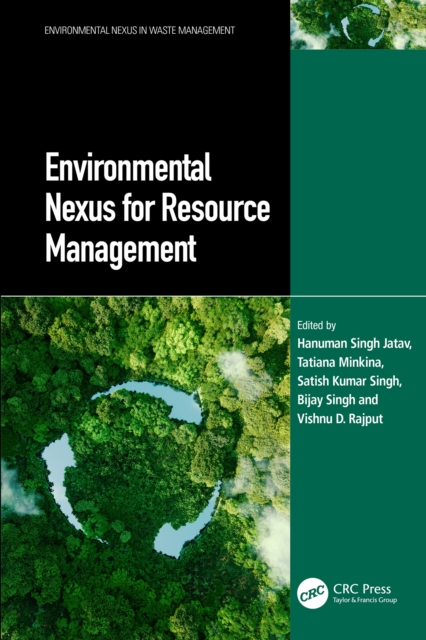
This book gives detailed information about how soil, water and wastes can be managed to overcome the various global issues via possible nexus thinking.
This proceedings book of ICES 2023 presents the most recent studies on environmental sciences and environmental sustainability, which contributes to the resolution of environmental issues (air pollution, water pollution, soil pollution, noise pollution, thermal pollution, radioactive pollution, light pollution, and global warming).
With all the current efforts to use non-fossil sources as a starting point for future energy solutions, consideration is also being given to using microbial activities as a direct or indirect source of energy production.
With all the current efforts to use non-fossil sources as a starting point for future energy solutions, consideration is also being given to using microbial activities as a direct or indirect source of energy production.
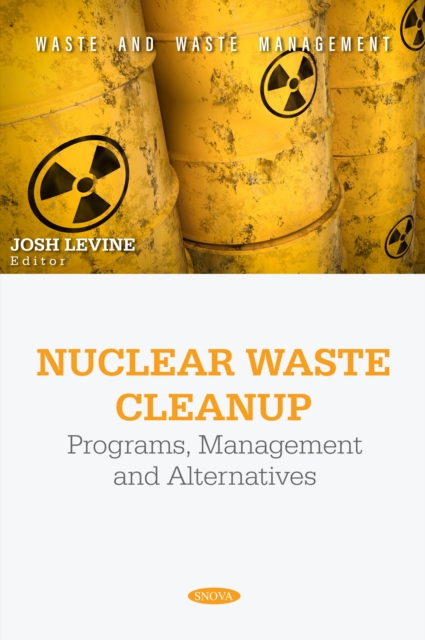
Atomic energy activities supported by the federal government generated large amounts of radioactive and hazardous waste over several decades of nuclear weapons production and energy research.
This book gives detailed information about how soil, water and wastes can be managed to overcome the various global issues via possible nexus thinking.
This book consists of the most recent group of peer-reviewed research papers presented at the 8th International Conference on Civil Engineering, ICOCE 2024 held in Singapore from March 22 to 24.
This book covers environmental and economic waste treatment with resource recovery strategies covering mining, urban, agricultural, industrial, and sewage wastes.
Remediation of Legacy Hazardous and Nuclear Industrial Sites provides an overview of the key elements involved in remediating complex waste sites using the Hanford nuclear site as a case study.
This book is the second volume of a selection of the best papers presented at the XXX National Conference of Commodity Science held in Bari, Italy on 27-28th October, 2022.
Microbial systems have a strong potential to develop green and sustainable technologies, including sources of renewable energy, alternative fuels, and biosynthetic materials for sustainable applications.
This book takes a theoretical and empirical distance from urban slums/low-income settlements as a threat to environmental sustainability and recast them as places where environmentally rehabilitative and circular practices occur-drawing on the theoretical lens of the circular economy (CE).
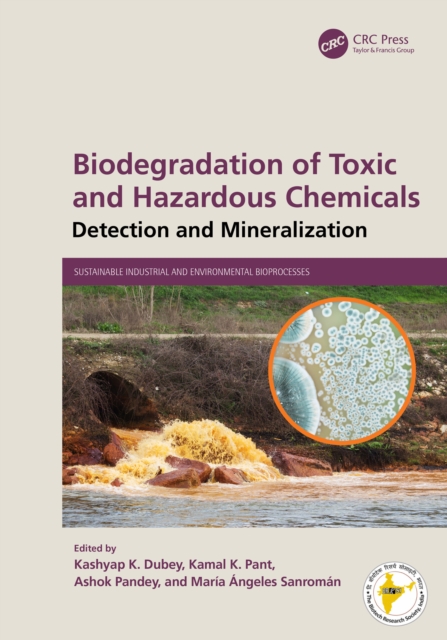
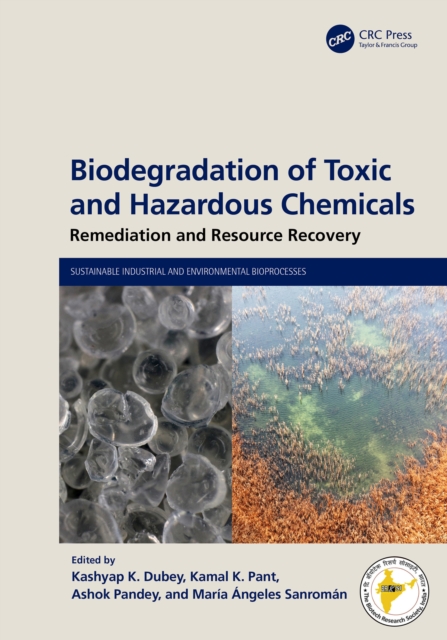
This timely reference book discusses the biotechnological applications of microorganisms as a crucial solution for the sustainable management of different types of toxic pollutants.
This book presents an extensive review of various national and international literature, an analysis of relevant policies and guidelines, and an evaluation of key stakeholders' sentiments.
This book is the second volume of a selection of the best papers presented at the XXX National Conference of Commodity Science held in Bari, Italy on 27-28th October, 2022.
This book provides an overview of new concept in sustainable technologies for wastewater treatment processes, such as annamox process, granular sludge process, membrane technology, wetlands, and sewage sludge management.
This timely reference book discusses the biotechnological applications of microorganisms as a crucial solution for the sustainable management of different types of toxic pollutants.
This book provides an overview of new concept in sustainable technologies for wastewater treatment processes, such as annamox process, granular sludge process, membrane technology, wetlands, and sewage sludge management.
This book takes a theoretical and empirical distance from urban slums/low-income settlements as a threat to environmental sustainability and recast them as places where environmentally rehabilitative and circular practices occur-drawing on the theoretical lens of the circular economy (CE).
This book presents the latest scientific advancements and innovative R&D solutions for the treatment of liquid radioactive waste in the context of practical threats in Ukraine.
This book presents the latest scientific advancements and innovative R&D solutions for the treatment of liquid radioactive waste in the context of practical threats in Ukraine.