Starting with sludge and scum characterization, this practical guide provides least cost methods of improving sludge quality, options for beneficial reuse, the costs of implementing those options, and case studies of sludge reuse programs around the country.
The main driving force behind the development of new applications for chitin and its derivative chitosan lies with the fact that these polysaccharides represent a renewable source of natural biodegradable polymers.
The proceedings in this work present 60 papers on mine and mill tailings and mine waste, as well as current and future issues facing the mining and environmental communities.
The objective of this text is to provide information on mill tailings and mine waste, and to discuss current and future issues facing the mining and environmental communities.
This book is intended to be a general reference for environmental decision makers who are interested in the fate of chlorinated aromatic compounds with respect to microbial activity.
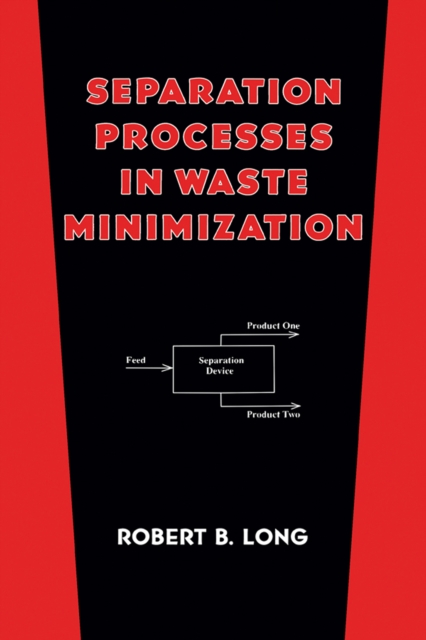
This work offers an accessible discussion of current and emerging separation processes used for waste minimization, showing how the processes work on a day-to-day basis and providing troubleshooting tips for equipment that doesn't function according to design specifications.
Landfilling of Waste: Biogas is the third in a series of reference books which provide a comprehensive overview of the state of the art and identify new directions in landfill technology and landfill research.
In view of the great demand for information regarding landfills, a series of international reference books on landfilling of waste has been established.
Industrial Waste Treatment Process Engineering is a step-by-step implementation manual in three volumes, detailing the selection and design of industrial liquid and solid waste treatment systems.
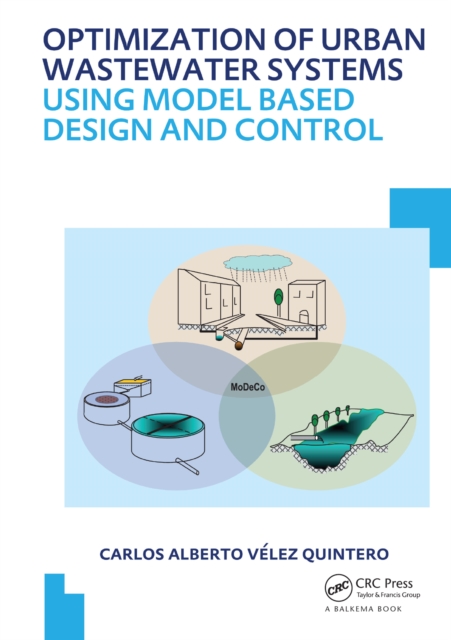
A considerable amount of scientific evidence has been collected leading to the conclusion that urban wastewater components should be designed as one integrated system, in order to protect the receiving waters cost-effectively.
Starting with sludge and scum characterization, this practical guide provides least cost methods of improving sludge quality, options for beneficial reuse, the costs of implementing those options, and case studies of sludge reuse programs around the country.
Hazardous Waste Risk Assessment provides a concise yet comprehensive examination of concepts and techniques in risk assessment that can be applied to hazardous waste problems.
Constructed Wetlands for Water Quality Improvement is a virtual encyclopedia of state-of-the-art information on the use of constructed wetlands for improving water quality.
Both practical and theoretical, this book provides the basic principles of soil chemistry, hydrology, wetland ecology, microbiology, vegetation and wildlife as a sound introduction to this innovative technology to treat toxic wastewaters and sludges.
In an exhaustive compilation of current knowledge, Wastewater Treatment covers subjects that run the gamut from wastewater sources, characteristics, and monitoring to chemical treatments and nutrient removal.
The main driving force behind the development of new applications for chitin and its derivative chitosan lies with the fact that these polysaccharides represent a renewable source of natural biodegradable polymers.
The proceedings in this work present 60 papers on mine and mill tailings and mine waste, as well as current and future issues facing the mining and environmental communities.
This work offers an accessible discussion of current and emerging separation processes used for waste minimization, showing how the processes work on a day-to-day basis and providing troubleshooting tips for equipment that doesn't function according to design specifications.
This book is intended to be a general reference for environmental decision makers who are interested in the fate of chlorinated aromatic compounds with respect to microbial activity.
Landfilling of Waste: Biogas is the third in a series of reference books which provide a comprehensive overview of the state of the art and identify new directions in landfill technology and landfill research.
In view of the great demand for information regarding landfills, a series of international reference books on landfilling of waste has been established.
The objective of this text is to provide information on mill tailings and mine waste, and to discuss current and future issues facing the mining and environmental communities.
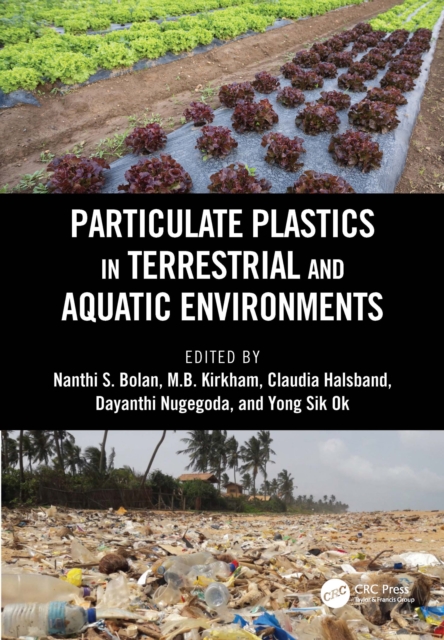
The manufacture of plastic as well as its indiscriminate disposal and destruction by incineration pollutes atmospheric, terrestrial, and aquatic ecosystems.
The manufacture of plastic as well as its indiscriminate disposal and destruction by incineration pollutes atmospheric, terrestrial, and aquatic ecosystems.
Microbe-Assisted Phytoremediation of Environmental Pollutants: Recent Advances and Challenges provides comprehensive information on the principles and practical knowledge of microbe-assisted phytoremediation of organic and inorganic pollutants for environmental safety.
Microbe-Assisted Phytoremediation of Environmental Pollutants: Recent Advances and Challenges provides comprehensive information on the principles and practical knowledge of microbe-assisted phytoremediation of organic and inorganic pollutants for environmental safety.
Applying pollution prevention strategies - the most viable environmental management option of the future - offers a cost-effective means of minimizing waste.
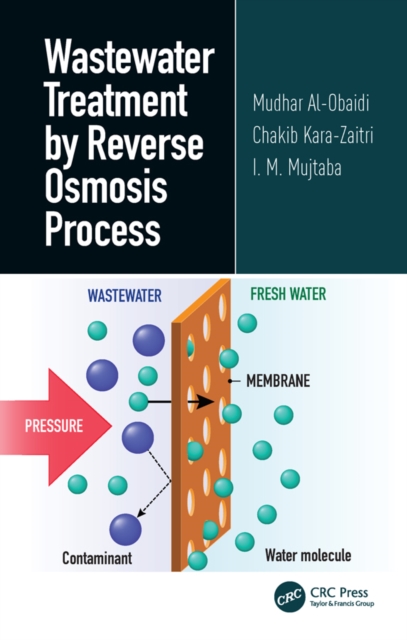
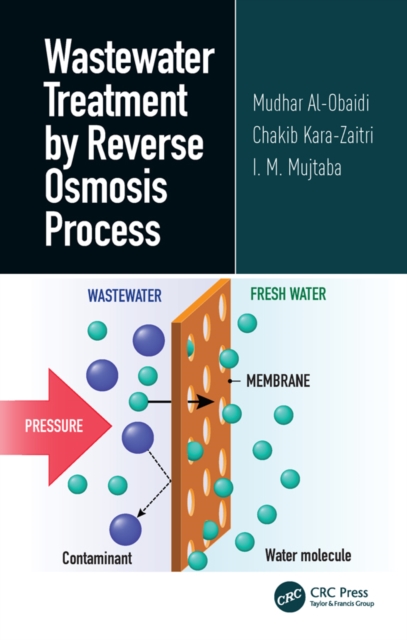
Wastewater Treatment by Reverse Osmosis Process provides a one-stop-shop for reverse osmosis (RO), outlining its scope and limitations for the removal of organic compounds from wastewater.
Wastewater Treatment by Reverse Osmosis Process provides a one-stop-shop for reverse osmosis (RO), outlining its scope and limitations for the removal of organic compounds from wastewater.
Heavy metals, such as lead, chromium, cadmium, zinc, copper, and nickel, are important constituents of most living organisms, as well as many nonliving substances.
First published in 1991, this book conducts a systematic analysis of information regarding the viral effects of sediments, sludges, and soils on humans.
First published in 1991, this book conducts a systematic analysis of information regarding the viral effects of sediments, sludges, and soils on humans.