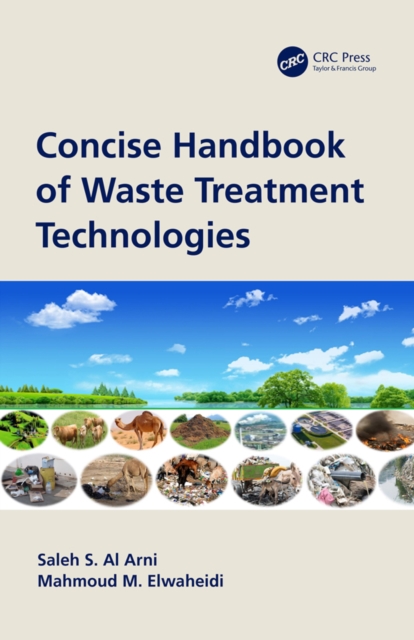
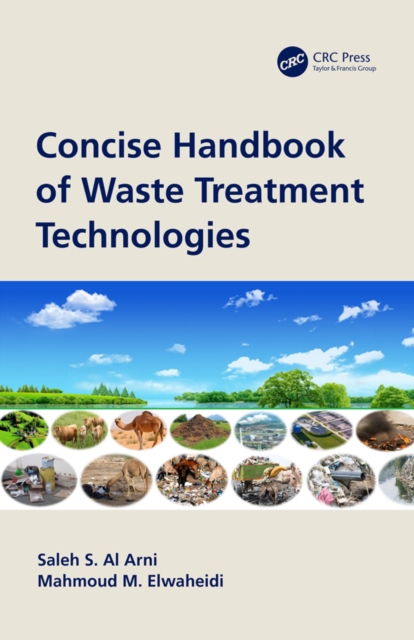
With specialized and succinct coverage, Concise Handbook of Waste Treatment Technologies provides readers with an integrated overview of various waste treatment technologies and related issues.
With specialized and succinct coverage, Concise Handbook of Waste Treatment Technologies provides readers with an integrated overview of various waste treatment technologies and related issues.
In this book, representatives of government, industry, universities, and public interest groups consider the emerging art of risk assessment and discuss the issues and problems involved.
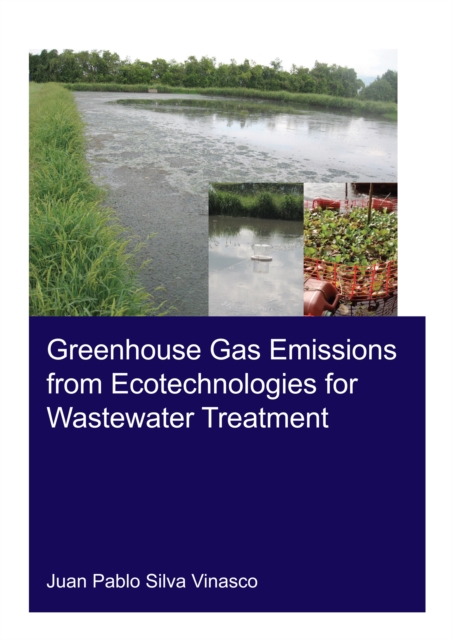
Ecotechnologies for wastewater treatment (EWWT) have been used as a cost-effective alternative to conventional wastewater treatment methods for improving the removal of organic carbon, nutrients and pathogenic microorganisms from wastewater.
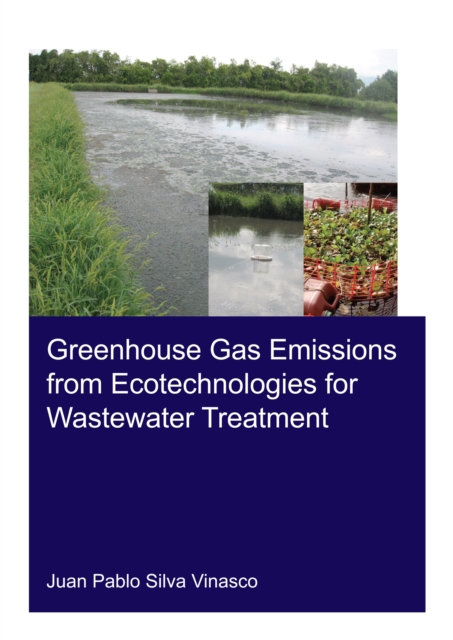
Ecotechnologies for wastewater treatment (EWWT) have been used as a cost-effective alternative to conventional wastewater treatment methods for improving the removal of organic carbon, nutrients and pathogenic microorganisms from wastewater.
This book provides state of the art description of various approaches, techniques and some basic fundamentals of bioremediation to manage a variety of organic and inorganic wastes and pollutants present in our environment.
This book provides state of the art description of various approaches, techniques and some basic fundamentals of bioremediation to manage a variety of organic and inorganic wastes and pollutants present in our environment.
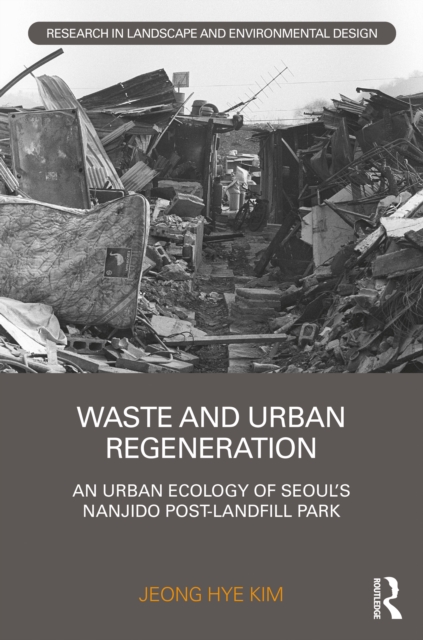
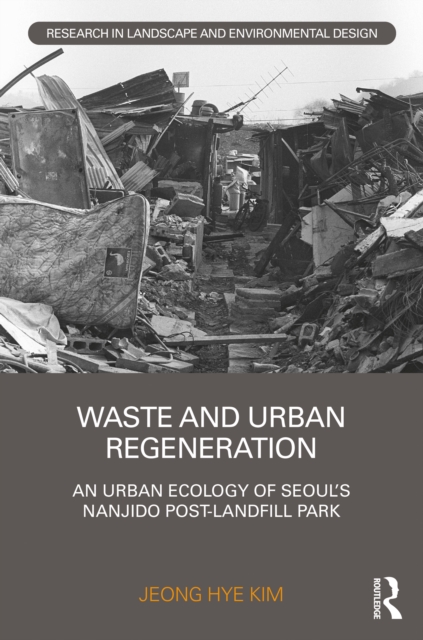
Waste and Urban Regeneration examines the Nanjido region of Seoul and its transformation from Nanjido Landfill to the World Cup Park, and its relation to the urban ecology within the context of the city's urban development during the late twentieth and early twenty-first centuries.
Waste and Urban Regeneration examines the Nanjido region of Seoul and its transformation from Nanjido Landfill to the World Cup Park, and its relation to the urban ecology within the context of the city's urban development during the late twentieth and early twenty-first centuries.
This book, first published in 1980, presents the findings of the SIPRI-organized 1979 international symposium on the destruction and conversion of chemical weapons.
This book, first published in 1980, presents the findings of the SIPRI-organized 1979 international symposium on the destruction and conversion of chemical weapons.
In this book, representatives of government, industry, universities, and public interest groups consider the emerging art of risk assessment and discuss the issues and problems involved.
This book discusses how to use the wastewaters, liquid biowastes and soils unfit for agriculture to economically viable aquaculture practices; and putting the emphasis on, aquaculture posology, the science of quantification and administration of doses in aquatic health and aquaculture management.
This book discusses how to use the wastewaters, liquid biowastes and soils unfit for agriculture to economically viable aquaculture practices; and putting the emphasis on, aquaculture posology, the science of quantification and administration of doses in aquatic health and aquaculture management.
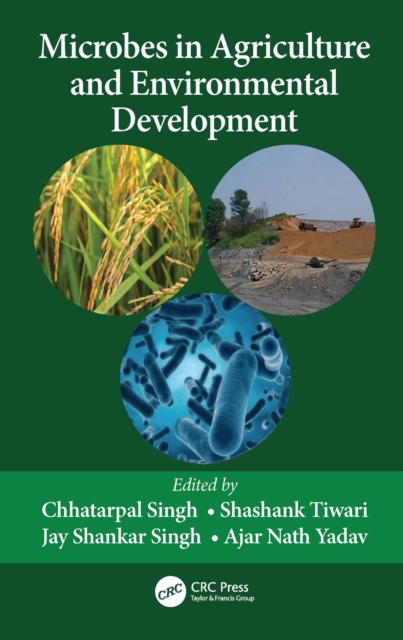
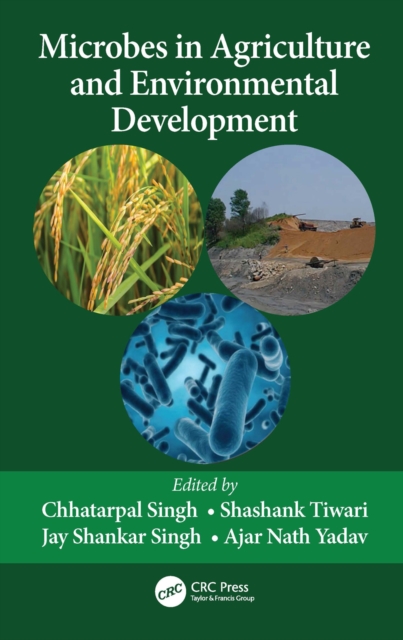
The collection of essays in Microbes in Agriculture and Environmental Development explores the applications of microbes for the improvement of environmental quality and agricultural productivity through inoculants and enzymes.
The collection of essays in Microbes in Agriculture and Environmental Development explores the applications of microbes for the improvement of environmental quality and agricultural productivity through inoculants and enzymes.
Green Productivity and Cleaner Production: A Guidebook for Sustainability focuses on green production processes that could help better achieve global sustainability.
Green Productivity and Cleaner Production: A Guidebook for Sustainability focuses on green production processes that could help better achieve global sustainability.
Industrial Waste Treatment Process Engineering is a step-by-step implementation manual in three volumes, detailing the selection and design of industrial liquid and solid waste treatment systems.
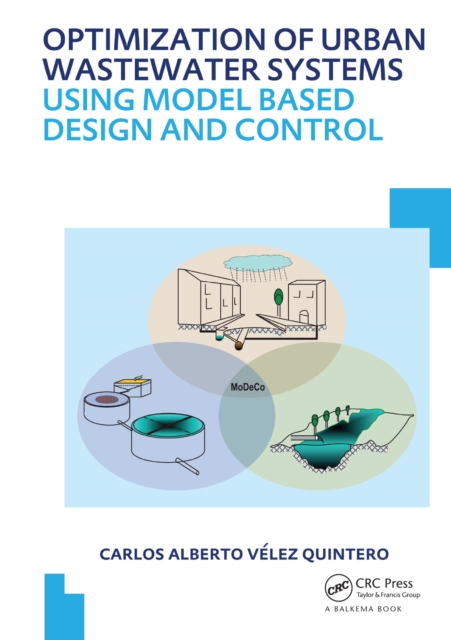
A considerable amount of scientific evidence has been collected leading to the conclusion that urban wastewater components should be designed as one integrated system, in order to protect the receiving waters cost-effectively.
Hazardous Waste Risk Assessment provides a concise yet comprehensive examination of concepts and techniques in risk assessment that can be applied to hazardous waste problems.
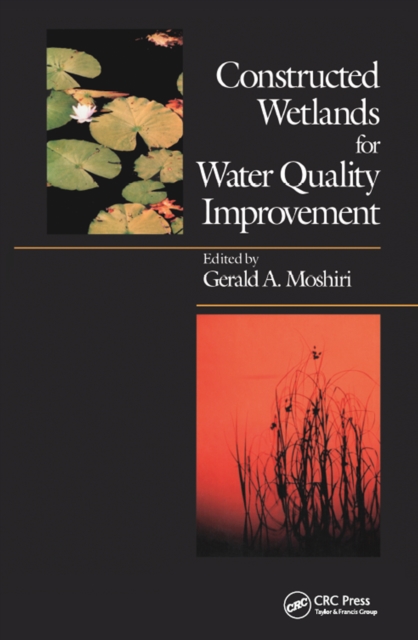
Constructed Wetlands for Water Quality Improvement is a virtual encyclopedia of state-of-the-art information on the use of constructed wetlands for improving water quality.
Both practical and theoretical, this book provides the basic principles of soil chemistry, hydrology, wetland ecology, microbiology, vegetation and wildlife as a sound introduction to this innovative technology to treat toxic wastewaters and sludges.
In an exhaustive compilation of current knowledge, Wastewater Treatment covers subjects that run the gamut from wastewater sources, characteristics, and monitoring to chemical treatments and nutrient removal.