Real risk management is predicated on the eventuality of human erraticism and therefore necessitates the design of resilient systems, such as control measures, policies, procedures, processes, rules, checklists, and protocols, to protect organizations against unpredictability.
The dairy industry usually adopts conventional methods of processing various milk-based food products, which can destroy nutrients and minimize organoleptic qualities.
The dairy industry usually adopts conventional methods of processing various milk-based food products, which can destroy nutrients and minimize organoleptic qualities.
Engineering and science professionals have studied the management of hazardous and toxic wastes extensively, and it is clear that the principal option of the future will be waste minimization, or pollution prevention.
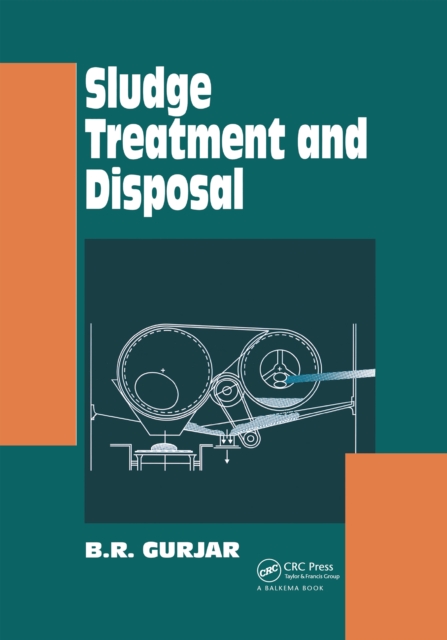
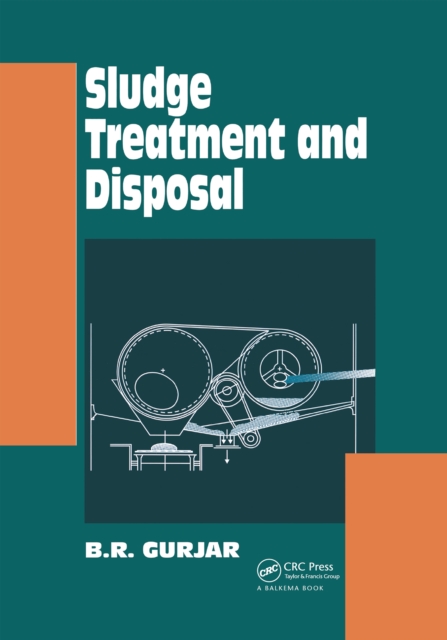
Sludge treatment and disposal used to be considered part of water and wastewater treatment, rather than a separate subject, but is now seen as an independent field of study, research and development.
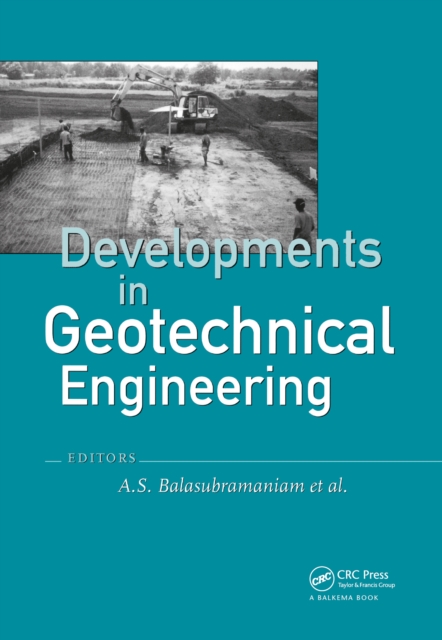
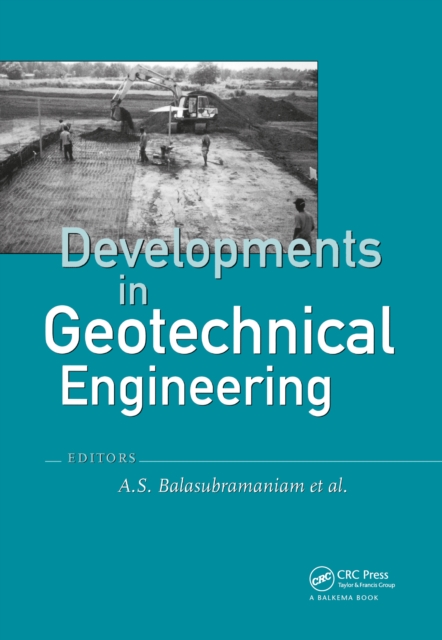
This book reviews the developments that have taken place in the field of geotechnical engineering since the first international conference on Soil Mechanics and Foundation Engineering was held in Harvard University in 1936 until the January 1994 conference in New Delhi, India.
Advanced Materials and Technologies for Wastewater Treatment discusses the methods and technologies of physical, chemical, biological, and thermo-catalytic treatment techniques.
Advanced Materials and Technologies for Wastewater Treatment discusses the methods and technologies of physical, chemical, biological, and thermo-catalytic treatment techniques.
This book discusses new and innovative trends and techniques in the removal of toxic and or refractory pollutants through various environmental biotechnological processes from wastewater, both at the laboratory and industrial scale.
This book discusses new and innovative trends and techniques in the removal of toxic and or refractory pollutants through various environmental biotechnological processes from wastewater, both at the laboratory and industrial scale.
The book includes current and emerging concepts in the areas of environmental biotechnology such as pollution sources, control and measurement, solid waste management, bioremediation, biofuels, biosensors, bioleaching, conservation biotechnology and more.
The book includes current and emerging concepts in the areas of environmental biotechnology such as pollution sources, control and measurement, solid waste management, bioremediation, biofuels, biosensors, bioleaching, conservation biotechnology and more.
Environmental Treatment Technologies for Municipal, Industrial and Medical Wastes will provide the reader with a simple and clear path to analyze the full range of options to manage/treat any solid, hazardous, or medical waste problems/issues at hand.
Environmental Treatment Technologies for Municipal, Industrial and Medical Wastes will provide the reader with a simple and clear path to analyze the full range of options to manage/treat any solid, hazardous, or medical waste problems/issues at hand.
Considering the deleterious impacts of fossil fuels on the environmental and natural ecosystems, it has become imperative to make a paradigm shift toward renewable fuels, chemicals, and materials.
Considering the deleterious impacts of fossil fuels on the environmental and natural ecosystems, it has become imperative to make a paradigm shift toward renewable fuels, chemicals, and materials.
The safe disposal of distillery waste into the environment, as well as its recycling and management, has become a hot topic in developing countries including India.
The safe disposal of distillery waste into the environment, as well as its recycling and management, has become a hot topic in developing countries including India.
For the power industry, biomass is just a modern name for the ancient material of plant origin that was converted into energy in the simple technology of burning.
For the power industry, biomass is just a modern name for the ancient material of plant origin that was converted into energy in the simple technology of burning.
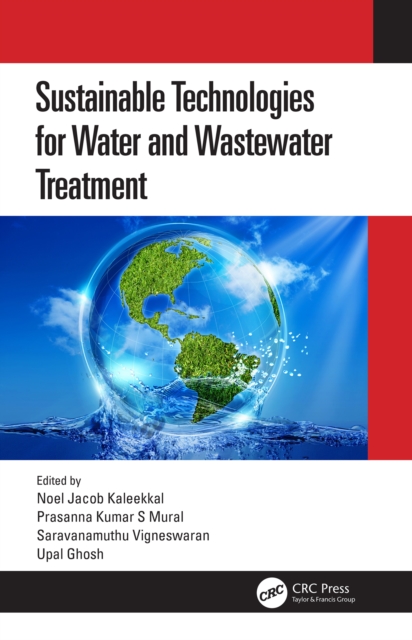
Sustainable Technologies for Water and Wastewater Treatment discusses relevant sustainable technologies for water and wastewater treatment pertaining to a nanoscale approach to water treatment and desalination, membrane-based technologies for water recovery and reuse, the energy and water nexus, degradation of organic pollutants, nascent technologies, bio and bio-inspired materials for water reclamation and integrated systems, and an overview of wastewater treatment plants.
Sustainable Technologies for Water and Wastewater Treatment discusses relevant sustainable technologies for water and wastewater treatment pertaining to a nanoscale approach to water treatment and desalination, membrane-based technologies for water recovery and reuse, the energy and water nexus, degradation of organic pollutants, nascent technologies, bio and bio-inspired materials for water reclamation and integrated systems, and an overview of wastewater treatment plants.
The book is about the discovery of a Standard Specific Baseline Mass Transfer Coefficient (KLa0)20 that represents a revolutionary change in the understanding, designing, and operation of aeration equipment, as well as providing a baseline for future research and development for water and wastewater treatment systems.
The book is about the discovery of a Standard Specific Baseline Mass Transfer Coefficient (KLa0)20 that represents a revolutionary change in the understanding, designing, and operation of aeration equipment, as well as providing a baseline for future research and development for water and wastewater treatment systems.
This book combines the results of current research with essential background material to provide complete, in-depth coverage of every aspect of in situ and ex situ bioremediation, as well as an extensive overview of the physical and chemical processes currently available for treating petroleum-contaminated soils.
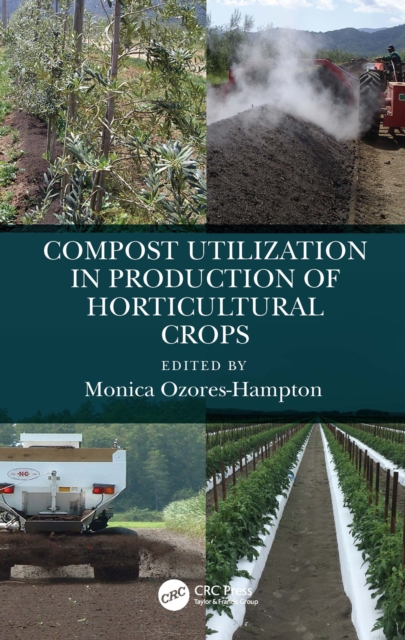
Compost Utilization in Production of Horticultural Crops provides information for the compost industry to develop horticulture production efforts and techniques.
Compost Utilization in Production of Horticultural Crops provides information for the compost industry to develop horticulture production efforts and techniques.
Microalgae in Waste Water Remediation aims to point out trends and current topics concerning the use of microalgae in wastewater treatment and to identify potential paths for future research regarding microalgaebased bioremediation.
Microalgae in Waste Water Remediation aims to point out trends and current topics concerning the use of microalgae in wastewater treatment and to identify potential paths for future research regarding microalgaebased bioremediation.
New Technologies for Reclamation of Industrial Wastewater provides information on several types of industrial wastewaters containing a variety of toxic and recalcitrant compounds.
New Technologies for Reclamation of Industrial Wastewater provides information on several types of industrial wastewaters containing a variety of toxic and recalcitrant compounds.