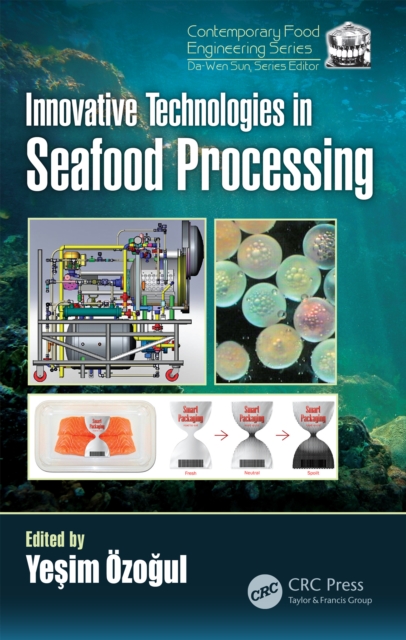
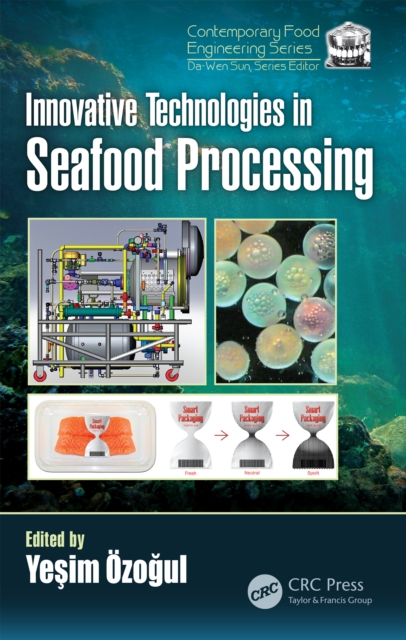
While conventional technologies such as chilling and freezing are used to avoid deteriorative processes like autolytic and microbial spoilage of seafood, innovative technologies have also been developed as a response to economic and environmental demands.
The environment is an all-encompassing component of the ecosystem of "e;Blue planet - the earth"e;, made up of the hydrosphere, atmosphere and lithosphere.
The environment is an all-encompassing component of the ecosystem of "e;Blue planet - the earth"e;, made up of the hydrosphere, atmosphere and lithosphere.
While conventional technologies such as chilling and freezing are used to avoid deteriorative processes like autolytic and microbial spoilage of seafood, innovative technologies have also been developed as a response to economic and environmental demands.
Climatic change plays an integral part in planetary health and is amongst the most important global environmental aspect that has an impact on human health.
Climatic change plays an integral part in planetary health and is amongst the most important global environmental aspect that has an impact on human health.
Generating of agricultural wastes and by-products during the production, processing and consumption of agricultural commodities is unavoidable and over the last decades, an increased public interest has been shown in the challenge of food wastage.
Advanced Oxidation Processes for Wastewater Treatment: An Innovative Approach: This book highlights the importance of various innovative advanced oxidation technology to clean up the environment from pollution caused by human activities.
Advanced Oxidation Processes for Wastewater Treatment: An Innovative Approach: This book highlights the importance of various innovative advanced oxidation technology to clean up the environment from pollution caused by human activities.
Generating of agricultural wastes and by-products during the production, processing and consumption of agricultural commodities is unavoidable and over the last decades, an increased public interest has been shown in the challenge of food wastage.
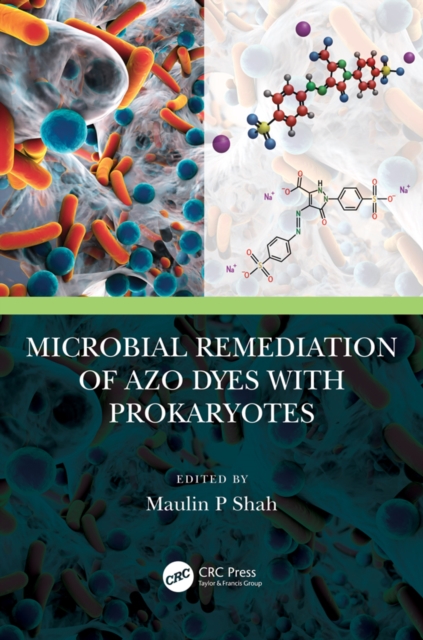
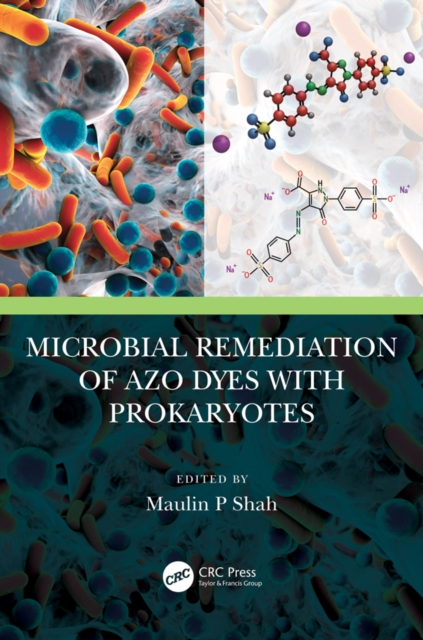
This book details microbial remediation of azo dyes from wastewater including information on existing methods and technologies, their graduation, the emergence of new technologies, industrial practices, and real-case studies.
This book details microbial remediation of azo dyes from wastewater including information on existing methods and technologies, their graduation, the emergence of new technologies, industrial practices, and real-case studies.
Presenting an in-depth coverage, this textbook brings together and integrates key topics including water resources, wastewater, air, and solid waste in a single volume.
Presenting an in-depth coverage, this textbook brings together and integrates key topics including water resources, wastewater, air, and solid waste in a single volume.
Biomass finds its application as feedstock to produce biofuels and other value-added products, which finds usage in energy and environmental areas with particular focus on bioenergy production from different biomass and high-volume, medium-value industrial products.
Biomass finds its application as feedstock to produce biofuels and other value-added products, which finds usage in energy and environmental areas with particular focus on bioenergy production from different biomass and high-volume, medium-value industrial products.
Wastewater Treatment: Molecular Tools, Techniques, and Applications provides an insight about the application of different tools and technology for exploring microbial structure-function relationships that involved in WWTPs.
Wastewater Treatment: Molecular Tools, Techniques, and Applications provides an insight about the application of different tools and technology for exploring microbial structure-function relationships that involved in WWTPs.
Experiment Design for Environmental Engineering provides a wide range of practical environmental engineering laboratory experiments for implementation by students in a university laboratory or by practicing professionals in the field, along with an extensive discussion on how to design an experiment that will provide meaningful and useful data, how to interpret the data generated from an experiment, and how to present those data to an audience of other students or professionals.
Experiment Design for Environmental Engineering provides a wide range of practical environmental engineering laboratory experiments for implementation by students in a university laboratory or by practicing professionals in the field, along with an extensive discussion on how to design an experiment that will provide meaningful and useful data, how to interpret the data generated from an experiment, and how to present those data to an audience of other students or professionals.
Having a solid understanding of materials recycling is of high importance, especially due to the growing use of composites in many industries and increasingly strict legislation and concerns about the disposal of composites in landfills or by incineration.
Having a solid understanding of materials recycling is of high importance, especially due to the growing use of composites in many industries and increasingly strict legislation and concerns about the disposal of composites in landfills or by incineration.
This book provides comprehensive and simplified coverage of fundamentals of biogas such as production, purification, storage, methods of improving yield and utilization, types, construction, design and operation of biogas plants.
This book provides comprehensive and simplified coverage of fundamentals of biogas such as production, purification, storage, methods of improving yield and utilization, types, construction, design and operation of biogas plants.
Waste can be defined as something no longer wanted, something destroyed, broken, or damaged beyond repair and therefore disposed of or simply thrown away because it is no longer functional, needed, or wanted.
Waste can be defined as something no longer wanted, something destroyed, broken, or damaged beyond repair and therefore disposed of or simply thrown away because it is no longer functional, needed, or wanted.
Scientific management strategies can help in exploring anthropogenic wastes (human-made materials) as potential resources through the urban mining concept and be a panacea for sustainable development.
Scientific management strategies can help in exploring anthropogenic wastes (human-made materials) as potential resources through the urban mining concept and be a panacea for sustainable development.
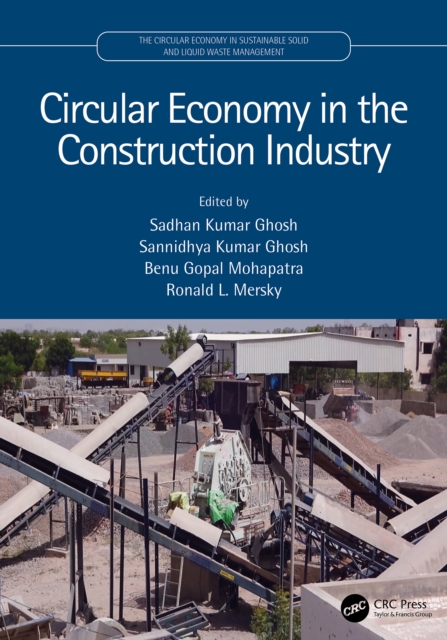
Circular Economy in the Construction Industry is an invaluable resource for researchers, policymakers, implementers and PhD and Masters-level students in universities analyzing the present status of Construction and Demolition Wastes (C&DW) management, materials development utilizing slag, fly ash, HDPE fibre, geo-wastes, and other wastes, green concrete, soil stabilization, resource circulation in construction sectors, success in experimentation & commercial production, future needs, and future research areas.
Circular Economy in the Construction Industry is an invaluable resource for researchers, policymakers, implementers and PhD and Masters-level students in universities analyzing the present status of Construction and Demolition Wastes (C&DW) management, materials development utilizing slag, fly ash, HDPE fibre, geo-wastes, and other wastes, green concrete, soil stabilization, resource circulation in construction sectors, success in experimentation & commercial production, future needs, and future research areas.
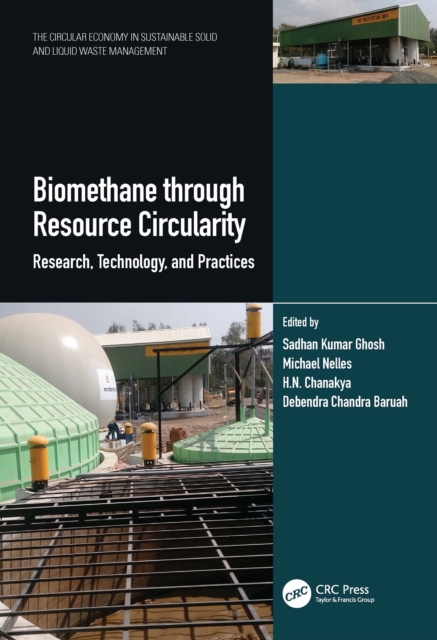
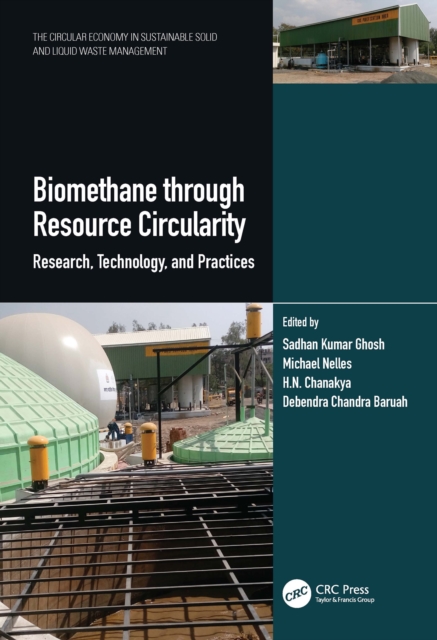
Biomethane through resource circularity: Research, Technology and Practices is an invaluable resource for researchers, policy makers, implementers and PhD and Marsters level students in universities analyzing the present status, waste biomass including agro wastes, success in experimentation & commercial production, future needs and other relevant areas.
Biomethane through resource circularity: Research, Technology and Practices is an invaluable resource for researchers, policy makers, implementers and PhD and Marsters level students in universities analyzing the present status, waste biomass including agro wastes, success in experimentation & commercial production, future needs and other relevant areas.
The book provides information on recent advancements in bioenergy engineering to graduates, post-graduates, research scholars, faculty members, academician, researchers and practitioners studying and working in field of the bioenergy engineering.
The book provides information on recent advancements in bioenergy engineering to graduates, post-graduates, research scholars, faculty members, academician, researchers and practitioners studying and working in field of the bioenergy engineering.
Real risk management is predicated on the eventuality of human erraticism and therefore necessitates the design of resilient systems, such as control measures, policies, procedures, processes, rules, checklists, and protocols, to protect organizations against unpredictability.