This book offers a practical guidance for environmental engineers and scientists charged with assessing the cause-and-effect of pollutants in receiving water systems.
Industrial Waste Treatment Handbook provides the most reliable methodology for identifying which waste types are produced from particular industrial processes and how they can be treated.
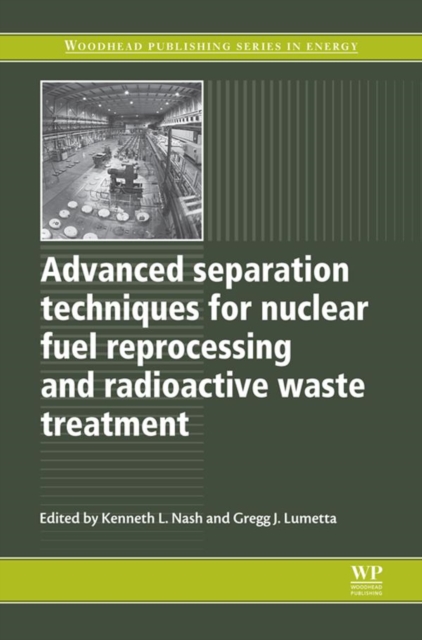
Advanced separations technology is key to closing the nuclear fuel cycle and relieving future generations from the burden of radioactive waste produced by the nuclear power industry.
Advanced Bioseparation of Industrial Wastes: Sustainable Recovery of High-Value Metal Ions examines resource recovery from a variety of industrial waste streams, including sludge and wastewater, with an emphasis on both the fundamentals and the more advanced concepts involved.
This two-volume work presents comprehensive, accurate information on the present status and contemporary development in phycoremediation of various types of domestic and industrial wastewaters.
This book comprises interdisciplinary topics including consolidating research activities in all experimental and theoretical aspects of natural advanced materials in the fields of science, engineering, and medicine including structure, synthesis, processing, physico-chemical properties, and applications.
The introduction of emerging contaminants through anthropogenic activities and industrial discharges has raised significant public health concerns worldwide.
The changes in temperature and rainfall that will come with climate change combined with populations that are growing but also becoming more condensed will put a great deal of stress on our wastewater systems.
This book examines how the palm oil industry may align its business practices with circular economy principles, amid growing environmental scrutiny and regulatory pressures.
This book embarks on a thorough exploration of metal ion removal processes and cutting-edge technologies, with a particular focus on membranes, photocatalysts, and a diverse array of adsorbents.