This volume provides a perspective on how different countries cope with the municipal solid waste problem politically, administratively, and technically--with a particular focus on sanitary landfilling.
Organic wastes are traditionally applied to land to recover their fertilizer value, but the microbial turnover of such organic matter in soil is often out of phase with the requirements of growing plants.
This book demonstrates that the long-term safety of nuclear waste repositories, special waste disposal and carbon storage (CCS) is highly challenging and monitoring may contribute to substantiate evidence, support decision making and legitimise the programme.
Environmental issues such as ozone layer depletion, overpopulation, biodiversity loss, global warming, natural resource depletion, and so on affect every organism on the planet somehow.
In the past two or three decades, fractured rock domains have received increasing attention not only in reservoir engineering and hydrology, but also in connection with geological isolation of radioactive waste.
The concept of Sustainable Development, implicating the protection of soil and groundwater, the limitation of waste production and the re-use of soild waste materials is still the leading theme of WASCON '94.
The growing awareness of environmental problems provided the stimulus for this 4th International Symposium on Biotechnology, Interbiotech '90, to address many aspects of the relationship between biotechnology and the environment.
This book covers state-of-the-art technologies, principles, methods and industrial applications of electronic waste (e-waste) and waste PCB (WPCB) recycling.
Sustainable Industrial Design and Waste Management was inspired by the need to have a text that enveloped awareness and solutions to the ongoing issues and concerns of waste generated from industry.
This book comprehensively explores various aspects of food waste management, ranging from understanding the issue to innovative solutions that convert waste into valuable resources.
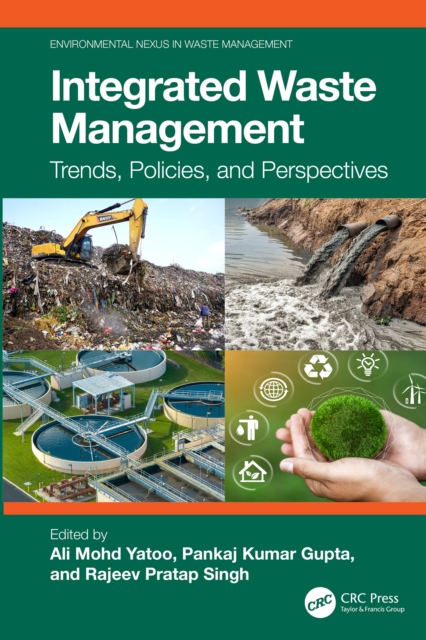
This book addresses multiple focus areas identified and provides solutions with respect to the circular economy, water pollution, potable water availability, reducing population impact on the environment, and better health by integrated waste management.
This volume provides a clear understanding of how microbes, following their degradative processes, contribute maximally to the benefit of mankind through biotransformations of waste materials as well as a wide variety of health-risk compounds.
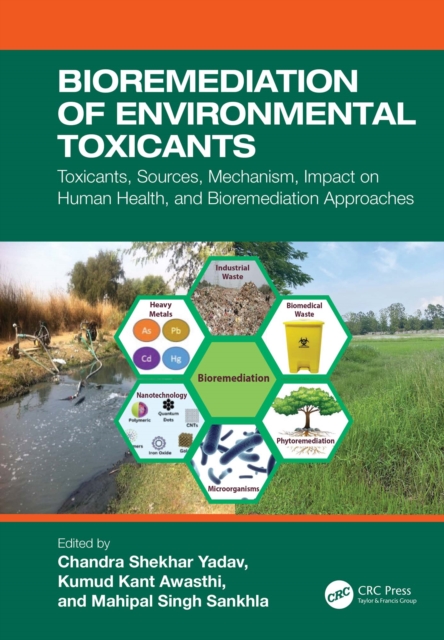
Bioremediation of Environmental Toxicants: Toxicants, Sources, Mechanism, Impact on Human Health, and Bioremediation Approaches provides insight into the nature of environmental toxicants, the impact on human health, and their bioremediation approaches, viz.
Material and Energy Recovery from Solid Waste for a Circular Economy describes solid waste to material and energy recovery to bridge the gap between theoretical possibilities and on-field criticalities.
Land deterioration, drought, desertification, and water resources shrinkage threaten natural resources, negatively impacting environmental, economic, and political stability.
Handbook of Solid Waste Management and Waste Minimization Technologies is an essential tool for plant managers, process engineers, environmental consultants, and site remediation specialists that focuses on practices for handling a broad range of industrial solid waste problems.
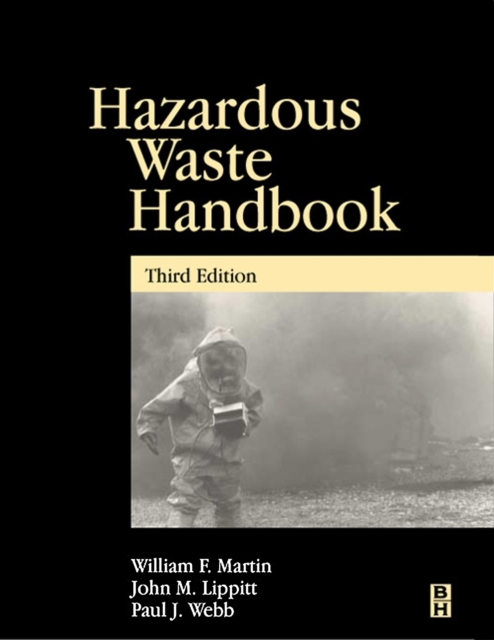
Hazardous Waste Handbook 3E offers a straightforward approach to protecting workers who clean up the nation's hazardous waste sites and chemical spills.
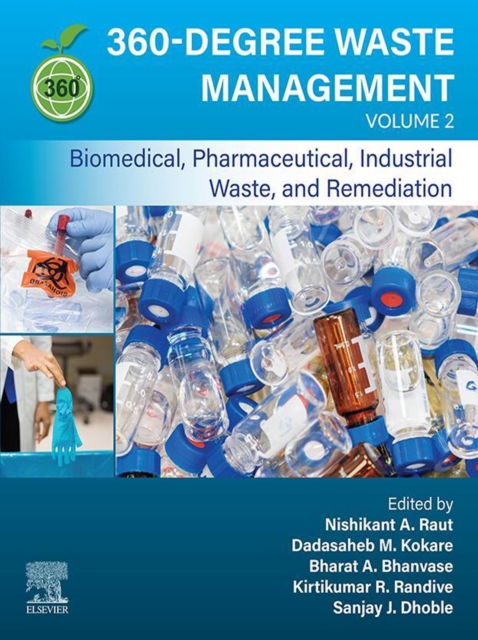
360 Degree Waste Management, Volume Two: Biomedical, Pharmaceutical, and Industrial Waste and Remediation presents an interdisciplinary approach to understanding various types of biomedical, pharmaceutical, and industrial waste, including their origin, management, recycling, disposal, effects on ecosystems, and social and economic impacts.
Environmental Engineering, Second Edition provides a comprehensive introduction to air, water, noise, and radioactive materials pollution and its control.
Many engineers, from the chemical and process industries, waste treatment system management and design to the clean-up of contaminated sites, are engaged in careers that address hazardous wastes.
This book is a ready reckoner of recent information regarding the impact of leachate landfills, leachate treatment, and heavy metals on a single platform.
Nanotechnology uses nanomaterials/nanoparticles that can penetrate plant cells and interact with intracellular organelles and metabolites impacting plant growth, development, physiology, and biochemistry.
Biotechnology is one of the fastest emerging fields that has attracted attention of conventional biologists, biochemists, microbiologists, medical and agricultural scientists.
Taking the reader through the history of industrial waste treatment and directing them toward a new path of best practice, Industrial Waste Treatment illustrates how current treatment techniques are affected by regulatory and economic constraints, scientific knowledge and tolerances.
Resource Recovery in Municipal Waste Waters provides various municipal wastewater remediation methods and techniques to recover materials from such wastewaters.
Waste-Based Zeolite: Synthesis and Environmental Applications focuses on the use of waste-based materials to fabricate zeolite and its subsequent use in environmental applications.
Wetland Systems to Control Urban Runoff integrates natural and constructed wetlands, and sustainable drainage techniques into traditional water and wastewater systems used to treat surface runoff and associated diffuse pollution.
Resource recovery and recycling from millions of tons of wastes produced from industrial activities is a continuing challenge for environmental engineers and researchers.
In today's chemically dependent society, environmental studies demonstrate that drinking water in developed countries contains numerous industrial chemicals, pesticides, pharmaceuticals and chemicals from water treatment processes.