Ultrasonic irradiation and the associated sonochemical and sonophysical effects are complementary techniques for driving more efficient chemical reactions and yields.
A comprehensive collection of contributions from the Middle East and Japan, dealing with pressing problems concerning sustainability in arid zones, this time with the accent on environmental science and engineering.
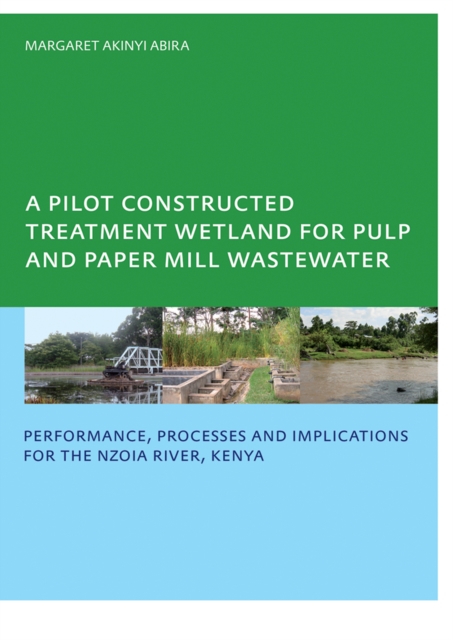
This study, conducted in Kenya, gives the first insight into the performance of a constructed treatment wetland receiving pulp and paper mill wastewater in the tropics.
A comprehensive resource, this volume offers a tool for the management of a range of chemical substances commonly used, handled, stored, transported, and disposed of as wastes.
Compact and practical, Spellman's Standard Handbook for Wastewater Operators: Volume III, Advanced Level, Second Edition rounds out the revision of this three-volume set.
Up to date and current with the latest technology, Spellman's Standard Handbook for Wastewater Operators: Volume II, Intermediate Level, Second Edition provides a study guide and resource in a compact format.
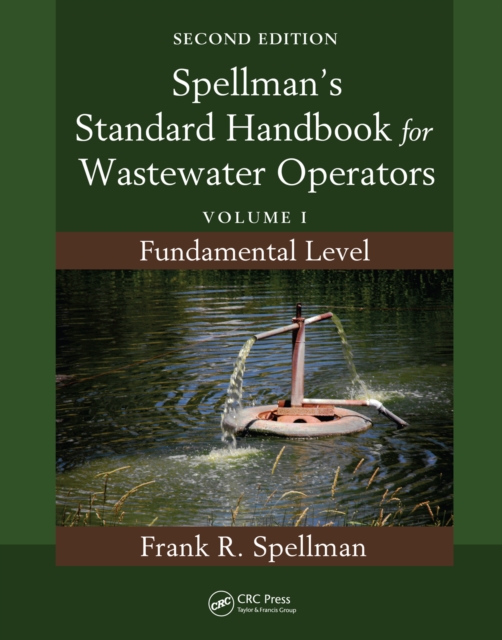
Retaining the same successful and proven format used in the bestselling first edition, Spellman's Standard Handbook for Wastewater Operators: Volume I, Fundamental Level, Second Edition contains the necessary information to successfully study for and pass currently administered certification examinations.
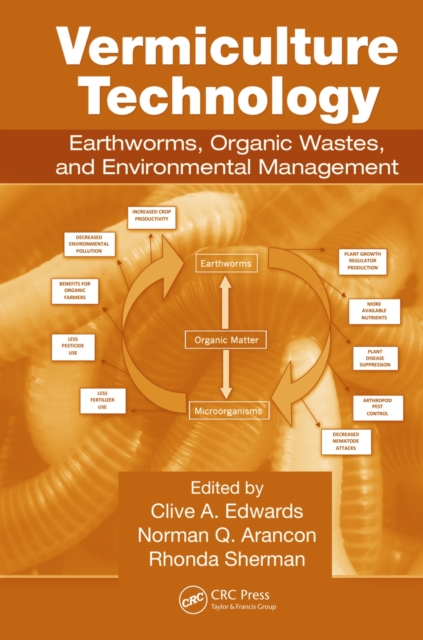
Exploring the dramatic growth and changes in the field of vermicomposting since 1988, this comprehensive review assesses the advancements made in government-funded projects in the U.
Heavy metals, such as lead, chromium, cadmium, zinc, copper, and nickel, are important constituents of most living organisms, as well as many nonliving substances.
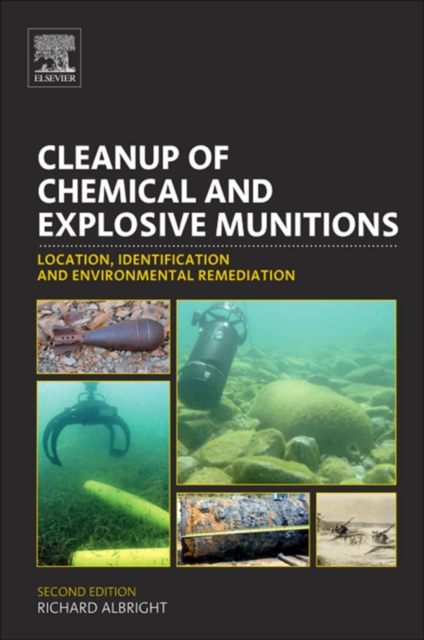
Unexploded military ordnance and toxic chemicals, some dating back to the two World Wars, are a global concern, especially when former military bases are redeveloped for housing or other civilian uses.
This book, besides discussing challenges and opportunities, will reveal the microbe-metal interactions and strategies for e-waste remediation in different ecosystems.
Unexploded military ordnance and toxic chemicals, some dating back to the two World Wars, are a global concern, especially when former military bases are redeveloped for housing or other civilian uses.
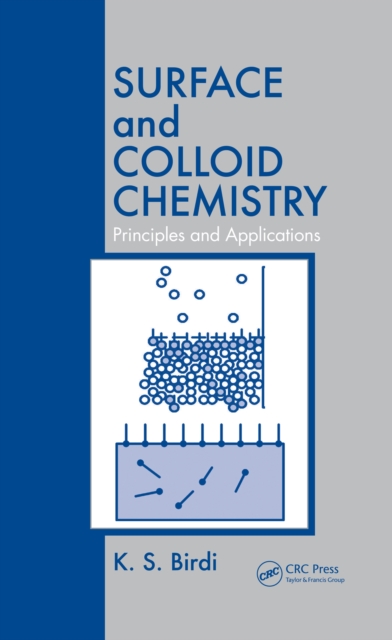
Surface and colloid chemistry principles impact many aspects of our daily lives, ranging from the cleaners and cosmetics we use to combustion engines and cement.
All manufacturing companies face the daunting task of designing an employee training matrix that meets the gamut of national and international regulatory standards.
Since the publication of the first edition of this volume in 1988, we have made great strides in reducing the amount of toxic waste that threatens our water, soil, and air.
Derived from the fourth edition of the well-known Plastics Technology Handbook, Plastics Fabrication and Recycling presents the molding and fabrication processes of plastics as well as several important fe
Pollution has accompanied polar exploration since Captain John Davis' arrival on the Antarctic continent in 1821 and has become an unavoidable consequence of oil spills in our polar regions.
A-Z Guide for Maximum Cost Reduction and Increased Equipment Reliability To remain globally competitive, today's manufacturing operations have greatly improved, but there is one last link in the advancement evolution.
A successful modern heavy metal control program for any industry will include not only traditional water pollution control, but also air pollution control, soil conservation, site remediation, groundwater protection, public health management, solid waste disposal, and combined industrial-municipal heavy metal waste management.
Although valuable resources in river basins and other aqueous environments, sediments often receive much less attention from researchers, policymakers, and other professionals than other components of the ecosystem.
As the global nature of pollution becomes increasingly obvious, successful hazardous waste treatment programs must take a total environmental control approach that encompasses all areas of pollution control.
This book combines the results of current research with essential background material to provide complete, in-depth coverage of every aspect of in situ and ex situ bioremediation, as well as an extensive overview of the physical and chemical processes currently available for treating petroleum-contaminated soils.
Industrial Safety and Health for Infrastructure Services provides an in-depth look into the areas of transportation, utilities, administrative, waste management, and remediation.
The second edition of Restoration of Contaminated Aquifers: Petroleum Hydrocarbons and Organic Compounds incorporates the latest advances in in-situ remediation and natural attenuation, and maintains the comprehensive, accessible structure that made the first edition a classic.
The development of stabilization and solidification techniques in the field of waste treatment reflects the efforts to better protect human health and the environment with modern advances in materials and technology.
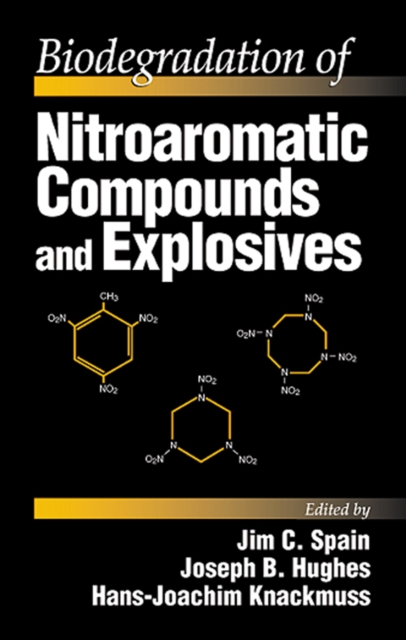
Filled with practical applications and research, Biodegradation of Nitroaromatic Compounds and Explosives presents an international perspective on environmental contamination from explosives.
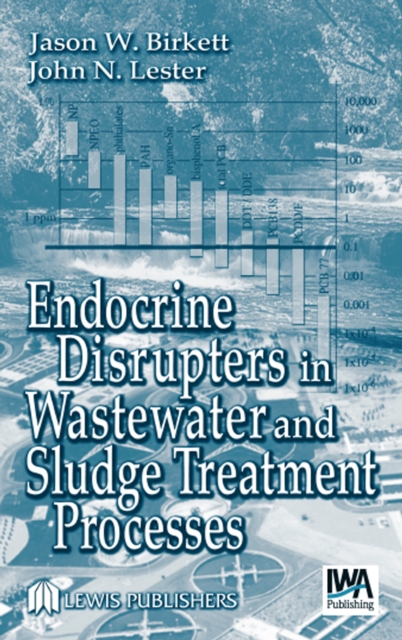
Endocrine Disrupting Chemicals (EDCs) have been shown to produce changes in the endocrine system of organisms, leading to increases in cancers and abnormalities in reproductive structure and function.
The books currently available on this subject contain some elements of physical-chemical treatment of water and wastewater but fall short of giving comprehensive and authoritative coverage.
High surface area, a microporous structure, and a high degree of surface reactivity make activated carbons versatile adsorbents, particularly effective in the adsorption of organic and inorganic pollutants from aqueous solutions.
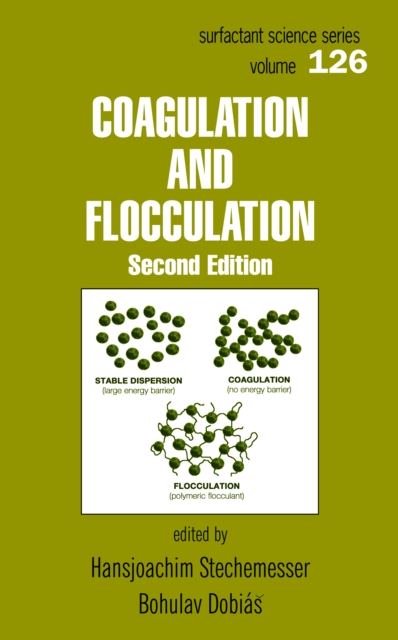
First published in 1993, Coagulation and Flocculation is a practical reference for the researchers in the field of the stabilization and destabilization of fine solid dispersions.
Complete and quantitative, NAPL Removal: Surfactants, Foams, and Microemulsions, belongs to a ten-monograph series that records the results of the Department of Defense/Advanced Applied Technology Demonstration Facility environmental technology demonstrations.
A part of the continuing effort to provide innovative in situ remediation techniques, Remediation of Firing-Range Impact Berms presents the results of a soil washing and leaching project.
The immense environmental challenges facing the world now and in years to come can only be met through marshalling the talents of the best environmental engineers and scientists, and through the use of innovative, cost-effective solutions.
The applications of solvent extraction (SX) and liquid membranes (LM) span chemistry, metallurgy, hydrometallurgy, chemical/mineral processing, and waste treatment-making it difficult to find a single resource that encompasses fundamentals as well as advanced applications.
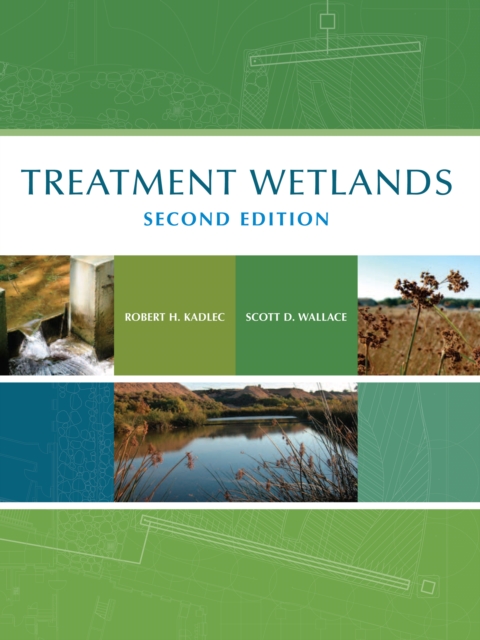
Completely revised and updated, Treatment Wetlands, Second Edition is still the most comprehensive resource available for planning, designing, and operating wetland treatment systems.
Modeling Tools for Environmental Engineers and Scientists enables environmental professionals, faculty, and students with minimal computer programming skills to develop computer-based mathematical models for natural and engineered environmental systems.
Clean and environmentally sound disposal of animal waste in the quantities that Concentrated Animal Feeding Operations (CAFOs) produce can only be described as a challenge.
Drawing on the authors' combined experience of more than 30 years, Advanced Onsite Wastewater Systems Technologies explores use of these technologies on a wide-scale basis to solve the problems associated with conventional septic tank and drain field systems.
Nanotechnology uses nanomaterials/nanoparticles that can penetrate plant cells and interact with intracellular organelles and metabolites impacting plant growth, development, physiology, and biochemistry.