This book will present the theory involved in wastewater treatment processes, define the important design parameters involved, and provide typical values of these parameters for ready reference; and also provide numerical applications and step-by-step calculation procedures in solved examples.
This book will present the theory involved in wastewater treatment processes, define the important design parameters involved, and provide typical values of these parameters for ready reference; and also provide numerical applications and step-by-step calculation procedures in solved examples.
The field of industrial microbiology involves a thorough knowledge of the microbial physiology behind the processes in the large-scale, profit-oriented production of microbe-related goods which are the subject of the field.
The field of industrial microbiology involves a thorough knowledge of the microbial physiology behind the processes in the large-scale, profit-oriented production of microbe-related goods which are the subject of the field.
Composting and Recycling Municipal Solid Waste is a comprehensive guide that identifies, describes, explains, and evaluates the options available when composting and recycling municipal solid waste (MSW).
Composting and Recycling Municipal Solid Waste is a comprehensive guide that identifies, describes, explains, and evaluates the options available when composting and recycling municipal solid waste (MSW).
Written by leading soil and ground-water remediation scientists, Handbook of Bioremediation presents information regarding the processes, application, and limitations of using remediation technologies to restore contaminated soil and ground water.
Written by leading soil and ground-water remediation scientists, Handbook of Bioremediation presents information regarding the processes, application, and limitations of using remediation technologies to restore contaminated soil and ground water.
Hazardous waste incineration technologies have been developed to meet the needs of a rapidly growing market that has been created by the proliferation of hazardous waste in modern society.
Hazardous waste incineration technologies have been developed to meet the needs of a rapidly growing market that has been created by the proliferation of hazardous waste in modern society.
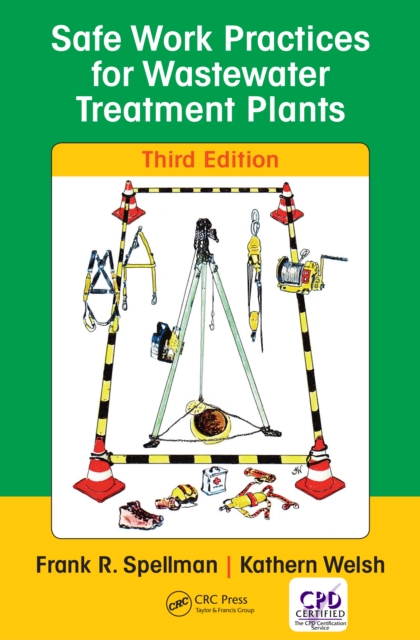
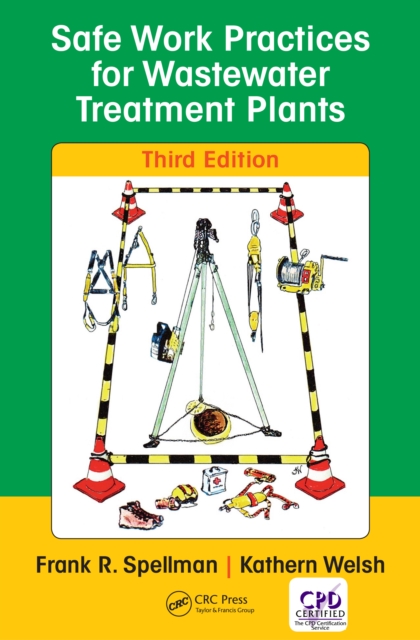
This book details how to start and maintain a successful safety program in a municipal or industrial water or wastewater plant with special emphasis on the practical implementation.
This book details how to start and maintain a successful safety program in a municipal or industrial water or wastewater plant with special emphasis on the practical implementation.
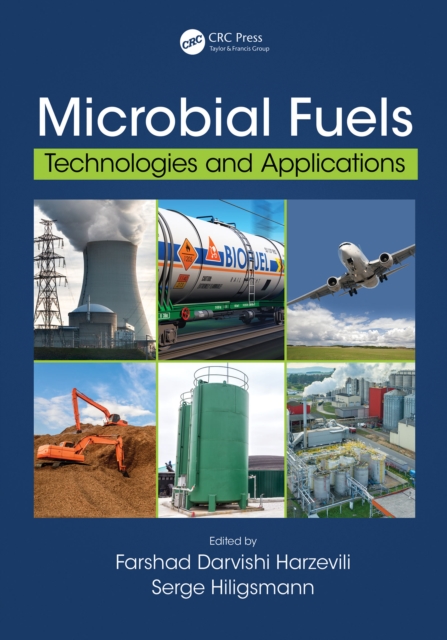
The book will highlight major trends and developments in the field of microbial fuels, with contributions from a number of highly experienced researchers.
The book guides specialists and non-specialists from around the world on how or whether anaerobic processes can be part of solutions for the management of municipal and industrial solid, semi-solid, and liquid residues.
The book guides specialists and non-specialists from around the world on how or whether anaerobic processes can be part of solutions for the management of municipal and industrial solid, semi-solid, and liquid residues.
This book presents of all aspects of storm water management: the hydrologic cycle, sources of contaminants, standards applicable to discharges, regulatory issues, atmospheric deposition, best management practices, and health/environmental impacts.
This book presents of all aspects of storm water management: the hydrologic cycle, sources of contaminants, standards applicable to discharges, regulatory issues, atmospheric deposition, best management practices, and health/environmental impacts.
This book is offered as a practical primer on the hydrometallurgy of nonferrous metal reclamation from industrial wastes, as well as a brief discussion of pyrometallurgy, biological, and other separation processes.
This book is the proceedings of a workshop entitled Effects of Sewage Sludge Quality and Soil Properties on Plant Uptake of Sludge-Applied Trace Constituents, jointly sponsored by the U.
The Mid-Atlantic Industrial and Hazardous Waste Conference is an annual meeting that brings together engineering and science professional from academia, government, and industry.
Biotreatment of Agricultural Wastewater is based on a symposium held in Lake Arrowhead, California in 1986, supported by a coalition of federal, state, and local agencies, and sponsored by the engineering firm of Swanson/Oswald Associates (Lafayette, California) and the research and development firms of Aquasearch, Inc.
Water and wastewater treatment normally take place in a series of continuous flow units, each designed to perform a step of the intended purification process - typically involving coagulation or flocculation, sedimentation or filtration, and disinfection.
Water and wastewater treatment normally take place in a series of continuous flow units, each designed to perform a step of the intended purification process - typically involving coagulation or flocculation, sedimentation or filtration, and disinfection.
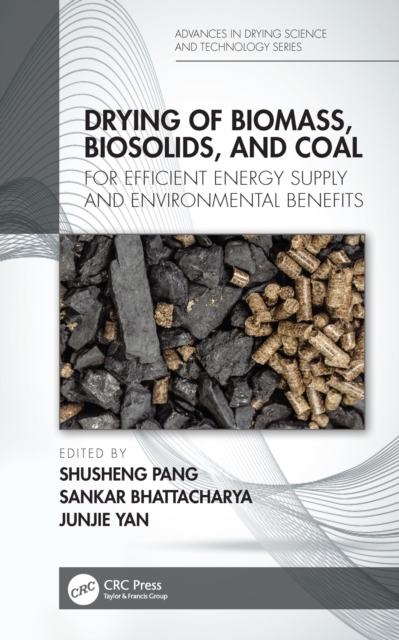
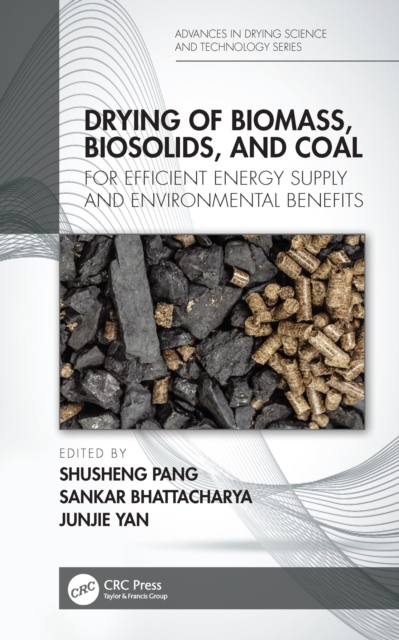
Drying of Biomass, Biosolids, and Coal: For Efficient Energy Supply and Environmental Benefits provides insight into advanced technologies and knowledge of the drying of biomass, biosolids, and coal in terms of improved efficiency, economics, and environmental impact.
Drying of Biomass, Biosolids, and Coal: For Efficient Energy Supply and Environmental Benefits provides insight into advanced technologies and knowledge of the drying of biomass, biosolids, and coal in terms of improved efficiency, economics, and environmental impact.
Offering broad coverage of advanced principals and applications, Control of Heavy Metals in the Environment mini series provides chemical and environmental engineers with the most complete resource available on the remediation of heavy metal contaminants with an emphasis on advanced and alternative approaches.