This book provides a detailed description of metal-complex functionalized carbon allotrope forms, including classic (such as graphite), rare (such as M- or T-carbon), and nanoforms (such as carbon nanotubes, nanodiamonds, etc.
This book addresses the contributions made by analytical chemistry to the characterisation of 18th and early 19th Century English and Welsh porcelains commencing with the earliest reports of Sir Arthur Church and of Herbert Eccles and Bernard Rackham using chemical digestion techniques and concluding with the most recent instrumental experiments, which together span more than a hundred years of study.
Related Title: Laboratory Scientific Glassblowing: Advanced Techniques and Glassblowing's Place in History'If you are interested in learning about glassblowing techniques for scientific glassware, then this book is an incredible opportunity to learn from a master glassblower.
Presenting the fundamental topics in glass science and technology, this concise introduction includes glass formation, crystallization, and phase separation.
Related Title: Laboratory Scientific Glassblowing: Advanced Techniques and Glassblowing's Place in History'If you are interested in learning about glassblowing techniques for scientific glassware, then this book is an incredible opportunity to learn from a master glassblower.
The global ageing society has significantly increased the need for implant materials, which not only replace damaged or lost tissue but are also able to regenerate it.
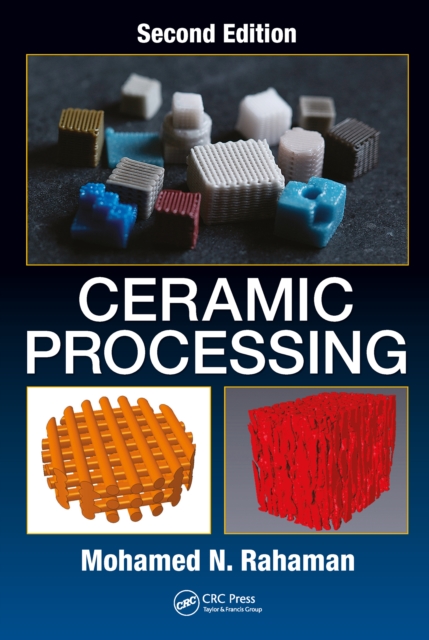
Many of the properties critical to the engineering applications of ceramics are strongly dependent on their microstructure which, in turn, is dependent on the processing methods used to produce the ceramic material.
Many of the properties critical to the engineering applications of ceramics are strongly dependent on their microstructure which, in turn, is dependent on the processing methods used to produce the ceramic material.
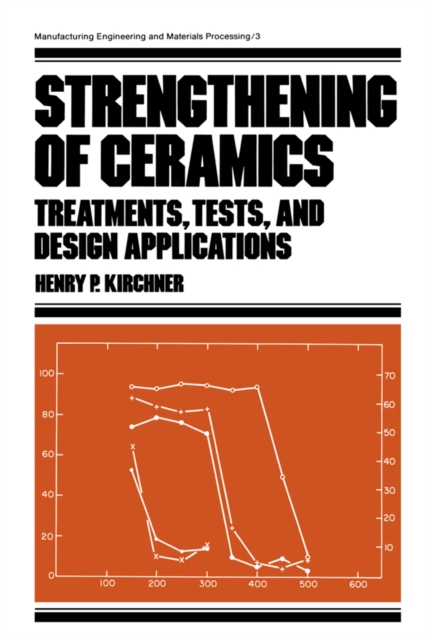
This book presents the descriptions of individual treatments and resulting improvements in the strength of polycrystalline ceramics and oxide single crystals.
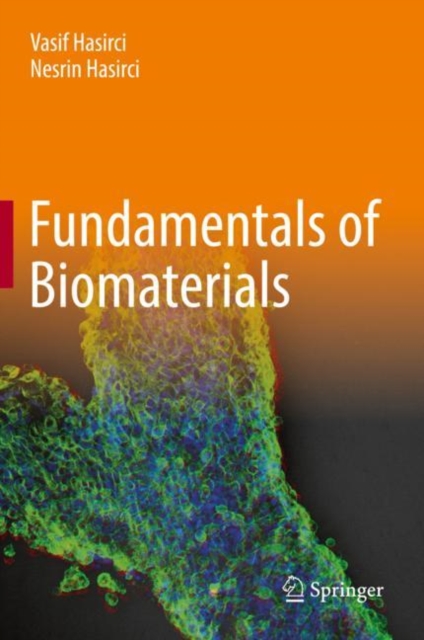
This text for advanced undergraduate and graduate students covers the fundamental relationships between the structure and properties of materials and biological tissues.
This textbook consists primarily of notes by Iain Finnie who taught a popular course on fracture mechanics at the University of California at Berkeley.
This book provides comprehensive coverage of nanocomposite materials obtained by the sol-gel method, from synthesis to applications and including design tools for combining different properties.
The comprehensive volume deals with the manufacturing processes involved in the following Canadian industries: Aluminum, Beef, Brewing, Brick, Detergents, Flat-Drawn Glass, Asbestos-Magnesia Insulation, Iron and Steel, Magazine Publishing, Petroleum, Pulp and Paper, Rubber, Textiles (Cotton), Textiles (Wool), Textiles (Man-Made Fibres), Tobacco, Wire and Cable.
The Third Edition of Ceramic Materials for Electronics studies a wide range of ceramic materials, including insulators, conductors, piezoelectrics, and ferroelectrics, through detailed discussion of their properties, characterization, fabrication, and applications in electronics.
This reference offers an overview of the bulk and surface properties of perovskite-like structures, and provides the latest discussions on the applications of these materials and processes.
As the field's premiere source, this reference is extensively revised and expanded to collect hard-to-find applications, equations, derivations, and examples illustrating the latest developments in ceramic processing technology.
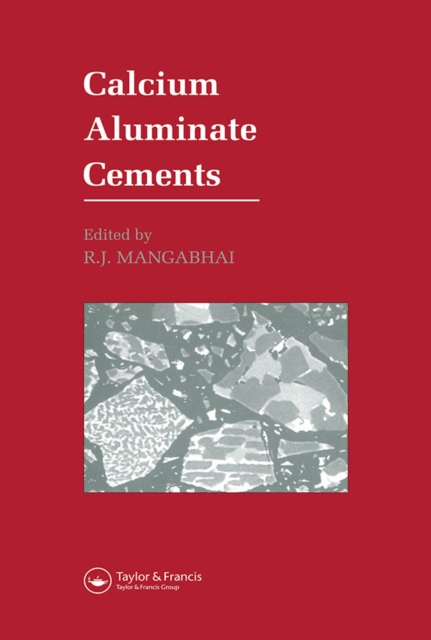
The only book to cover the use of special inorganic cements instead of standard Portland cement in certain specialist applications, such as oil well drilling or in a high temperature location.
Linking theory to practice, this book provides a better fundamental understanding of Portland cement and hydraulic binders which is necessary to make better concrete.
Organic Additives and Ceramic Processing: With Applications in Powder Metallurgy, Ink, and Paint describes the major manufacturing processes, such as slip casting, tape casting, injection molding, etc.
This Volume 13 of the Fracture Mechanics of Ceramics series constitutes the th Proceedings of the 7 International Symposium on the fracture mechanics of ceramics held at the Presidium of the Russian Academy of Sciences, Moscow, Russia on July 20 to 22, 1999.