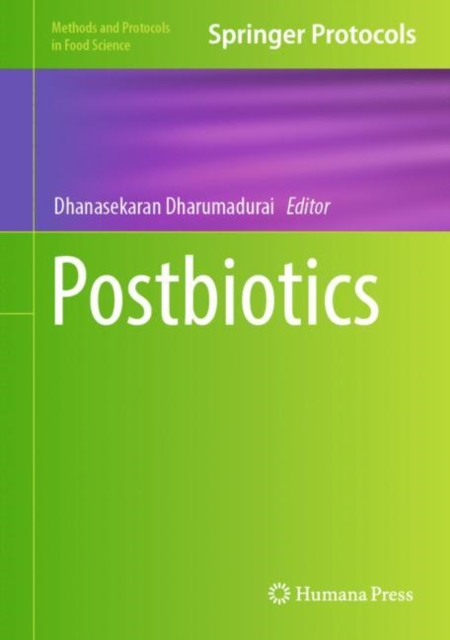
This volume details preparations, separations, identification, analysis of postbiotics types and mechanism, uses of postbiotics in health, pharma, aquacultures, and the food industry.
Dieses klare und übersichtliche Buch bietet einen Einführungskurs in die Sprache des Genklonens und deckt dabei mikrobielle, pflanzliche und Säugetiersysteme ab.
Dieses klare und übersichtliche Buch bietet einen Einführungskurs in die Sprache des Genklonens und deckt dabei mikrobielle, pflanzliche und Säugetiersysteme ab.
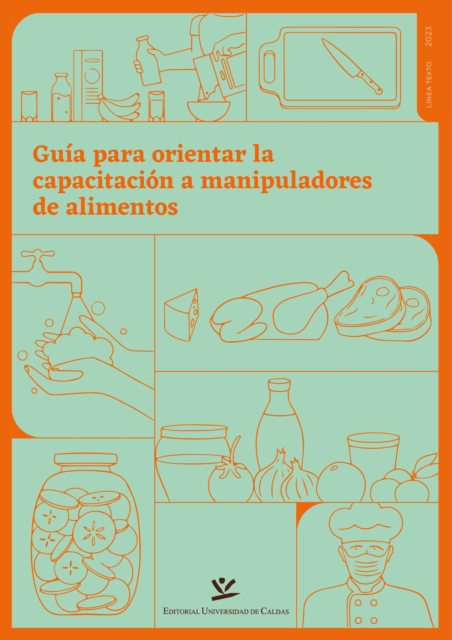
Es importante que los manipuladores de alimentos, quienes se encargan de asegurar la inocuidad del alimento en cada una de las etapas productivas, posean conocimientos adecuados sobre las condiciones higiénicas - sanitarias que deben cumplir en su lugar de trabajo, con el fin de minimizar el riesgo de contaminación de los alimentos.
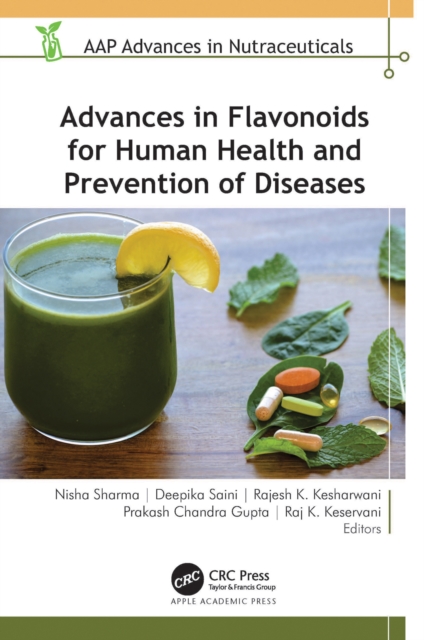
In response to the recent upsurge of interest in the therapeutic potential of medicinal plants, with their promising phenolic compounds, this new book offers an important overview of advances in the applications of flavonoids for health.
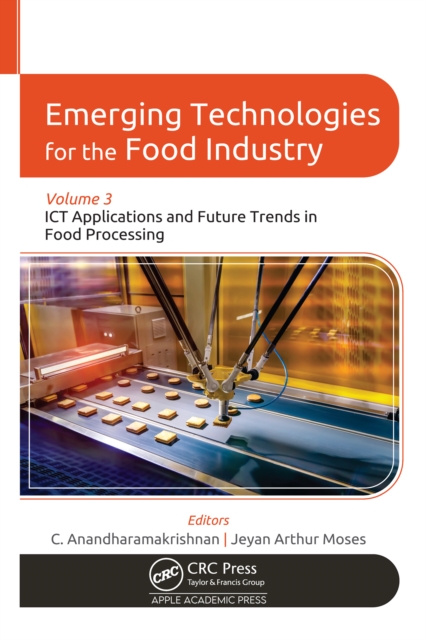
With changing consumer preferences and the focus on developing resilient food systems, food processing is finding its place in key policies, government interventions, global trade, and the overall food and nutritional security.
In response to the recent upsurge of interest in the therapeutic potential of medicinal plants, with their promising phenolic compounds, this new book offers an important overview of advances in the applications of flavonoids for health.
While modern food production has become increasingly efficient in providing a wide range of convenient and affordable products, individuals struggling with gluten intolerance, FODMAP intolerance, and intolerance to food additives are an exception when their health conditions limit the foods they can safely eat.
En estas páginas, un gran experto en vinos explica cómo escoger el «vino preciso», aquel que, en función de sus características y del plato que vayáis a degustar, os provoque más buenas vibraciones, y que esté más en consonancia con vuestra alma; casi como si se tratara de un traje a medida.
En estas páginas, un gran experto en vinos explica cómo escoger el «vino preciso», aquel que, en función de sus características y del plato que vayáis a degustar, os provoque más buenas vibraciones, y que esté más en consonancia con vuestra alma; casi como si se tratara de un traje a medida.
Although today's kitchens are crammed full of 'useful' appliances, few people seem to know how to operate them in even the most basic way, let alone make the most of them.
*SHORTLISTED FOR THE FORTNUM & MASON FOOD AND DRINK AWARDS 2017 'DEBUT DRINK BOOK' CATEGORY*When you look at your breakfast cup of coffee and breathe in its gorgeous aromas, you're at the final stage - delightful for you - of an incredibly complicated process.
Oz Clarke, Britain's favourite wine writer and broadcaster, is absolutely in tune with what wine drinkers want today - flavour, individuality, excellent value for money and wines that are readily available.
For thousands of years, from its origins in ancient Mesopotamia to its current status as a global industry, the history of wine has been directly related to major social, cultural, religious and economic changes.
The application of microwaves has been a major advancement in food processing over the past 50 years, and yet to date there have been very few publications focusing exclusively on microwave processing and none covering the latest technological and theoretical advances.
Advances in Food and Nutrition Research, Volume 107 provides the latest advances on emerging bioactive compounds with putative health benefits and their controlled release and application in foods and nutraceuticals, as well as information on food technologies, including 3D printing, safety of raw materials, and viruses in foods.
Advances in Food and Nutrition Research, Volume 107 provides the latest advances on emerging bioactive compounds with putative health benefits and their controlled release and application in foods and nutraceuticals, as well as information on food technologies, including 3D printing, safety of raw materials, and viruses in foods.
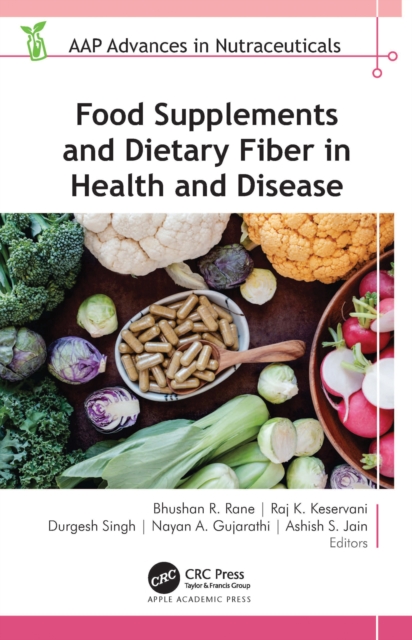
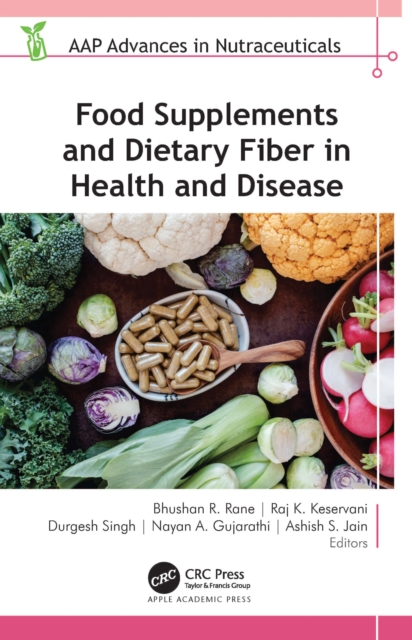
Here is an in-depth and informative introduction to dietary fibers and food supplements, elaborating on their uses and benefits in the prevention and treatment of such health issues and diseases as diabetes, obesity, coronary heart disease, colorectal and other types of cancer, and gut health.
Here is an in-depth and informative introduction to dietary fibers and food supplements, elaborating on their uses and benefits in the prevention and treatment of such health issues and diseases as diabetes, obesity, coronary heart disease, colorectal and other types of cancer, and gut health.
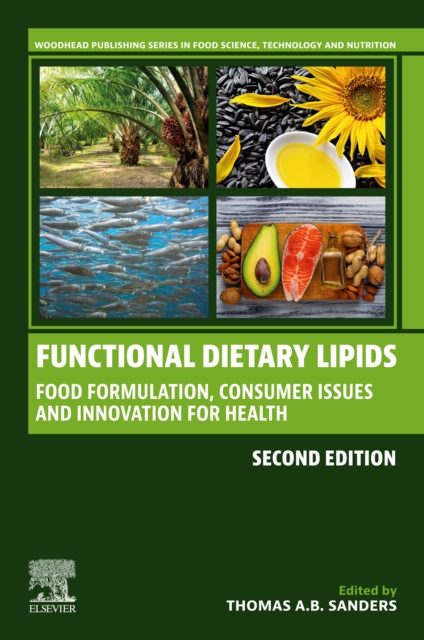
Functional Dietary Lipids: Food Formulation, Consumer Issues and Innovation for Health, Second Edition discusses this important component of the human diet and the ways it plays an essential functional role.
Functional Dietary Lipids: Food Formulation, Consumer Issues and Innovation for Health, Second Edition discusses this important component of the human diet and the ways it plays an essential functional role.
This class-tested textbook gives an overview of the structure and functions of proteins and explains how amino acids form a defined structural entity with specific properties.
Medicinal and aromatic crops (MACs) are high-value crops since the natural products obtained from them are low-volume high-value commodities that have numerous applications in various sectors such as the food, beverage, food supplement, flavor and fragrance, perfumery and cosmetics, pharmaceutical and aromatherapy industries.
Taking a multidisciplinary approach, this book focuses on recent milestones in basic and applied mycology, focusing on many and diverse applications in the agricultural, food, and biofuel sectors.
Taking a multidisciplinary approach, this book focuses on recent milestones in basic and applied mycology, focusing on many and diverse applications in the agricultural, food, and biofuel sectors.
This book provides an interdisciplinary examination of Peruvian cuisine's shift from a culinary to a political object and the making of Peru as a food nation on the global stage.
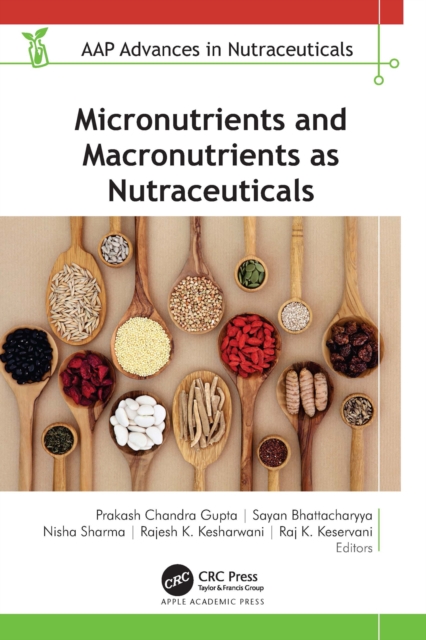
This new volume explains in detail the properties of micronutrients and macronutrients and their diverse uses as nutraceuticals for their beneficial properties, such as their antioxidant activity and immunity-boosting properties and how they can be incorporated into the human diet for optimum health, for growing beneficial bacteria in the gut, and inhibition of pathogens.
This volume details preparations, separations, identification, analysis of postbiotics types and mechanism, uses of postbiotics in health, pharma, aquacultures, and the food industry.
Data Science for Sensory and Consumer Scientists is a comprehensive textbook that provides a practical guide to using data science in the field of sensory and consumer science through real-world applications.
Smart Food Industry: The Blockchain for Sustainable Engineering, Volume I - Fundamentals, Technologies, and Management is a comprehensive overview of the current state of knowledge about food engineering and processing, under sustainable engineering perspective.
Con este libro se pretende brindar una experiencia que sumerja al lector en cada una de las particularidades, características e interacciones de las actividades relacionadas con la producción de panela vistas a través de las labores aprendidas en el saber-hacer y en el arraigo cultural de los productores asociados a Asocamp.
Make sure your beef harvest, production, and processing methods meet the highest standards Handbook of Beef Safety and Quality is a comprehensive guide to the impact and importance of pre-harvest/production, harvest, and further processing controls, methods and practices on safety and qualitywith commodity beef as the target market.
Medicinal and aromatic crops (MACs) are high-value crops since the natural products obtained from them are low-volume high-value commodities that have numerous applications in various sectors such as the food, beverage, food supplement, flavor and fragrance, perfumery and cosmetics, pharmaceutical and aromatherapy industries.
The demands of producing high-quality, pathogen-free food rely increasingly on natural sources of antimicrobials to inhibit food spoilage organisms, foodborne pathogens, and toxins.
The demands of producing high-quality, pathogen-free food rely increasingly on natural sources of antimicrobials to inhibit food spoilage organisms, foodborne pathogens, and toxins.
Biosystems engineering as an integrated science combines the fields of engineering design and analysis with biological sciences to provide solutions for food production and processing problems.