Divided into the three main sections of synthesis, analysis and drug development, this handbook covers all stages of the drug development process, including large-scale synthesis and purification of chirally pure pharmaceuticals.
In this new edition of a bestseller, all the contents have been updated and new material has been added, especially in the areas of toxicity testing and high throughput analysis.
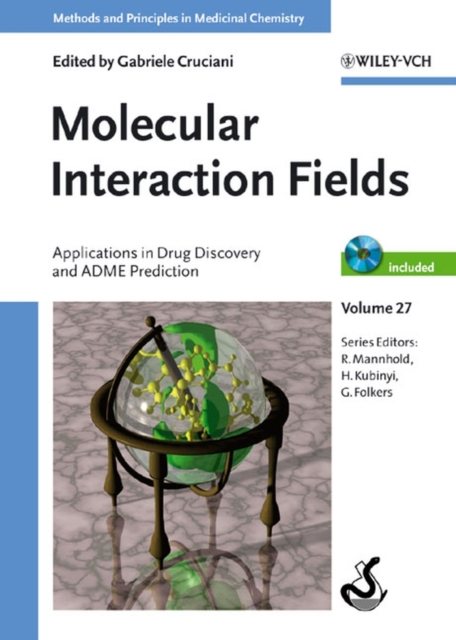
This unique reference source, edited by the world's most respected expert on molecular interaction field software, covers all relevant principles of the GRID force field and its applications in medicinal chemistry.
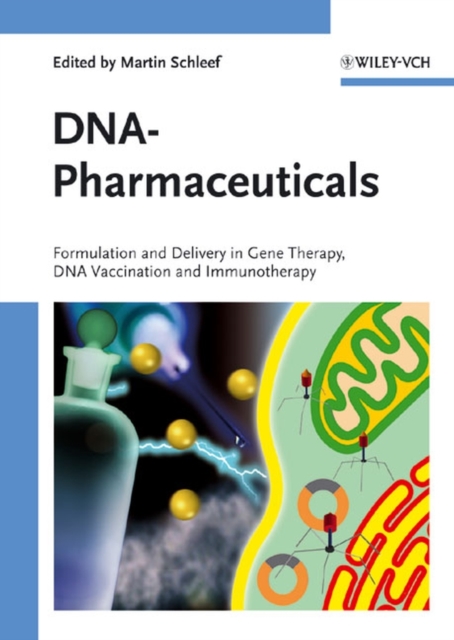
With its focus on a completely novel class of pharmaceuticals, this book collates the hitherto scarce literature about DNA drug formulation keenly desired by biotechnologists, molecular biologists and pharmacists, as well as those working in the biotechnological and pharmaceutical industries.
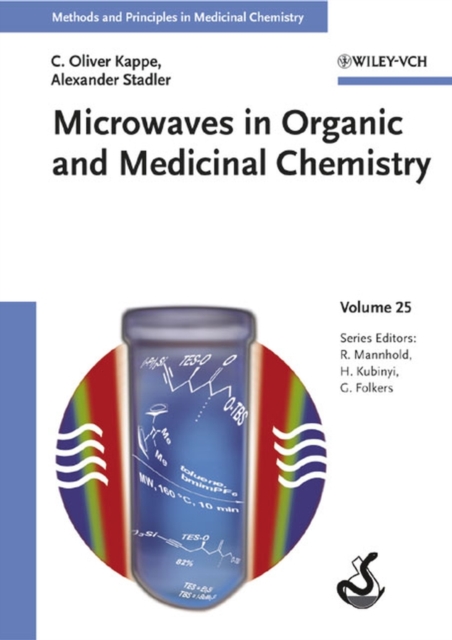
The authors of this guide are experts on the use of microwaves for drug synthesis as well as having much experience in teaching courses held under the auspices of the American Chemical Society and the IUPAC.
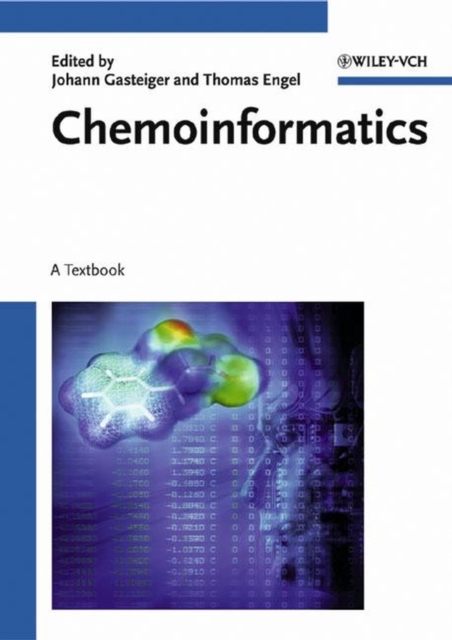
This first work to be devoted entirely to this increasingly important field, the "e;Textbook"e; provides both an in-depth and comprehensive overview of this exciting new area.
Adopting a practical approach, the authors provide a detailed interpretation of the existing regulations (GMP, ICH), while also discussing the appropriate calculations, parameters and tests.
Chemogenomics brings together the most powerful concepts in modern chemistry and biology, linking combinatorial chemistry with genomics and proteomics.
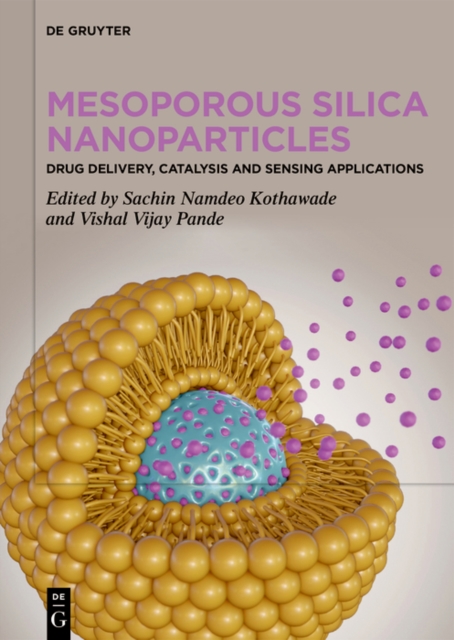
Mesoporous silica comprehensively covers the importance and applications of mesoporous silica nanoparticles in the field of nanoscience and nanotechnology.
This two volume book is an excellent introduction to this interdisciplinary area, lying on the interface between organic chemistry, biochemistry and medicine.
Formulations starts with a general introduction, explaining interaction forces between particles and droplets, self-assembly systems, polymeric surfactants and nanoemulsions.
Formulations starts with a general introduction, explaining interaction forces between particles and droplets, self-assembly systems, polymeric surfactants and nanoemulsions.
Therapeutic properties of bamboo have been known since ancient times as a part of several traditional systems of medicine and folk remedies in different parts of the world.
Fluorine chemistry is an expanding area of research that is attracting international interest, due to the impact of fluorine in drug discovery and in clinical and molecular imaging (e.
Nanotechnology-based therapeutics, operating at scales of billionths of a metre, have great potential for future expansion in altering the scale and methods of drug delivery.
With the appearance of methods for the sequencing of genomes and less expensive next generation sequencing methods, we face rapid advancements of the -omics technologies and plant biology studies: reverse and forward genetics, functional genomics, transcriptomics, proteomics, metabolomics, the movement at distance of effectors and structural biology.
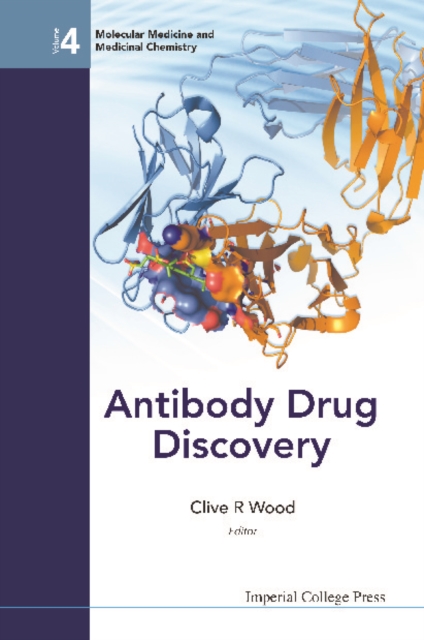
Monoclonal antibodies have become important treatments for cancer, inflammation and a wide range of other diseases, representing an increasing share of the most successful pharmaceutical markets.
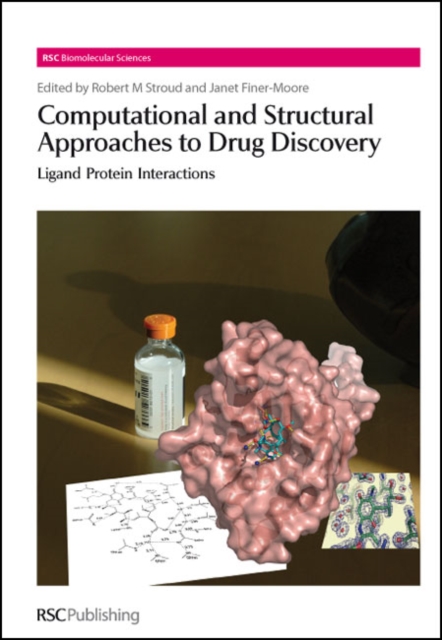
Computational methods impact all aspects of modern drug discovery and most notably these methods move rapidly from academic exercises to becoming drugs in clinical trials.
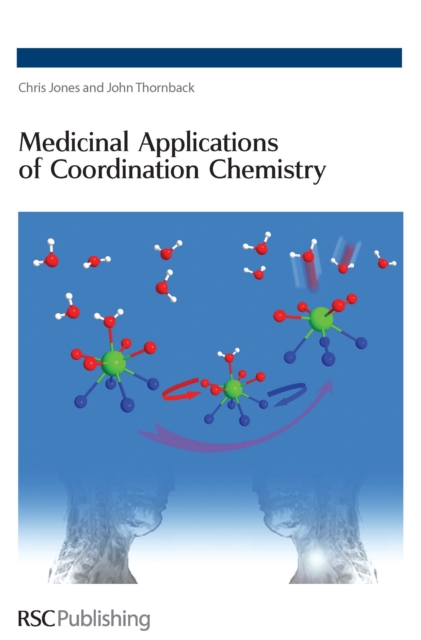
Metals in pharmaceuticals have played an increasingly important role in medicine over the last century, particularly in cancer therapy and diagnostic imaging methods.
The binding of antibiotics and drugs to DNA is a fast developing area of research with important applications in medicine, particularly the treatment of cancer.
Structure-based drug discovery is a collection of methods that exploits the ability to determine and analyse the three dimensional structure of biological molecules.
Metal-based drugs are a commercially important sector of the pharmaceutical business, yet most bioinorganic textbooks lack the space to cover comprehensively the subject of metals in medicine.
In 1900 only a handful of drugs (morphine, quinine, aspirin, etc) had genuine efficacy but had little value for bacterial or viral infections or cancer.
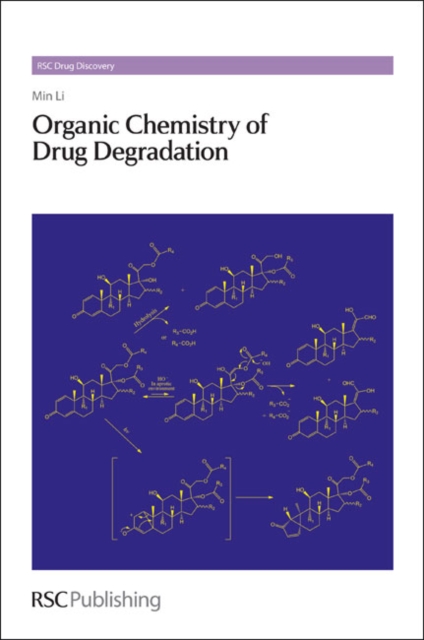
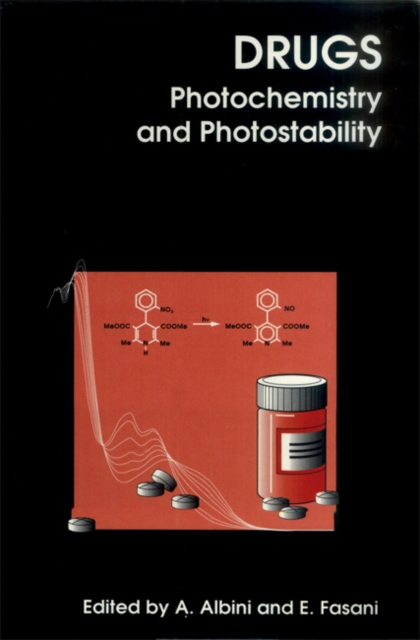
Since Pasteur in 1846, scientists have been aware that many drugs are photoreactive, but until recently research in this area had been somewhat limited.
Despite advances in the development of new drugs, a drug may never reach the target organ, or it may be difficult to achieve the necessary level of drug in the body.
During the past decade, the importance of amorphous water-soluble substances has been increasingly recognised within the food and pharmaceutical industries.
Drug repurposing is the development of existing drugs for new uses: given that 9 in 10 drugs that enter drug development are never marketed and therefore represent wasted effort, it is an attractive as well as inherently more efficient process.
Drug repurposing is the development of existing drugs for new uses: given that 9 in 10 drugs that enter drug development are never marketed and therefore represent wasted effort, it is an attractive as well as inherently more efficient process.
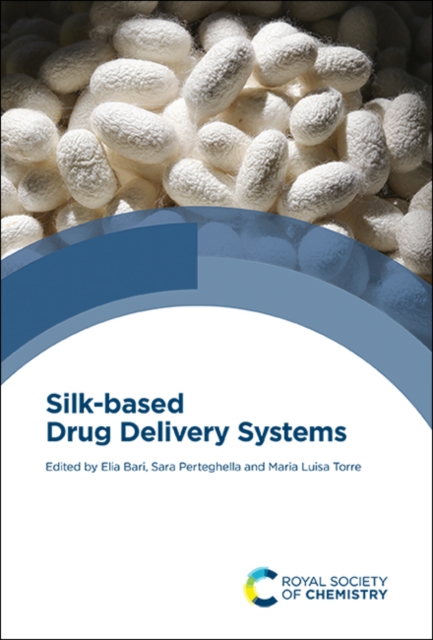
Silk proteins show excellent biocompatibility, controllable biodegradability and non-immunogenicity, and as such are studied extensively worldwide for biomedical applications.
Silk proteins show excellent biocompatibility, controllable biodegradability and non-immunogenicity, and as such are studied extensively worldwide for biomedical applications.
Smart drug delivery refers to a targeted drug delivery or precision drug delivery system that allows drugs to be administered to a specific location in the body or at a specific time with enhanced precision and control.