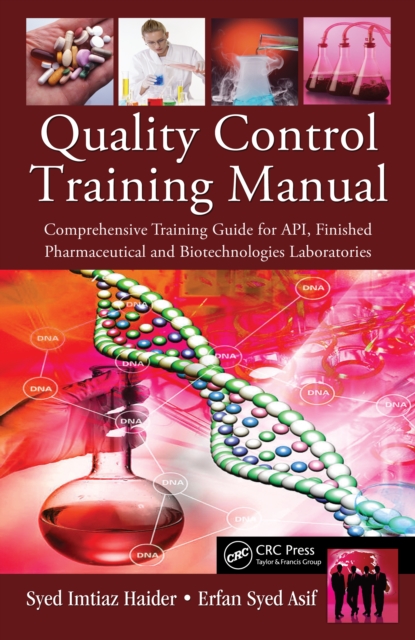
Written to help companies comply with GMP, GLP, and validation requirements imposed by the FDA and regulatory bodies worldwide, Quality Control Training Manual: Comprehensive Training Guide for API, Finished Pharmaceutical and Biotechnologies Laboratories presents cost-effective training courses that cover how to apply advances in the life sciences to produce commercially viable biotech products and services in terms of quality, safety, and efficacy.
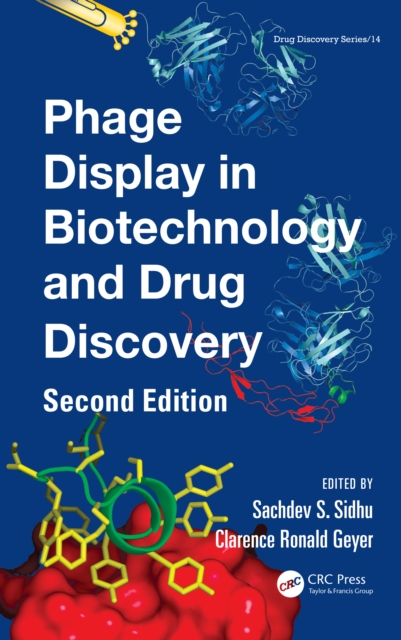
Phage Display in Biotechnology and Drug Discovery, Second Edition provides a comprehensive view of the impact and promise of phage display in drug discovery and biotechnology.
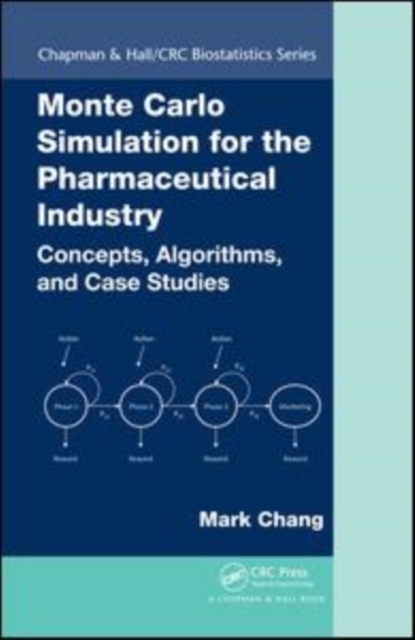
Helping you become a creative, logical thinker and skillful "e;simulator,"e; Monte Carlo Simulation for the Pharmaceutical Industry: Concepts, Algorithms, and Case Studies provides broad coverage of the entire drug development process, from drug discovery to preclinical and clinical trial aspects to commercialization.
The preparation of sterile products using aseptic processing is considered perhaps the most critical process in the pharmaceutical industry and has witnessed continual improvement over the last half century.
Oligonucleotides represent one of the most significant pharmaceutical breakthroughs in recent years, showing great promise as diagnostic and therapeutic agents for malignant tumors, cardiovascular disease, diabetes, viral infections, and many other degenerative disorders.
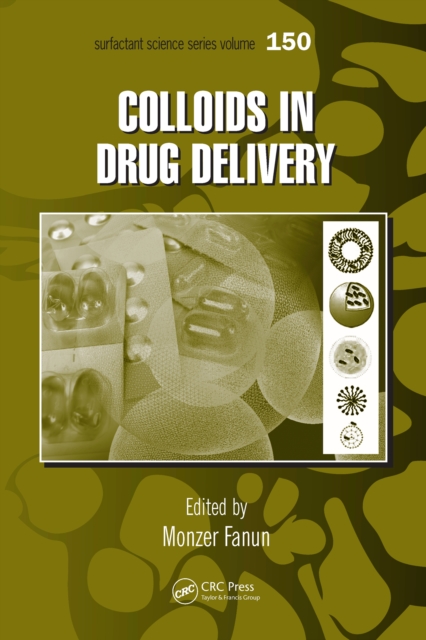
Colloidal drug delivery systems present a range of therapeutic benefits in the treatment of a number of challenging conditions, allowing researchers to cross barriers that have previously prevented efficient treatment while offering improved and more targeted absorption.
The activity of many biopharmaceutical polymers is dependent on conformation, and the next several years will see increased interest in the conformational analysis of these polymers resulting from the development of biosimilar or "e;follow-on"e; biological products.
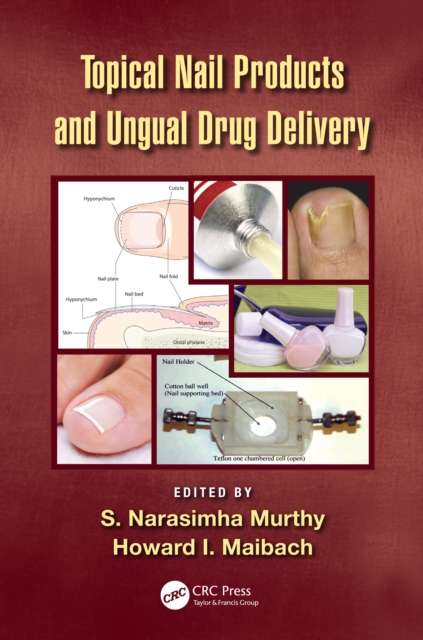
Discussing existing techniques, ongoing research, new approaches, and basic concepts in the treatment of nail diseases, Topical Nail Products and Ungual Drug Delivery summarizes the current knowledge and represents a jumping-off point for creating novel techniques of drug delivery across the nail.
Orchids are fascinating ornamental flowers with a huge market both as cut flowers and potted plants, but they are also used in the traditional medicine system as they can be rich in phytochemicals with exceptional medicinal properties.
Site-specific drug delivery and targeting attracts much research interest from both academia and industry, but because of the many challenges faced in the development of these systems, only a handful of targeted therapies have successfully made it into clinical practice.
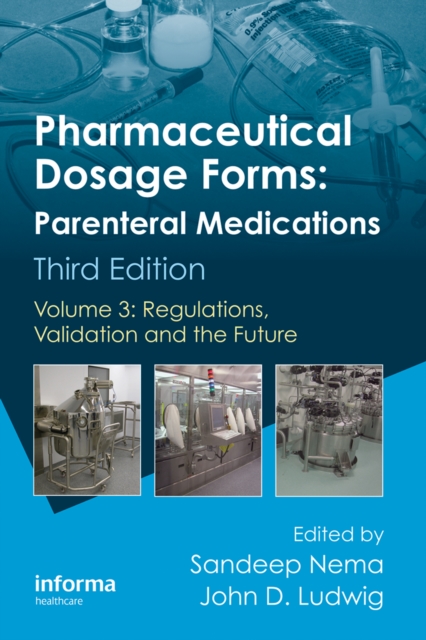
This three-volume set of Pharmaceutical Dosage Forms: Parenteral Medications is an authoritative, comprehensive reference work on the formulation and manufacture of parenteral dosage forms, effectively balancing theoretical considerations with the practical aspects of their development.
In this era of increased pharmaceutical industry competition, success for generic drug companies is dependent on their ability to manufacture therapeutic-equivalent drug products in an economical and timely manner, while also being cognizant of patent infringement and other legal and regulatory concerns.
A major new work on all aspects of water, the most used raw material ingredient in the pharmaceutical and biotechnology industries-used as an excipient in pharmaceutical formulations, as a cleaning agent, and as a separately packaged product diluent.
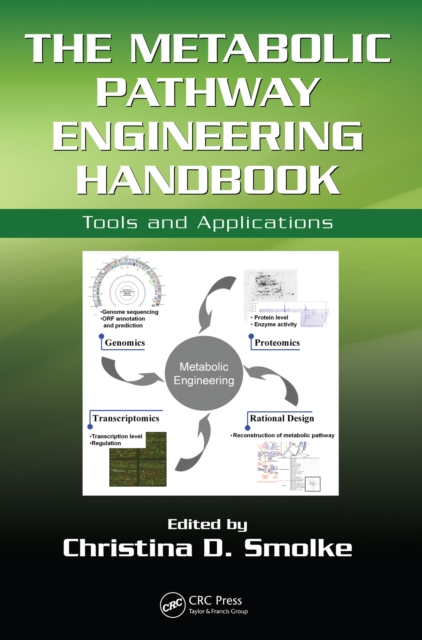
This second volume of the Metabolic Pathway Engineering Handbook delves into evolutionary tools and gene expression tools for metabolic pathway engineering.
Compaction of powder constituents-both active ingredient and excipients-is examined to ensure consistent and reproducible disintegration and dispersion profiles.
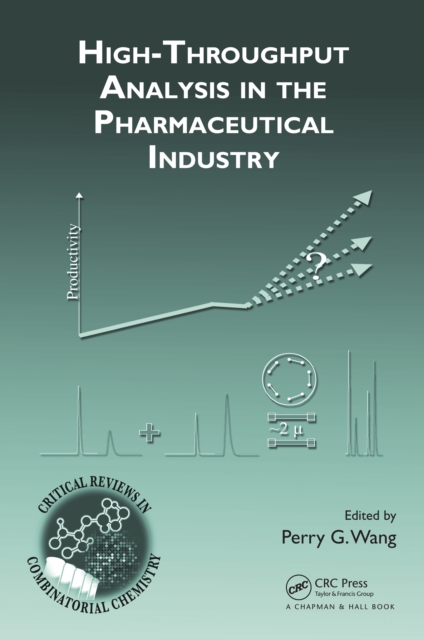
Advances in genomics and combinatorial chemistry during the past two decades inspired innovative technologies and changes in the discovery and pre-clinical development paradigm with the goal of accelerating the process of bringing therapeutic drugs to market.
Pharmaceutical Preformulation and Formulation: A Practical Guide from Candidate Drug Selection to Commercial Dosage Form reflects the mounting pressure on pharmaceutical companies to accelerate the new drug development and launch process, as well as the shift from developing small molecules to the growth of biopharmaceuticals.
Anemones and fish, ants and acacia trees, fungus and trees, buffaloes and oxpeckers--each of these unlikely duos is an inimitable partnership in which the species' coexistence is mutually beneficial.
Used in the production of a wide number of fine chemicals and pharmaceuticals, the Friedel-Crafts acylation reaction represents a synthetic process of great interest to organic chemists of academia and industry.
With over 100 illustrations, Volume 1 addresses the core disciplines of pharmaceutics (absorption, PK, excipients, tablet dosage forms, and packaging), and explores the challenges and paradigms of pharmaceutics.
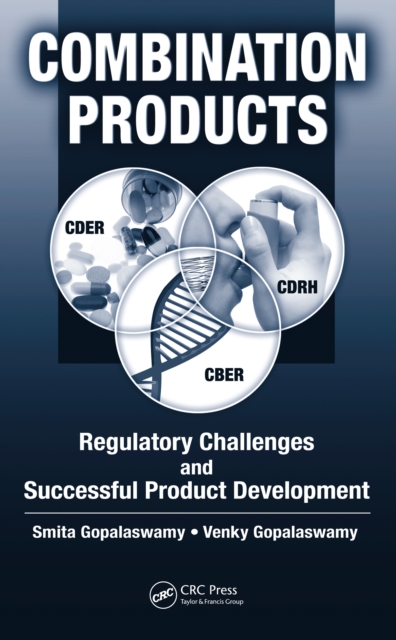
The field of combination product development (products born of the integration of medical devices, biologics, and drugs) is so new that, while literature abounds on each part individually, there are very few publications, including FDA documents, available concerning the unique challenges posed by this nascent but fast-growing area.
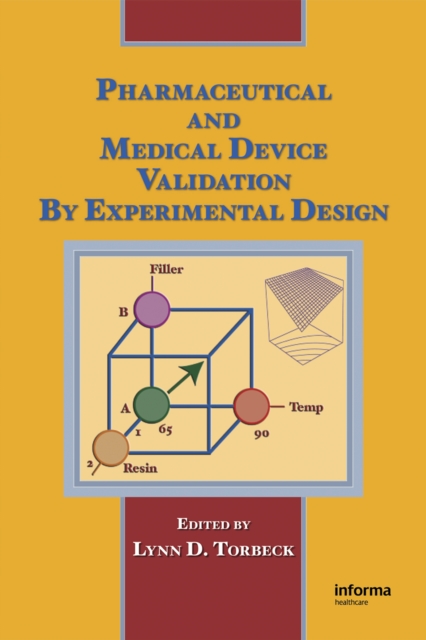
This title demonstrates how designed experiments are the most scientific, efficient, and cost effective method of data collection for validation in a laboratory setting.
Touted as the new darling of the chemical industry, alkyl polyglycosides are gaining in popularity due to the fact that they are readily biodegradable, low-toxic, and made from renewable resources.
Neurodegenerative diseases affect millions of people worldwide and are a group of several diseases with distinct pathology, physiology, prevention, and treatment strategies.
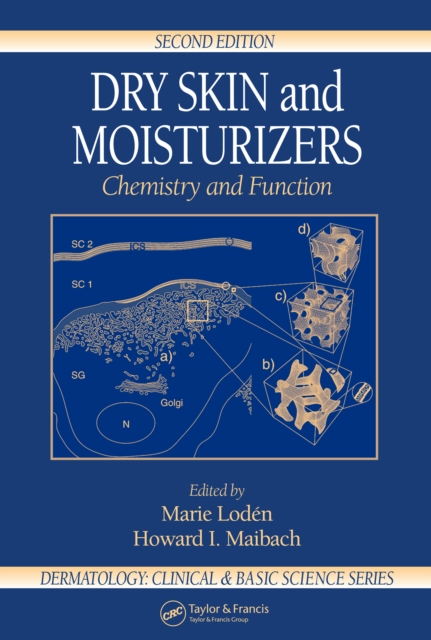
The previous edition of Dry Skin and Moisturizers: Chemistry and Function was the first book devoted to all aspects of moisturizers, a subject often given short shrift in dermatology texts.
Carefully crafted to provide tightly focused and authoritative information, the Directory of Therapeutic Enzymes covers all approved therapeutic enzymes currently used in medicine.
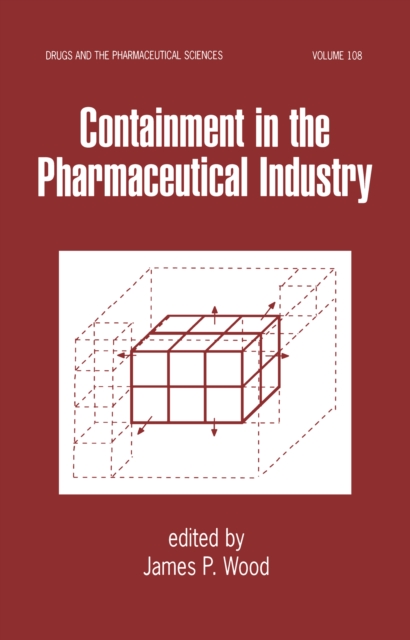
Delivering an encompassing overview of the factors, varieties, and applications determining product containment, this concise reference provides authoritative information on containment processes.
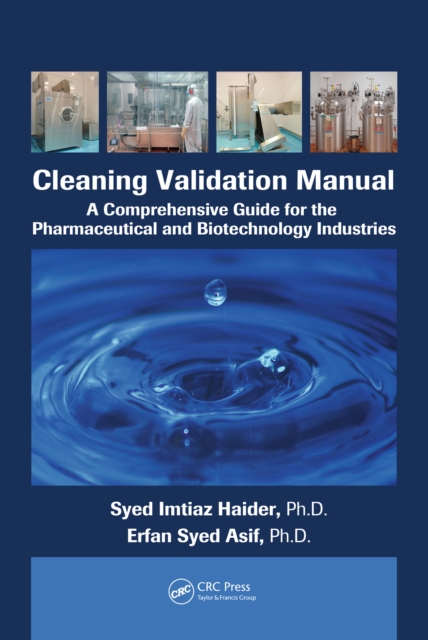
Written by an expert for those who must design validatable cleaning processes and then validate those processes, this book discusses interdependent topics from various technical areas and disciplines.
Often considered a necessary evil by the pharmaceutical industry, validation is still understood by many as unrestrained bureaucracy, paperwork, and procedures whose roots and logic are obscure and only serve to slow down progress.
Specifically written to meet the needs of the cosmetic chemist and engineer, this reference outlines the latest technologies and issues pertinent to the development novel skin care products including advances in formulation and development, raw materials and active ingredients, compound testing, and clinical assessment.
This source expertly examines the discovery, biological structure, control, and continued clarification of endotoxin from a parenteral manufacturing perspective, with in-depth discussion of state-of-the-art technologies involving Limulus amebocyte lysate (LAL) such as assay development, automation, depyrogenation.
Sterile Drug Products: Formulation, Packaging, Manufacturing, and Quality teaches the basic principles of the development and manufacture of high quality sterile dosage forms.
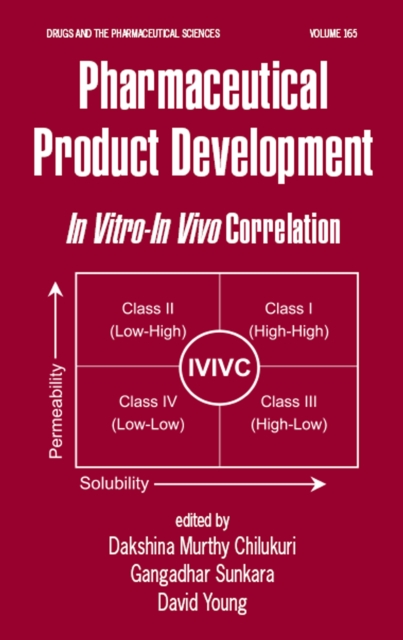
The ultimate goal of drug product development is to design a system that maximizes the therapeutic potential of the drug substance and facilitates its access to patients.
During the last two decades, the pharmaceutical industry has been under pressure to reduce development costs and the time needed to bring drugs to market in order to maximize return on investment and bring treatments to patients sooner.