Topical and transdermal drug delivery systems (TDDs) have several advantages over traditional drug delivery methods, as they can be less invasive, more sanitary, more cost-effective, and may result in better patient compliance.
Natural Products (NPs) is the term used to describe the hundreds of thousands of chemical compounds or substances that are continually produced by living organisms (plants and microbes).
Microfluidics is a young and rapidly expanding scientific discipline, which deals with fluids and solutions in miniaturized systems, the so-called lab-on-a-chip systems.
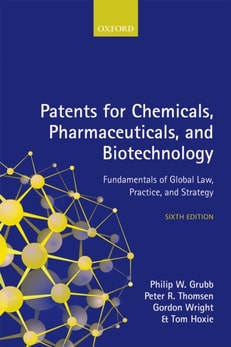
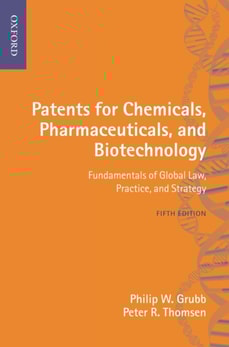
Patents for Chemicals, Pharmaceuticals and Biotechnology is the established and highly-acclaimed introduction to patent law and practice, guiding the reader through the legal and procedural complexities of the British, European, Japanese, and United States patent systems.
Patents for Chemicals, Pharmaceuticals and Biotechnology is the established and highly-acclaimed introduction to patent law and practice, guiding the reader through the legal and procedural complexities of the British, European, Japanese, and United States patent systems.
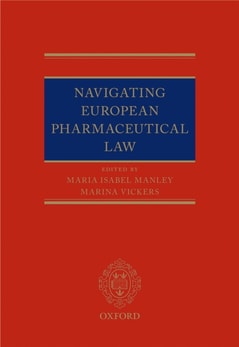
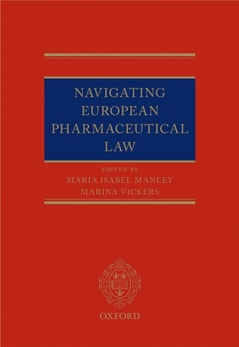
European pharmaceutical law can be a minefield, due to the peculiarities of the European single market, the complexity of contemporary issues, and the rapid pace of scientific advancement.
European pharmaceutical law can be a minefield, due to the peculiarities of the European single market, the complexity of contemporary issues, and the rapid pace of scientific advancement.
The chemicals, pharmaceuticals and biotechnology industries worldwide rely upon being able to patent inventions in order to protect investment in research and development, and to reap commercial rewards.
Despite the phenomenal clinical success of antibody-based biopharmaceuticals in recent years, discovery and development of these novel biomedicines remains a costly, time-consuming, and risky endeavor with low probability of success.
Natural Products and Drug Discovery: An Integrated Approach provides an applied overview of the field, from traditional medicinal targets, to cutting-edge molecular techniques.
Inhaled Pharmaceutical Product Development Perspectives: Challenges and Opportunities describes methods and procedures for consideration when developing inhaled pharmaceuticals, while commenting on product development strategies and their suitability to support regulatory submission.
With the appearance of methods for the sequencing of genomes and less expensive next generation sequencing methods, we face rapid advancements of the -omics technologies and plant biology studies: reverse and forward genetics, functional genomics, transcriptomics, proteomics, metabolomics, the movement at distance of effectors and structural biology.
Organic Synthesis Using Biocatalysis provides a concise background on the application of biocatalysis for the synthesis of organic compounds, including the important biocatalytic reactions and application of biocatalysis for the synthesis of organic compounds in pharmaceutical and non-pharmaceutical areas.
Handbook of Medicinal Plants of the World for Aging: Botany, Ethnopharmacology, Natural Products, and Molecular Pathways provides an unprecedented comprehensive overview of more than 100 plants used globally as medicine with the potential to prevent premature aging.
Pharmacology in Drug Discovery: Understanding Drug Response is designed for all students, recent graduates, and new researchers in the pharmaceutical and biotechnology industries who need to interpret change in physiology induced by a chemical substance.
Natural Products and Drug Discovery: An Integrated Approach provides an applied overview of the field, from traditional medicinal targets, to cutting-edge molecular techniques.
Specification of Drug Substances and Products: Development and Validation of Analytical Methods is a comprehensive and critical analysis of the requirements and approaches to setting specifications for new pharmaceutical products, with an emphasis on phase-appropriate development and validation of analytical methods.
Acacias: The Genus Acacia (sensu lato) is an evidence-based treatment of this supergenus, through the eyes of a clinical pharmacognosist and integrative medicine specialist.
Reward Deficit Disorders is written for researchers in both academia and the pharmaceutical industry who use animal models in research and development of drugs for reward deficit disorders such as alcohol dependence, nicotine dependence, heroin and cocaine addiction, obesity, and gambling and impulse control disorders.
Analytical instrumentation is crucial to research in molecular biology, medicine, geology, food science, materials science, forensics, and many other fields.
Health care today is known to suffer from siloed and fragmented data, delayed clinical communications, and disparate workflow tools due to the lack of interoperability caused by vendor-locked health care systems, lack of trust among data holders, and security/privacy concerns regarding data sharing.
This fully updated new edition presents organic reaction mechanism questions, carefully selected from the primary chemical literature, to understand how reactants are transformed into products.
Volume 1: Strategies for Therapeutic Cancer Vaccine Development deals with strategies of cancer vaccine development, focussing on the techniques for the development of therapeutic cancer vaccines and the role of tumor antigens, proteins/peptides, microbial genes, and stem cells for the development of vaccines for cancer management.
Orchids are fascinating ornamental flowers with a huge market both as cut flowers and potted plants, but they are also used in the traditional medicine system as they can be rich in phytochemicals with exceptional medicinal properties.
Natural HDAC Inhibitors for Epigenetic Combating of Cancer Progression deals only with HDAC inhibitors from natural origins including bacteria, fungi, marine organisms and, notably, from diverse plant sources.
This new book takes an in-depth look at the emerging and prospective field of computational biology and bioinformatics, which possesses the ability to analyze large accumulated biological data collected from sequence analysis of proteins and genes and cell population with an aim to make new predictions pertaining to drug discovery and new biology.
This book explores the potential role of prebiotics, probiotics, and synbiotics in managing various metabolic disorders, chronic diseases, and metabolic syndromes.
Novel Phytopharmaceutical for Management of Disorders covers recent advances surrounding phytopharmaceuticals and their potential uses in the management of several disorders as well as in cosmetic benefits.
This new 2-volume set aims to share and preserve ethnic and traditional knowledge of herbal medicine and treatments, while also emphasizing the link between biodiversity, human nutrition, and food security.
Drying of Aromatic Plant Material for Natural Perfumes provides readers with a deep understanding of the fascinating world of aromatic plants, drying, extraction and perfumery.
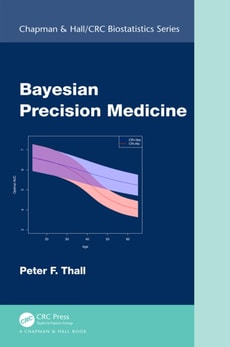
Bayesian Precision Medicine presents modern Bayesian statistical models and methods for identifying treatments tailored to individual patients using their prognostic variables and predictive biomarkers.
Biotechnology is one of the fastest emerging fields that has attracted attention of conventional biologists, biochemists, microbiologists, medical and agricultural scientists.
The term nutraceuticals is applied to the products isolated from the herbal sources, nutrients or dietary supplements, processed foods, (cereals, soup and beverages) and specific diets, that may also used as medicine other than nutrition.
This state-of-the-art text describes the science behind the system and drug-dependent components of PBPK models, its applications in translational and regulatory science, e.
The genus Cordyceps and allied species, such as entomopathogenic fungi, mainly parasitize insects and other arthropods and have been known since ancient times.
This book covers the morphological characteristics, ethnopharmacological properties, isolated and identified structurally diverse secondary metabolites, biological and pharmacological activities of medicinal plants.
Medical Affairs is one of the three strategic pillars of the pharmaceutical and MedTech industries, but while clear career paths exist for Commercial and Research and Development, there is no formal training structure for Medical Affairs professionals.
Introducing Smart Nanocarrier for Effective Drug Delivery-a pioneering guide that delves into the realm of nanotechnology and its revolutionary impact on drug delivery systems.
This new volume delves into the extensive new research on inflammatory bowel disease (IBD) and gut microbiota that has led to effective therapeutic interventions.
This reference book provides a comprehensive overview of models and therapeutic approaches against neurodegenerative diseases, including Parkinson's disease, Alzheimer's disease, Huntington's disease, and amyotrophic lateral sclerosis.