Conducting Polymer-Based Nanocomposites: Fundamentals and Applications delivers an up-to-date overview on cutting-edge advancements in the field of nanocomposites derived from conjugated polymeric matrices.
Polyhedral Oligomeric Silsesquioxane (POSS) Polymer Nanocomposites: From Synthesis to Applications offers extensive coverage of polyhedral oligomeric silsesquioxanes and their nanocomposites, including their synthesis, characterization, interfacial interactions and advanced applications.
Natural Polyphenols from Wood: Tannin and Lignin - An Industrial Perspective is a detailed guide to the sourcing and processing of tannin and lignin for valuable advanced applications across areas such as fuels, chemicals, drugs, and food.
Polymer-Based Separators for Lithium-Ion Batteries: Production, Processing, and Properties takes a detailed, systematic approach to the development of polymer separators for lithium-ion batteries, supporting the reader in selecting materials and processes for high-performance polymer separators with enhanced properties.
Biopolymer Science for Proteins and Peptides introduces all aspects of natural polymers based on structural proteins and peptides, presenting synthesis, structure, properties, proteins, materials design, and applications.
Bio-Based Flame Retardants for Polymeric Materials provides a comprehensive overview of flame retardants derived directly and indirectly from plant sources, drawing on cutting-edge research and covering preparation methods, testing and evaluation techniques, enhanced properties, and end applications.
Lignin-based Materials for Biomedical Applications: Preparation, Characterization, and Implementation explores the emerging area of lignin-based materials as a platform for advanced biomedical applications, guiding the reader from source through to implementation.
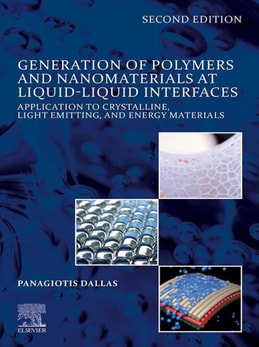
Generation of Polymers and Nanomaterials at Liquid-Liquid Interfaces: Application to Crystalline, Light Emitting, and Energy Materials, Second Edition is an innovative guide to the synthesis and processing of materials through liquid-liquid interfaces.
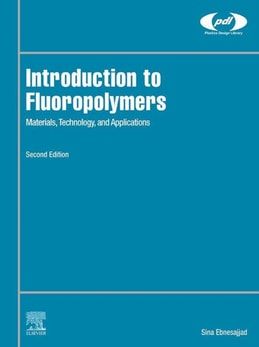
Introduction to Fluoropolymers, Second Edition, provides a comprehensive overview of the history, principles, properties, processing and applications of fluoropolymers, supporting their development and utilization in high-performance applications, components, and products.
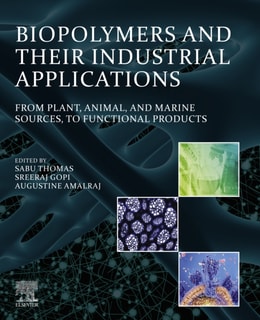
Biopolymers and Their Industrial Applications: From Plant, Animal, and Marine Sources to Functional Products is a detailed guide to the use of biopolymers for advanced applications across a range of key industries.
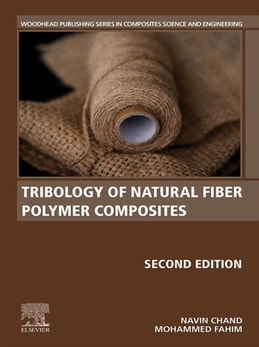
Tribology of Natural Fiber Polymer Composites, Second Edition, covers the availability and processing of natural fiber polymer composites and their structural, thermal, mechanical and tribological properties and performance.
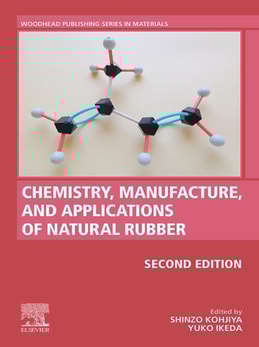
Chemistry, Manufacture and Applications of Natural Rubber, Second Edition presents the latest advances in the processing, properties and advanced applications of natural rubber (NR), drawing on state-of-the-art research in the field.
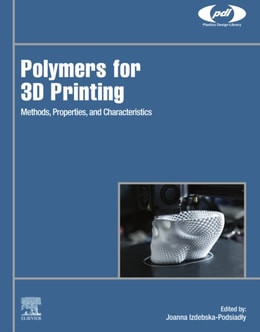
Polymers for 3D Printing: Methods, Properties, and Characteristics provides a detailed guide to polymers for 3D printing, bridging the gap between research and practice, and enabling engineers, technicians and designers to utilise and implement this technology for their products or applications.
Biopolymer Membranes and Films: Health, Food, Environment, and Energy Applications presents the latest techniques for the design and preparation of biopolymer-based membranes and films, leading to a range of cutting-edge applications.
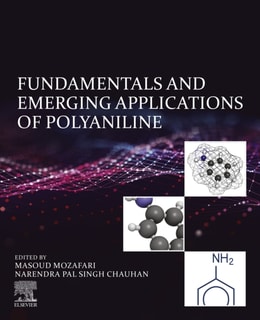
Fundamentals and Emerging Applications of Polyaniline presents in-depth coverage of synthetic routes, characterization tools, experimental procedures, and the preparation of PANI-based materials for advanced applications.
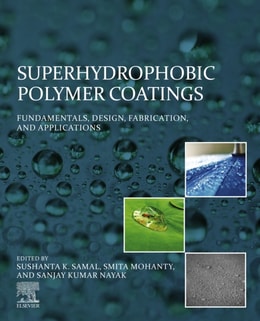
Superhydrophobic Polymer Coatings: Fundamentals, Design, Fabrication, and Applications offers a comprehensive overview of the preparation and applications of polymer coatings with superhydrophobicity, guiding the reader through advanced techniques and scientific principles.
Design and Fabrication of Large Polymer Constructions in Space is a ground-breaking study of the polymeric materials, advanced chemical processes, and cutting-edge technology required in the construction of large polymer-based structures for space, when all steps in the process are carried out in the space environment, whether in orbit, in deep space, or on the surface of a moon, asteroid, or planet.
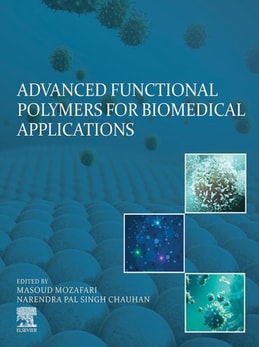
Advanced Functional Polymers for Biomedical Applications presents novel techniques for the preparation and characterization of functionalized polymers, enabling researchers, scientists and engineers to understand and utilize their enhanced functionality in a range of cutting-edge biomedical applications.
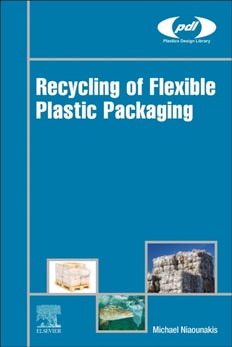
Recycling of Flexible Plastic Packaging presents thorough and detailed information on the management and recycling of flexible plastic packaging, focusing on the latest actual/potential methods and techniques and offering actionable solutions that minimize waste and increase product efficiency and sustainability.
Fundamentals and Emerging Applications of Polyaniline presents in-depth coverage of synthetic routes, characterization tools, experimental procedures, and the preparation of PANI-based materials for advanced applications.
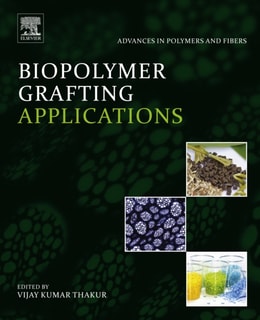
Biopolymer Grafting: Applications presents the latest research and developments in the practical application of these methods in industry, both to enable polymer scientists and engineers to keep up with the latest research trends, as well as to propose ideas for further research and application.
Polymers are important and attractive biomaterials for researchers and clinical applications due to the ease of tailoring their chemical, physical and biological properties for target devices.
Materials Processing is the first textbook to bring the fundamental concepts of materials processing together in a unified approach that highlights the overlap in scientific and engineering principles.
Polymer-Based Multifunctional Nanocomposites and Their Applications provides an up-to-date review of the latest advances and developments in the field of polymer nanocomposites.
The Impact and Prospects of Green Chemistry for Textile Technology provides a review and summary of the role of green chemistry in textiles, including the use of green agents and sustainable technologies in different textile applications.
Polylactic Acid: A Practical Guide for the Processing, Manufacturing, and Applications of PLA, Second Edition, provides a practical guide for engineers and scientists working in PLA and on the development of emerging new products.
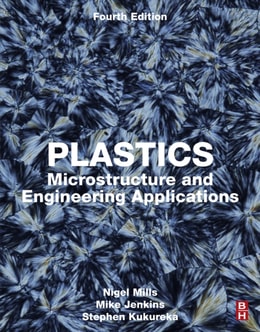
Plastics: Microstructure and Applications is a key text for senior students studying the science and engineering of plastics materials (or polymers) and will serve as a valuable introduction to the fundamentals of polymer properties for those new to the field.
Polymer Composites with Functional Nanoparticles: Synthesis, Properties, and Applications reviews the latest research in the area of polymer nanocomposites and functionalized nanoparticles, providing an introduction for those new to the field, and supporting further research and development.
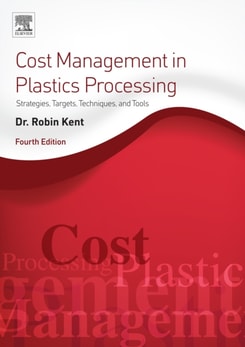
Cost Management in Plastics Processing: Strategies, Targets, Techniques, and Tools, Fourth Edition, makes readers think about current practices and how to go forward with effective cost management.
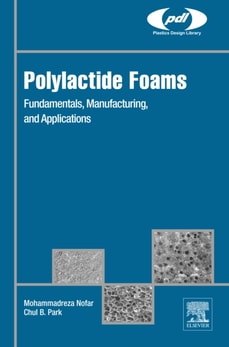
Polylactide Foams: Fundamentals, Manufacturing, and Applications provides an introduction to the fundamental science behind plastic foams, polylactic acid) and polylactide foaming, giving designers tactics to replace traditional resins with sustainable and biodegradable materials.
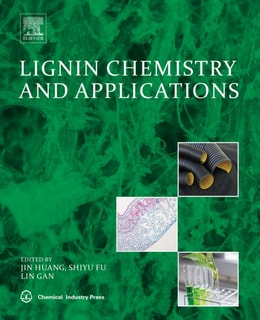
Lignin Chemistry and Application systematically discusses the structure, physical and chemical modification of lignin, along with its application in the field of chemicals and materials.
Fluoropolymer Additives, Second Edition provides practical information on this group of additives, along with their applications and proper and safe handling.
Hydraulic Rubber Dam: An Effective Water Management Technology is the go-to source for information on the materials, manufacture, mechanics and functional benefit of rubber dams in water management.
Film Properties of Plastics and Elastomers, Fourth Edition is the only data handbook available on the engineering properties of commercial polymeric films.
Dielectric Polymer Materials for High-Density Energy Storage begins by introducing the fundamentals and basic theories on the dielectric behavior of material.
Non-Thermal Plasma Technology for Polymeric Materials: Applications in Composites, Nanostructured Materials and Biomedical Fields provides both an introduction and practical guide to plasma synthesis, modification and processing of polymers, their composites, nancomposites, blends, IPNs and gels.
Plastics to Energy: Fuel, Chemicals, and Sustainability Implications covers important trends in the science and technology of polymer recovery, such as the thermo-chemical treatment of plastics, the impact of environmental degradation on mechanical recycling, incineration and thermal unit design, and new options in biodegradable plastics.
Phthalonitrile Resins and Composites: Properties and Applications summarizes the latest research on these polymers, providing information that enables materials scientists and engineers to deploy these polymers in the real world.
Advanced Polyimide Materials: Synthesis, Characterization and Applications summarizes and reviews recent research and developments on several key PI materials.
Electrical Conductivity in Polymer-Based Composites: Experiments, Modelling and Applications offers detailed information on all aspects of conductive composites.
Looking forward to the future it is clear that today's narrow concept of fiber as a basic element for textiles, ropes and nets will become an outmoded notion.
Durability and Reliability of Polymers and Other Materials in Photovoltaic Modules describes the durability and reliability behavior of polymers used in Si-photovoltaic modules and systems, particularly in terms of physical aging and degradation process/mechanisms, characterization methods, accelerated exposure chamber and testing, module level testing, and service life prediction.
New Polymer Nanocomposites for Environmental Remediation summarizes recent progress in the development of materials' properties, fabrication methods and their applications for treatment of contaminants, pollutant sensing and detection.
Fluoropolymers are used in applications demanding service at enhanced temperature while maintaining their structural integrity and have excellent combination of chemical, physical and mechanical properties.
Covering a wide range of industrial applications across sectors including medical applications, automotive/aerospace, packaging, electronics, and consumer goods, this book provides a complete guide to the selection of adhesives, methods of use, industrial applications, and the fundamentals of adhesion.