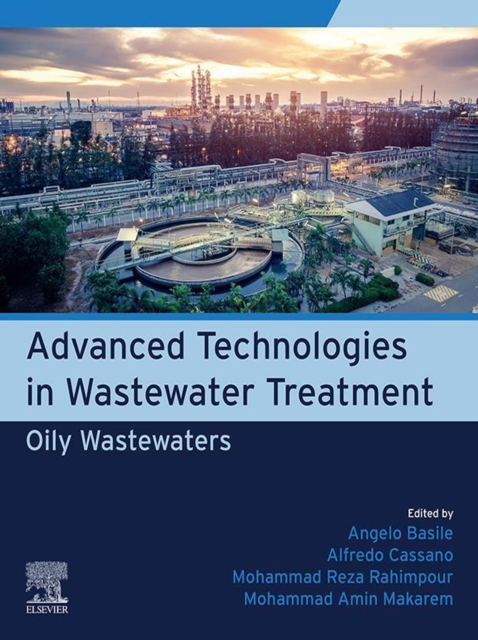
This book provides a cross-disciplinary, multi-scale assessment of the development of adsorption-based refrigerants and super-adsorbent-based wastewater purification.
Advanced Technologies in Wastewater Treatment: Oily Wastewaters focuses on characteristics and innovative treatment technologies of oily wastewater from various resources.
New and exciting biological functions are still being discovered for vitamin A derivatives, including the vast number of physiological activities of retinoids.
After more than 30 years, The Book of Fructans represents the first and most comprehensive coverage of fructans generated by pioneer glycoscientists from the field.
Nutraceuticals: Sources, Processing Methods, Properties, and Applications explores the impact of nutraceutical compounds on human health and their main pharmacological contributions.
This edited book covers all the existing possibilities of using food waste as a potential, alternative and 'ready to use', feed stock for biofuels production.
This book provides a comprehensive summary of the latest knowledge regarding functional foods and new therapeutic strategies for neurodegenerative disorders through explaining specific mechanisms for natural remedies and functional foods as well as alternative treatment and supplementary approaches for neurodegenerative diseases.
This book reports on advanced biomaterials such as bioceramics, hydrogels, biopolymers, nanomaterials, membranes, and other compatible materials for medical applications.
This book follows the 2002 edition of Catalysis by Ceria and Related Materials, which was the first book entirely devoted to ceria and its catalytic properties.
This book summarizes the recent research development concerning olive oil wastewater management: characterization, environmental impact, recovery and treatment.
This book comprehensively covers in an easy-to-understand language, the principles and working of advanced analytical techniques used in Dairy Chemistry research.
Fruit and Vegetable Waste Utilization and Sustainability presents strategies to address the fruit and vegetable waste generated from agriculture and industrial processing.
Nanomaterials, with their unique size-dependent physical and chemical properties, have shown promising advantages as drug and gene delivery vehicles, ultra-sensitive intracellular detectors and novel therapeutic drugs.
Complexity and Complex Ecological Systems is an extension of Elsevier's 2021 book Complexity and Complex Chemo-Electric Systems directed toward the analysis and synthesis of diverse ecological processes running in heterogeneous macrosystems.
Valorization of Biomass to Bioproducts: Biochemicals and Biomaterials discusses the-innovation and blueprint of biochemical extraction processes and the ideal utilization of biochemicals that help form the basis of green extraction to produce biochemicals from biomass.
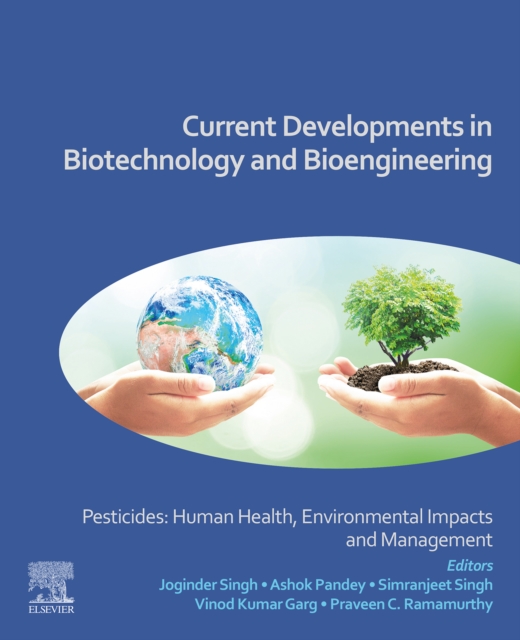
Pesticides: Human Health, Environmental Impacts and Management considers microbial degradation and environmental management of pesticides, covers microbial options as an alternative to chemical pesticides, explores plant-microbe interactions for reduced applications of pesticides in the agricultural fields, discusses the enhancement of microbial pesticides degradation, explains function of engineered microorganisms for effective pesticide degradation, describes potential indigenous/effective microbes for effective pesticide degradation processes, and presents research on microbes for sustainable agricultural and environmental practices.
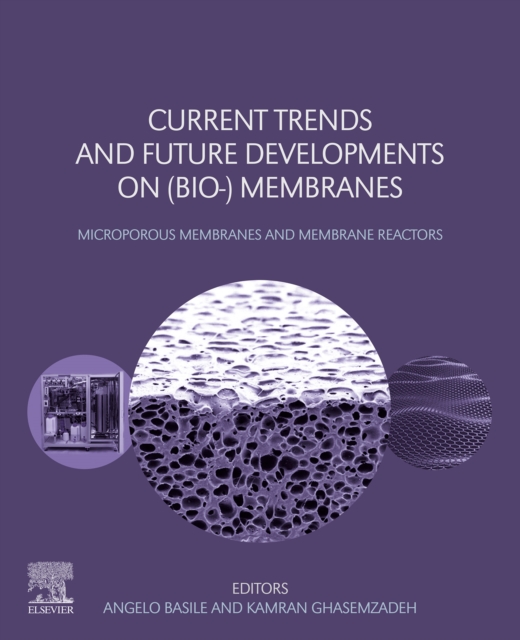
Current Trends and Future Developments on (Bio-) Membranes: Microporous Membrane and Membrane Reactors focuses on the structure, preparation, characterization and applications of microporous membranes and membrane reactors, including transport mechanisms through a range of microporous membranes.
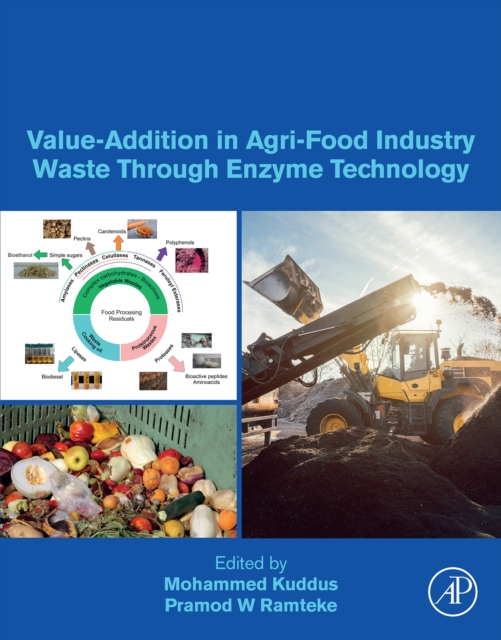
Value Addition in Agri-Food Industry Waste through Enzyme Technology, Volume Three explores advances in the production of high value-added products from agri-food industry waste/residues using enzyme technology.
This book provides a comprehensive overview of and state-of-art information on the production and application of second- and third-generation bioplastics, such as polylactic acid (PLA) and polyhydroxyalkanoates (PHAs).
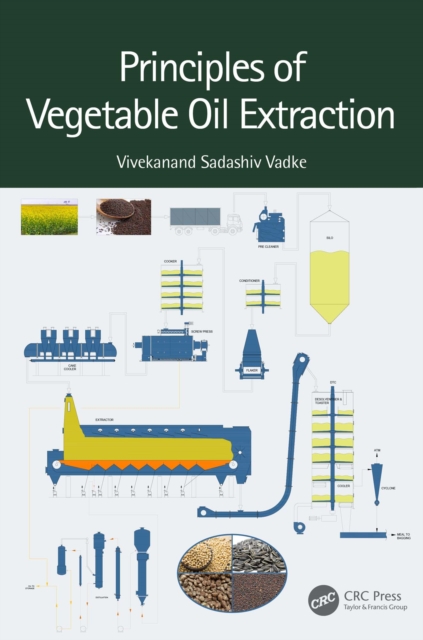
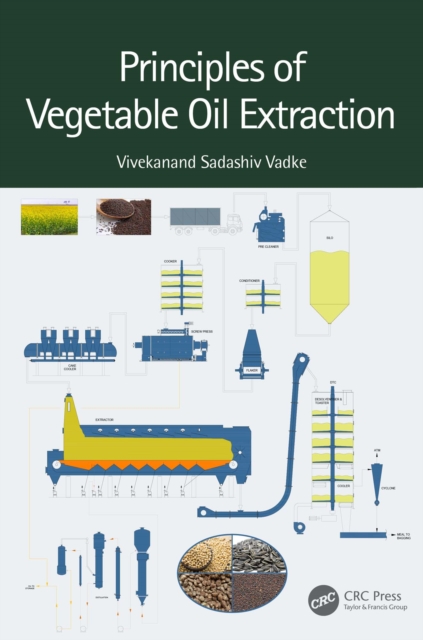
This book covers the technology of vegetable oil extraction, including theory, process technologies used for various oilseeds, machinery operation and design aspects.
This book covers the technology of vegetable oil extraction, including theory, process technologies used for various oilseeds, machinery operation and design aspects.
This book provides a comprehensive overview of and state-of-art information on the production and application of second- and third-generation bioplastics, such as polylactic acid (PLA) and polyhydroxyalkanoates (PHAs).
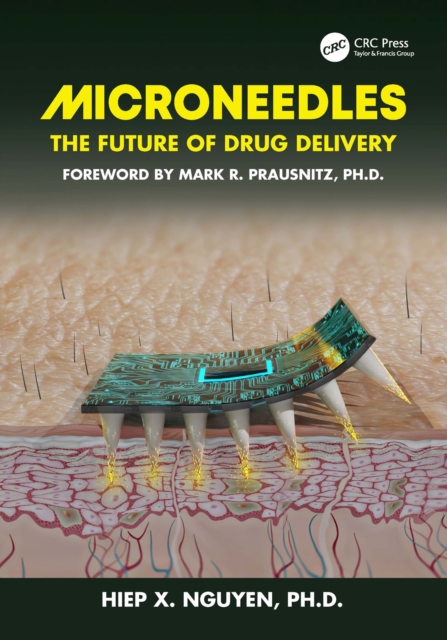
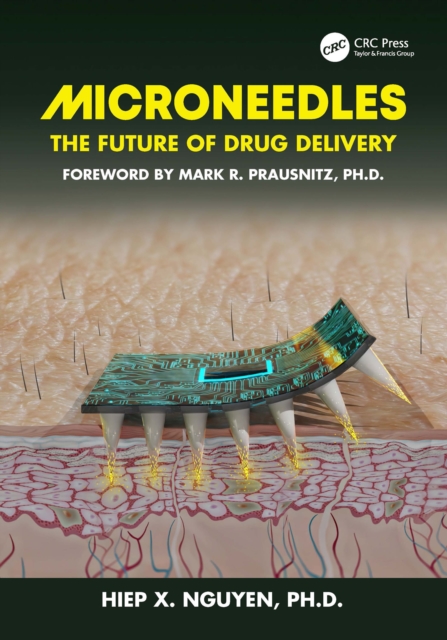
The microneedle field has been expanding exponentially with innovative designs and various applications, thus capturing the interest of academic industry and regulatory sectors.
This book compiles research aspects of second-generation (2G) biofuel production derived specifically from lignocellulose biomass using biorefinery methods.
This book compiles research aspects of second-generation (2G) biofuel production derived specifically from lignocellulose biomass using biorefinery methods.
The microneedle field has been expanding exponentially with innovative designs and various applications, thus capturing the interest of academic industry and regulatory sectors.
Mit diesem Fachbuch wird eine umfassende und aktuelle Vorstellung von Verbundisolatoren mit dem speziellen Fokus auf Silikonelastomer als Mantelwerkstoff geliefert.