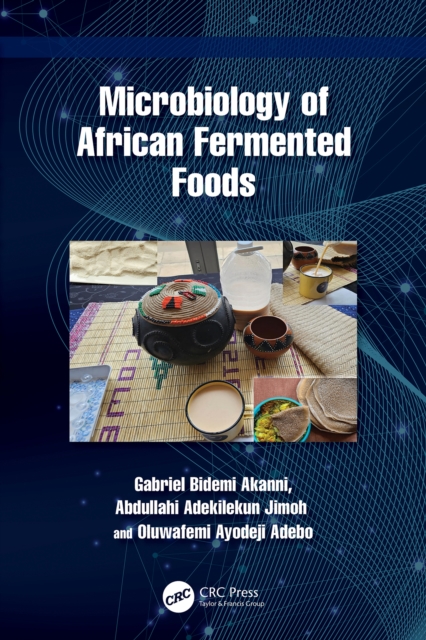
Fermented food products play a unique and critical role in the daily lives of inhabitants of the African continent, serving as a primary source of diet, providing nutrients and supplying health-promoting benefits, with some having cultural and spiritual connotations.
Based on the collaborative, interdisciplinary research project Shift-Plastics this book establish sustainable circular value chains for managing plastics in the fisheries and aquaculture industries, which are significant causes of ocean plastic pollution.
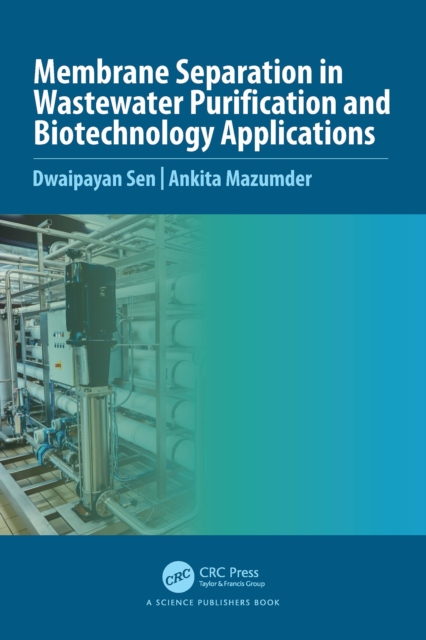
Industrial Water and Waste Treatment: Innovative Solutions, the eighth volume in the Industrial Water and Waste Treatment series, presents cutting edge approaches to tackle complex pollutants and enhance sustainability.
The Principles of Green Energy and Technology: A Guide to Green Technology: Eco-Innovations presents a comprehensive exploration of sustainable energy solutions and innovative technologies shaping our transition toward a low-carbon future.
Industrial Water and Waste Treatment: Innovative Solutions, the eighth volume in the Industrial Water and Waste Treatment series, presents cutting edge approaches to tackle complex pollutants and enhance sustainability.
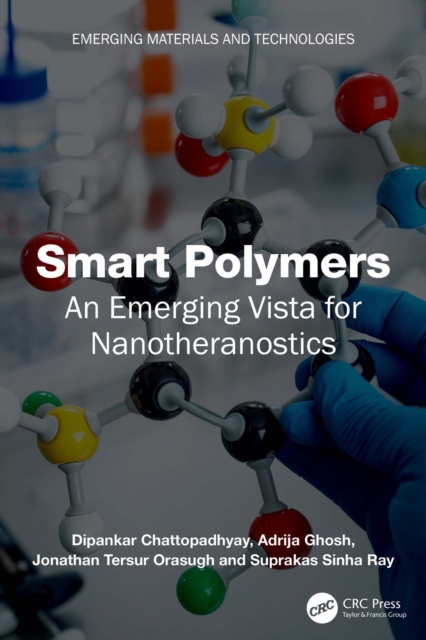
This book covers the analysis of biosensing, site-targeted therapeutics, as well as visual analytics of release profile at the delivery site as possible uses for nanotheranostics therapies following the route of smart polymers.
This book provides a comprehensive overview of the use of nanotechnology in food preservation, food packaging, and the development of novel preservation methods.
This book covers the analysis of biosensing, site-targeted therapeutics, as well as visual analytics of release profile at the delivery site as possible uses for nanotheranostics therapies following the route of smart polymers.
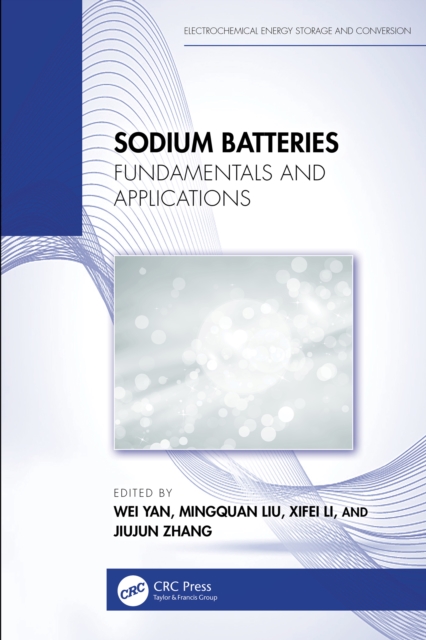
Although lithium-ion batteries (LIBs) are the dominant technology used in portable electronics, electric vehicles, and stationary power stations, there is concern about the long-term availability and sustainability of lithium to meet demand.
Although lithium-ion batteries (LIBs) are the dominant technology used in portable electronics, electric vehicles, and stationary power stations, there is concern about the long-term availability and sustainability of lithium to meet demand.
The Principles of Green Energy and Technology: A Guide to Green Technology: Eco-Innovations presents a comprehensive exploration of sustainable energy solutions and innovative technologies shaping our transition toward a low-carbon future.
This book explores human biomonitoring (HBM) as a method to evaluate chemical exposure and its related health effects, with a specific focus on short half-life chemicals and mycotoxins.
Sustainable Plant Foods: A Scientific Approach to Alternative Food Sources delves into plant-based nutrition and its transformative potential for human health and the environment.
This book offers a hands-on and comprehensive guide to optimization techniques tailored for data scientists and engineers, combining theoretical foundations with practical applications.
This book offers a hands-on and comprehensive guide to optimization techniques tailored for data scientists and engineers, combining theoretical foundations with practical applications.
This book presents a multifaceted examination of biomass valorization, biofuel, and bioenergy across diverse sectors and seeks to address the fundamental aim of advancing sustainable energy solutions while mitigating environmental challenges.
Based on the collaborative, interdisciplinary research project Shift-Plastics this book establish sustainable circular value chains for managing plastics in the fisheries and aquaculture industries, which are significant causes of ocean plastic pollution.
This book explores human biomonitoring (HBM) as a method to evaluate chemical exposure and its related health effects, with a specific focus on short half-life chemicals and mycotoxins.
This book presents a multifaceted examination of biomass valorization, biofuel, and bioenergy across diverse sectors and seeks to address the fundamental aim of advancing sustainable energy solutions while mitigating environmental challenges.
This book provides a comprehensive overview of the use of nanotechnology in food preservation, food packaging, and the development of novel preservation methods.
Für Menschen der Zielgruppe der 17- bis 27-jährigen ist die Umwelt oftmals ein abstrakter Ort, irgendwo, in einiger Entfernung, unbestimmt und unerreichbar.
Für Menschen der Zielgruppe der 17- bis 27-jährigen ist die Umwelt oftmals ein abstrakter Ort, irgendwo, in einiger Entfernung, unbestimmt und unerreichbar.
This contributed volume offers a detailed review of the history, classification, synthesis, and physicochemical properties of deep eutectic solvents, highlighting their role as sustainable alternatives to traditional solvents.
This groundbreaking book explores cutting-edge AI applications—from disease detection in crops to yield prediction and food quality classification—empowering farmers, researchers, and policymakers to build a more resilient and sustainable food system.
This book explores the use of composite rebars—especially Fiber Reinforced Polymers (FRPs)—as a modern structural solution in concrete construction, offering a comprehensive analysis of their mechanical behavior, durability, and performance.
This book offers a comprehensive exploration of the kinetics of hydrogen in metals, focusing on absorption, desorption, dissolution, diffusion, trapping, and permeation.
This book includes fifteen chapters in the field of bioenergy, agriculture, energy systems, and waste from environment using reactor configurations analysis for biorefinery processes.
This contributed volume offers a detailed review of the history, classification, synthesis, and physicochemical properties of deep eutectic solvents, highlighting their role as sustainable alternatives to traditional solvents.
This book provides a background in engineering applications and presents a holistic and practical case of intelligent construction—intelligent compaction.
This monograph explores the history and chemistry of glass technology, tracing its origins from antiquity through its evolution into a vital material for science and society.
The book presents the selected papers presented at the 4th International Congress of Applied Chemistry and Environment (ICACE-4) that took place on December 12–14, 2024.
This book includes fifteen chapters in the field of bioenergy, agriculture, energy systems, and waste from environment using reactor configurations analysis for biorefinery processes.