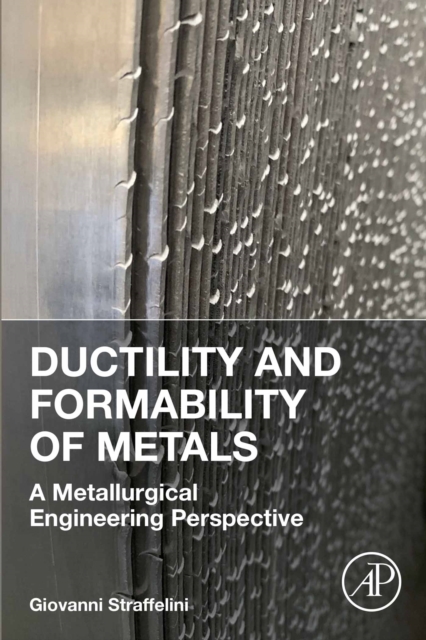
Ductility and Formability of Metals: A Metallurgical Engineering Perspective uses metallurgical, mechanical and physical principles and concepts to explain ductility while emphasizing the influence of material microstructure on damage mechanisms.
Furniture Design and Construction for the Interior Designer satisfies the need in the interior design field for a source that teaches the aesthetic as well as the construction of residential furniture.
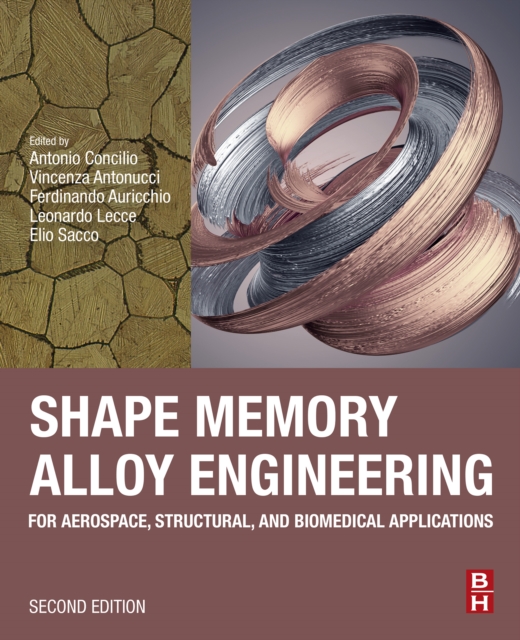
Shape Memory Alloy Engineering: For Aerospace, Structural and Biomedical Applications, Second Edition embraces new advancements in materials, systems and applications introduced since the first edition.
Heterocyclic Organic Corrosion Inhibitors: Principles and Applications aims to comprehend the synthesis and application of organic heterocyclic compounds as corrosion inhibitors in various corrosive environments.
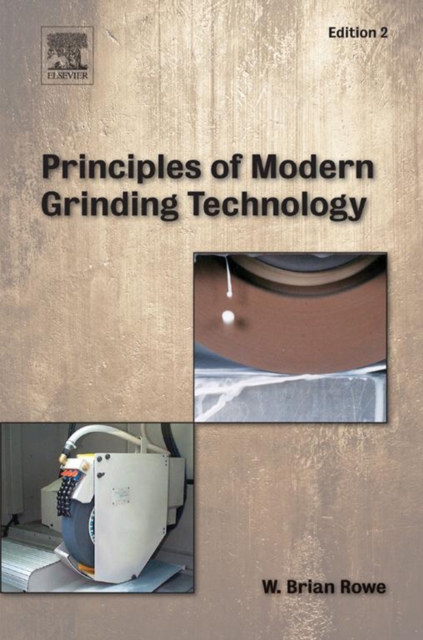
Principles of Modern Grinding Technology, Second Edition, provides insights into modern grinding technology based on the author's 40 years of research and experience in the field.
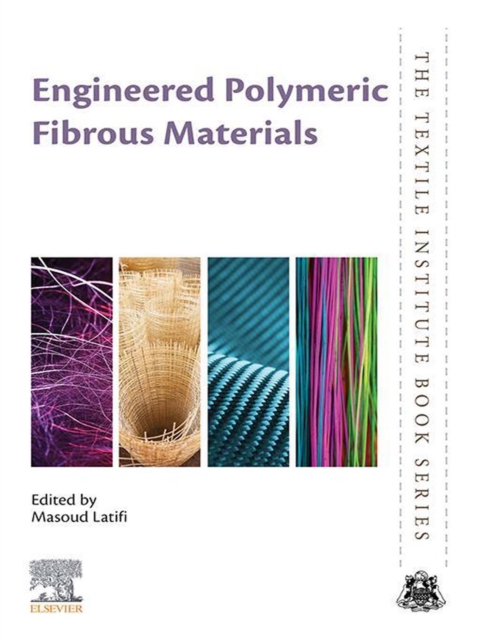
Engineered Polymeric Fibrous Materials explains cutting edge techniques for the engineering of fibrous materials from physical, mechanical, and chemical points of view.
Protected Metal Clusters: From Fundamentals to Applications surveys the fundamental concepts and potential applications of atomically precise metal clusters protected by organic ligands.
Special Injection Molding Techniques covers several techniques used to create multicomponent products, hollow areas, and hard-soft combinations that cannot be produced with standard injection molding processes.
Inorganic Anticorrosive Materials (IAMs): Past, Present, and Future Perspectives covers the anticorrosive effects of inorganic materials and metal oxides in particular.
Recycling of Polyurethane Foams introduces the main degradation/depolymerization processes and pathways of polyurethane foam materials, focusing on industrial case studies and academic reviews from recent research and development projects.
Electrocorrosion and Protection of Metals, Second Edition, compiles theoretical and practical information, outlines the specific problem, and presents the available solutions related to corrosion by external currents.
Despite decades of extensive research and application, commercial aluminum alloys are still poorly understood in terms of the phase composition and phase transformations occurring during solidification, cooling, and heating.
This book is concerned with providing a fundamental basis for understanding the alloy-gas oxidation and corrosion reactions observed in practice and in the laboratory.
This publication has been written to honour the contribution to science and education made by the Distinguished Professor Emeritus Professor Schey on his eightieth birthday.
Tensile strength, fatigue strength and ductility are important properties of nanostructured metallic materials, which make them suitable for use in applications where strength or strength-to-weight ratios are important.
Microfabrication for Industrial Applications focuses on the industrial perspective for micro- and nanofabrication methods including large-scale manufacturing, transfer of concepts from lab to factory, process tolerance, yield, robustness, and cost.
The textile industry impacts the environment in a number of ways, including its use of resources, its impact on global warming, and the amount of pollution and waste it generates.
Fashion and beauty have helped shape history and today more than ever, we find ourselves under increasing pressure to think about what we wear, what we look good in and how best to enhance our body shape and size.
Synthetic Engineering Materials and Nanotechnology covers the latest research and developments of synthetic processes, materials, applications and technologies.
Corrosion in Amine Treating Units, Second Edition presents a fully updated resource with a broadened focus that includes corrosion in not only refining operations, but also in oil and gas production.
Complex raw materials and manufacturing processes mean the textile industry is particularly dependent on good process control to produce high and consistent product quality.
Human sensory perception of clothing involves a series of complex interactive processes, including physical responses to external stimuli, neurophysiological processes for decoding stimuli through the biosensory and nervous systems inside the body, neural responses to psychological sensations, and psychological processes for formulating preferences and making adaptive feedback reactions.