Eco-Friendly Corrosion Inhibitors: Principles, Designing, and Applications wraps up new developments in corrosion inhibitors and their current applications in real-life environments such as in strong acidic pickling and petroleum-based liquids.
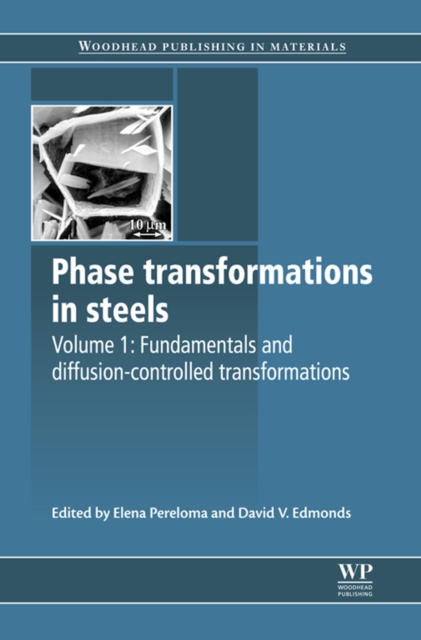
The processing-microstructure-property relationships in steels continue to present challenges to researchers because of the complexity of phase transformation reactions and the wide spectrum of microstructures and properties achievable.
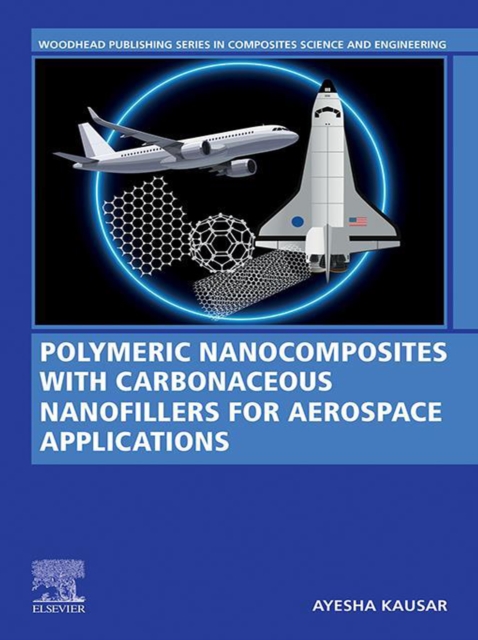
Polymeric Nanocomposites with Carbonaceous Nanofillers for Aerospace Applications offers a comprehensive paperback on the aerospace relevance of polymer/carbonaceous nanofiller-based nanocomposite.
A quick flip through the New York Times almost any day of the week finds numerous ads for the most expensive of watches, which are now, as in the time of Queen Elizabeth I of England, the most elite of fashion statements and a clarion call that the wearer has achieved career success and wealth.
Green Sustainable Process for Chemical and Environmental Engineering and Science: Carbon Dioxide Capture and Utilization explores advanced technologies based on CO2 utilization.
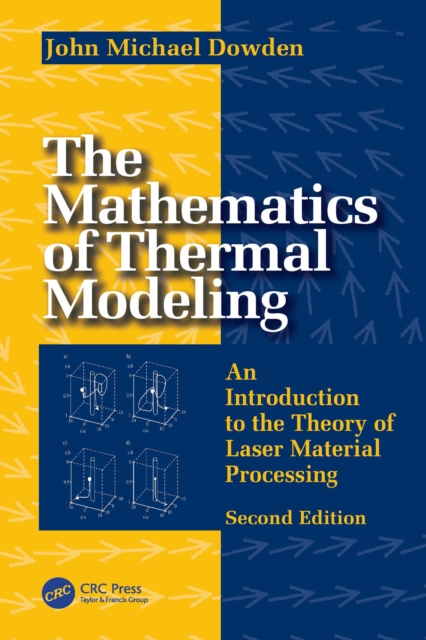
The Mathematics of Thermal Modeling, Second Edition, provides an introduction to the basics of the mathematics and physics needed to understand and use the physical principles employed in constructing models of a number of aspects of thermal modeling in industrial processes, notably laser welding; most of the techniques are applicable to many other technological processes, however.
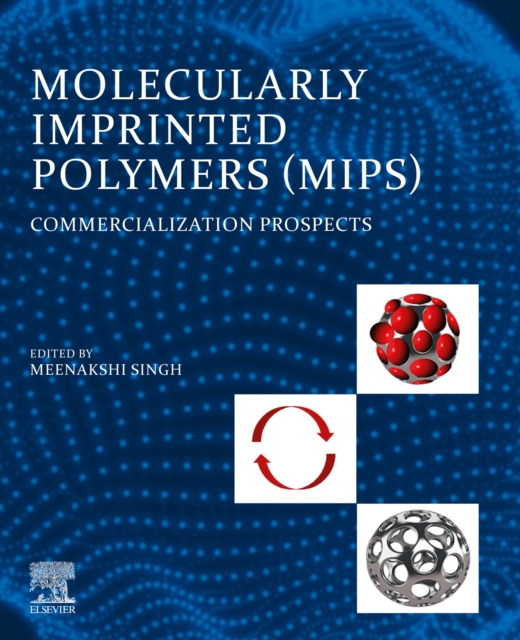
Molecularly Imprinted Polymers (MIPs): Commercialization Prospects guides the reader through the various steps in the conceptualization, design, preparation and innovative applications of molecularly imprinted polymers while also demystifying the challenges relating to commercialization.
Traditionally, the three most important manufacturing functions are process planning, scheduling, and due-date assignment, which are handled sequentially and separately.
Traditionally, the three most important manufacturing functions are process planning, scheduling, and due-date assignment, which are handled sequentially and separately.
This handbook provides an insight into the advancements in surface engineering methods, addressing the microstructural features, properties, mechanisms of surface degradation failures, and tribological performance of the components.
This volume focuses on the wealth of existing literature on physical metallurgy, and deals with materials in different states of order and the process of order evolution.
This book explores the intricate connections that link the current digitalization of manufacturing to our daily lives and identities as members of highly technologized societies.
This handbook provides an insight into the advancements in surface engineering methods, addressing the microstructural features, properties, mechanisms of surface degradation failures, and tribological performance of the components.
This book explores the intricate connections that link the current digitalization of manufacturing to our daily lives and identities as members of highly technologized societies.
Unique in bringing about a solid-state reaction at room temperature, mechanical alloying produces powders and compounds difficult or impossible to obtain by conventional techniques.
Metal injection molding combines the most useful characteristics of powder metallurgy and plastic injection molding to facilitate the production of small, complex-shaped metal components with outstanding mechanical properties.
Metal injection molding combines the most useful characteristics of powder metallurgy and plastic injection molding to facilitate the production of small, complex-shaped metal components with outstanding mechanical properties.
Welding and Joining of Advanced High Strength Steels (AHSS): The Automotive Industry discusses the ways advanced high strength steels (AHSS) are key to weight reduction in sectors such as automotive engineering.
This important book summarises the wealth of recent research on our understanding of process-property relationships in wrought magnesium alloys and the way this understanding can be used to develop a new generation of alloys for high-performance applications.
With increased environmental awareness and rising costs, manufacturers are investing in real time monitoring and control of dyeing to increase its efficiency and quality.
Nanomaterials exhibit unique mechanical and physical properties compared to their coarse-grained counterparts, and are consequently a major focus of current scientific research.
Friction Stir Casting Modification for Enhanced Structural Efficiency: A Volume in the Friction Stir Welding and Processing Book Series summarizes current research and applications of friction stir processing techniques for casting modification.