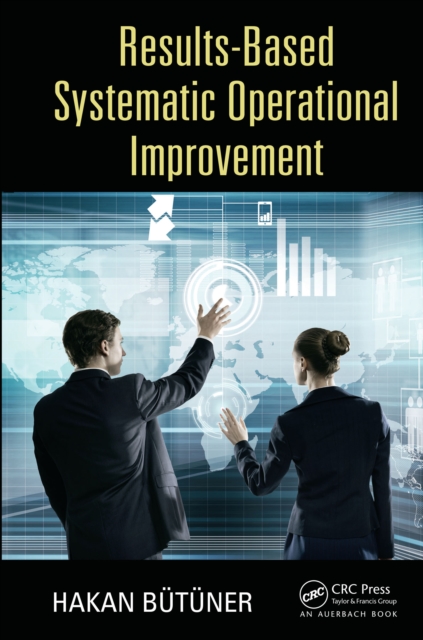
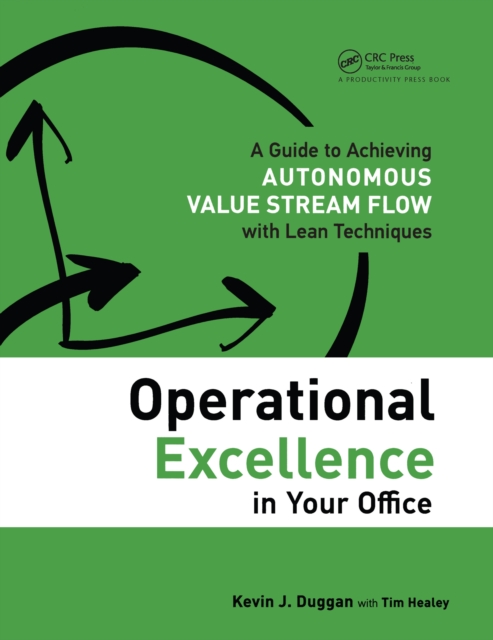
While more and more companies are aggressively pursuing Operational Excellence by employing Six Sigma, Lean, and other continuous improvement methods, the concept has yet to be defined in a way that can be easily taught and applied, especially in industries other than manufacturing.
Many books explain how to construct a value stream map, but few explain the process conditions and characteristics required to ensure a value stream map can be completed successfully.
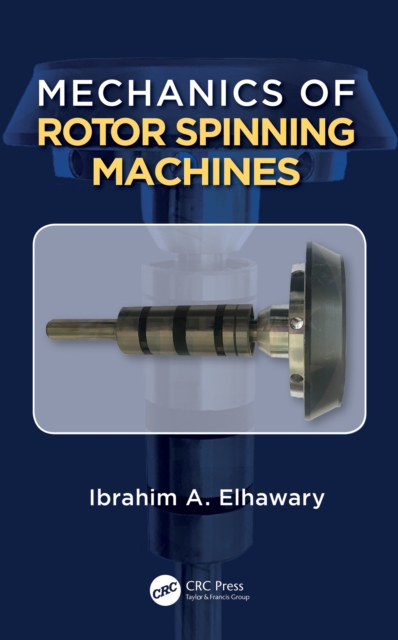
Weaving as a subject is an integral part of any textile engineering/technology program, the others being fibre manufacturing, yarn manufacturing and textile chemical processing.
Weaving as a subject is an integral part of any textile engineering/technology program, the others being fibre manufacturing, yarn manufacturing and textile chemical processing.
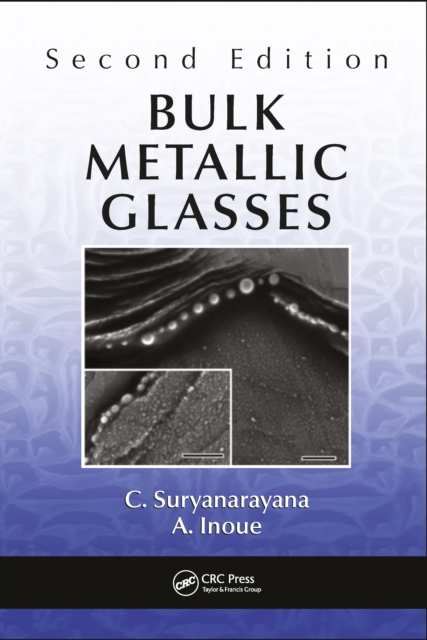
Reflecting the fast pace of research in the field, the Second Edition of Bulk Metallic Glasses has been thoroughly updated and remains essential reading on the subject.
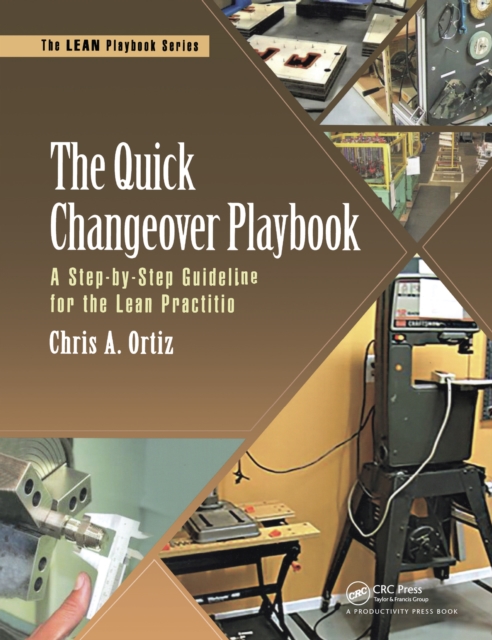
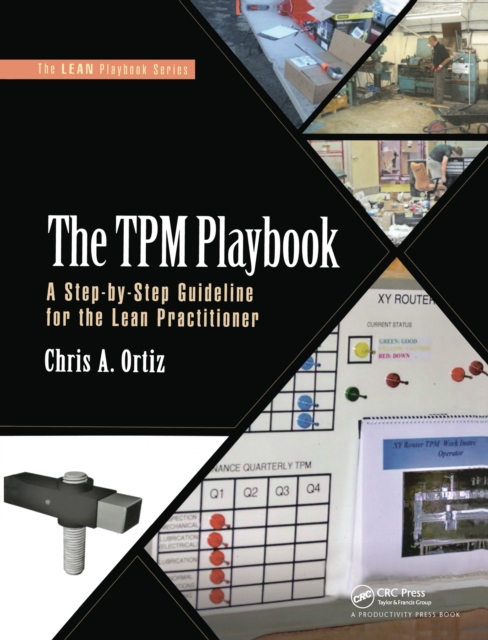
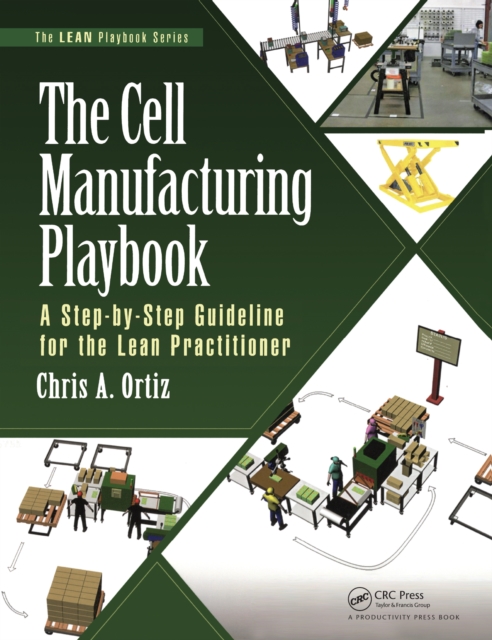
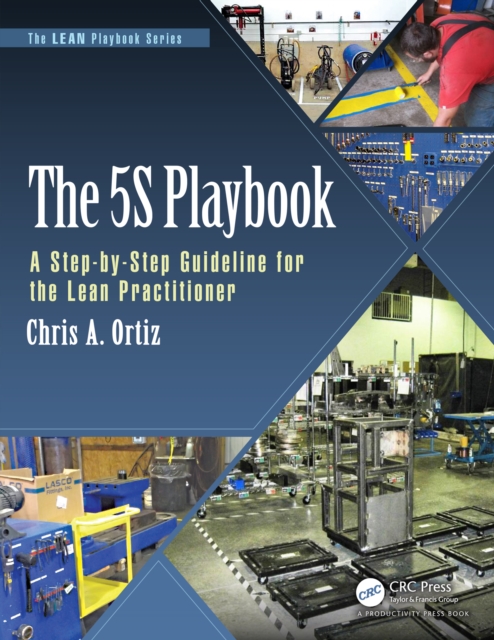
This book is a guideline for implementation and it is intended for the Lean practitioner looking for a training tool and a guideline that can be used in the work area while improvements are being conducted.
Process Implementation Through 5S: Laying the Foundation for Lean explains how to implement standardized work and visual controls through Plan Do Check Adjust (PDCA).
Most books about continuous and process improvement are written in a textbook format with straightforward information and plenty of graphs and charts to convey the points being made.
Design for Six Sigma (DFSS) is an innovative continuous improvement methodology for designing new products, processes, and services by integrating Lean and Six Sigma principles.
Based on the author's years of experience working with Toyota's master teachers and with companies in the midst of great change, this book follows the story established in the Shingo Prize-winning book, Andy & Me: Crisis & Transformation on the Lean Journey.
Laser-Based Additive Manufacturing (LBAM) technologies, hailed by some as the "e;third industrial revolution,"e; can increase product performance, while reducing time-to-market and manufacturing costs.
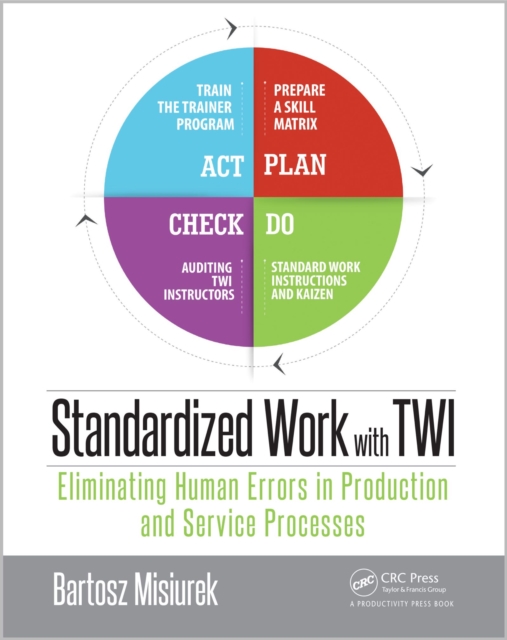
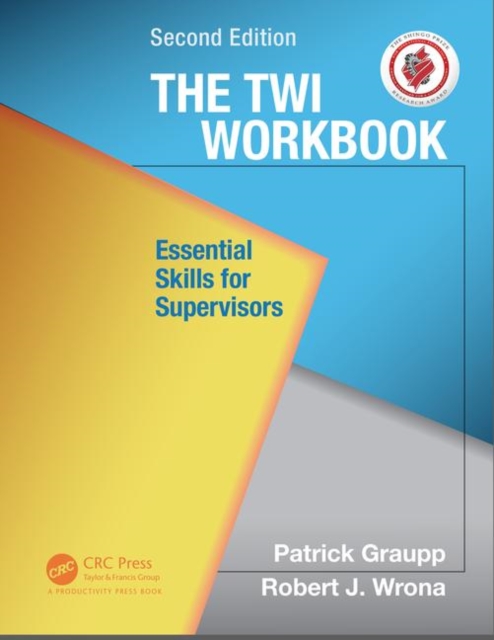
This book presents what the training within industry (TWI) program is and how its presence affects the understanding of work standardization, focusing on the practical aspects of the implementation of work standardization in the elimination of human errors in manufacturing and service processes.
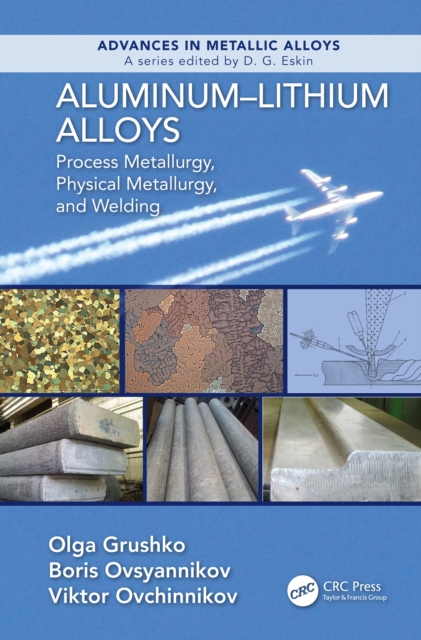
Aluminum-Lithium Alloys: Process Metallurgy, Physical Metallurgy, and Welding provides theoretical foundations of the technological processes for melting, casting, forming, heat treatment, and welding of Al-Li alloys.
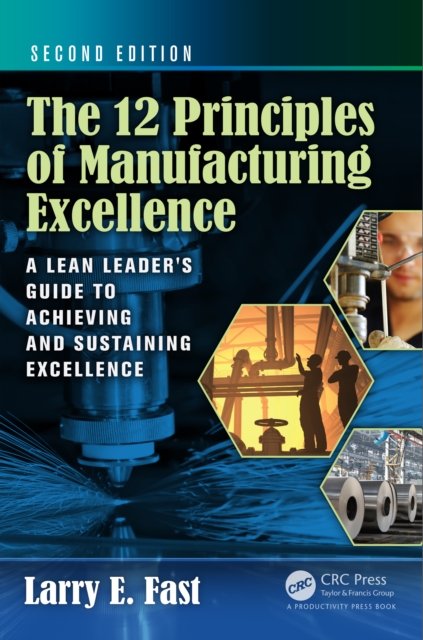
Following in the tradition of its bestselling predecessor, The 12 Principles of Manufacturing Excellence: A Lean Leader's Guide to Achieving and Sustaining Excellence, Second Edition outlines a comprehensive, proven process for delivering world-class performance while also cultivating the right culture through leadership, mentoring, and hourly asso
This new book in The LEAN Playbook Series supplies step-by-step guidelines on how to properly implement 5S (Sort, Set in Order, Scrub, Standardize, Sustain) and the visual workplace.
Unlike other books that promote a specific process and performance improvement discipline, this book shows organizations how to achieve success by fixing basic operational issues and problems using a broad and wide-sweeping process-based toolkit.
Although batching often appears more efficient than one-piece flow for individual tasks, the practice creates waste for other parts of the organization that more than offset its perceived benefits.
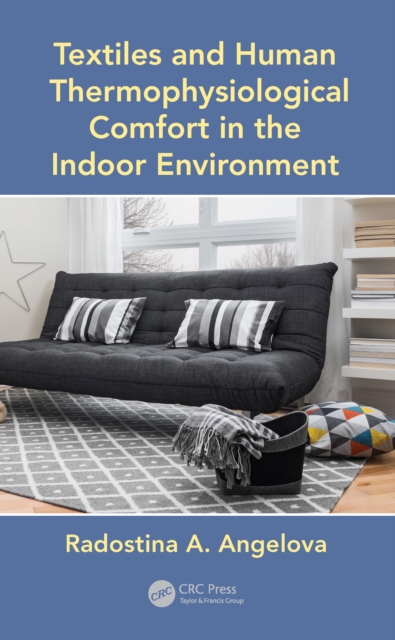
Textiles and Human Thermophysiological Comfort in the Indoor Environment delivers a methodical assessment of textile structures for various applications in the indoor environment with respect to the thermophysiological comfort of the inhabitants.
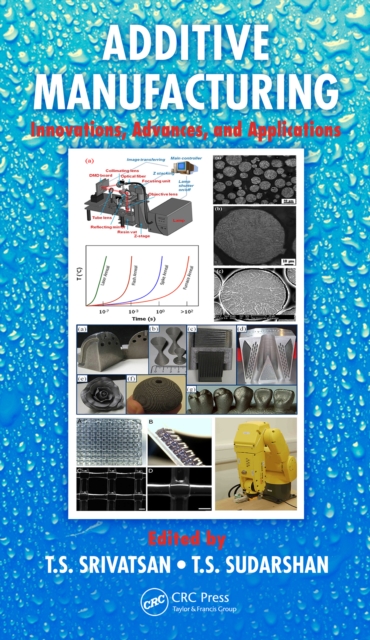
Get Ready for the Future of Additive ManufacturingAdditive Manufacturing: Innovations, Advances, and Applications explores the emerging field of additive manufacturing (AM)-the use of 3D printing to make prototype parts on demand.
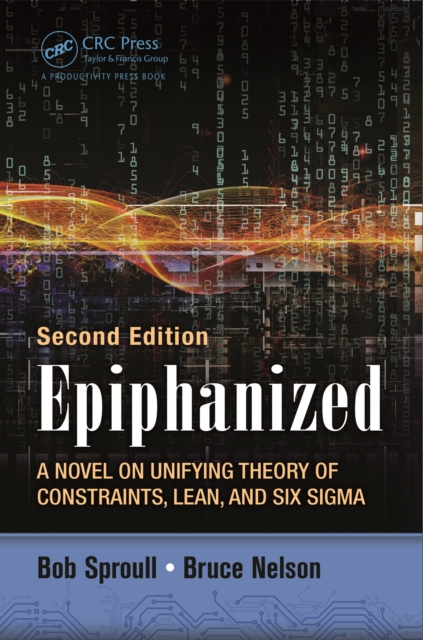
Updating the tools, principles, and methods presented in the bestselling first edition, this updated edition explains how to implement the authors proven improvement methodology that unifies the Theory of Constraints with Lean and Six Sigma.
Operational Excellence is achieved when all employees in your organization can see the flow of value to your customers and can make adjustments to that flow before it breaks down.
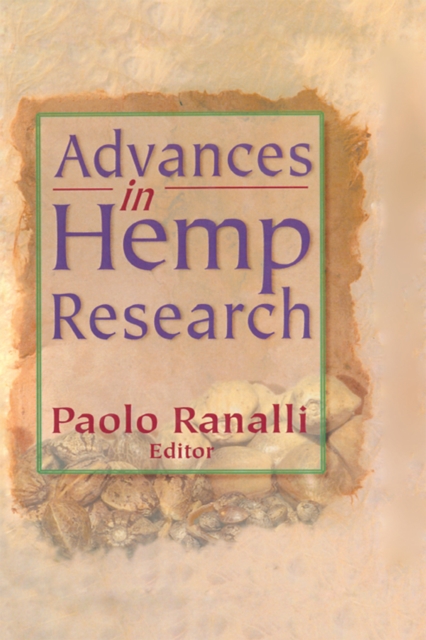
Offering up-to-date information on the uses and composition of the plant, Advances in Hemp Research provides growers, researchers, manufacturers, and suppliers with methods and data for the processing and cultivation of hemp for textile and paper products.
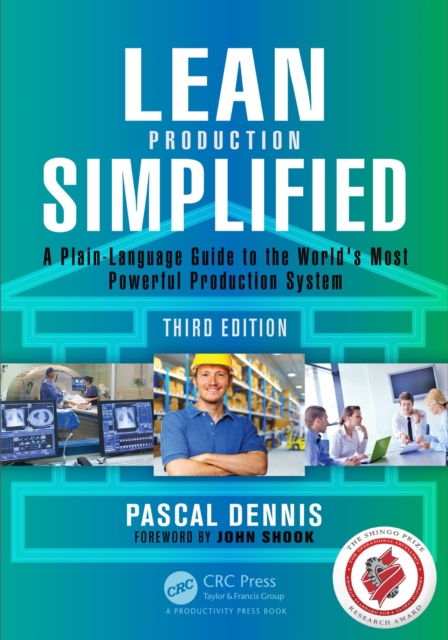
Following in the tradition of its Shingo Prize-winning predecessors, Lean Production Simplified, Third Edition gives a clear overview of the structure and tools of the Lean production system.
This book contains everything you need to know about modern history of dress design, from the corset-free styles of 1920s flappers to the conceptual constructions of modern artists.
The comprehensive volume deals with the manufacturing processes involved in the following Canadian industries: Aluminum, Beef, Brewing, Brick, Detergents, Flat-Drawn Glass, Asbestos-Magnesia Insulation, Iron and Steel, Magazine Publishing, Petroleum, Pulp and Paper, Rubber, Textiles (Cotton), Textiles (Wool), Textiles (Man-Made Fibres), Tobacco, Wire and Cable.
This volume of proceedings is concerned with an increasingly important area, that of intermetallics and high temperature aluminides, which has recently been attracting a great deal of attention.
Advances in Particulate Materials introduces the approaches and principles associated with basic powder production, and details the most critical, state-of-the-art advancements in the area of materials processing and particulate materials.
This volume provides an introduction to the texture analysis of deformed materials and explores methods of determining and interpreting the preferred orientation of crystals in deformed polycrystalline aggregates.
Non-sag (NS) tungsten is a dispersion-strengthened microalloy with elemental potassium, which is contained as microscopic bubbles in the tungsten lattice.