Building a Global Learning Organization: Using TWI to Succeed with Strategic Workforce Expansion in the LEGO Group describes how a multinational company developed a global structure for learning based on the TWI (Training Within Industry) program to create and sustain standardized work across multiple language and cultural platforms.
The text provides the reader with an in-depth understanding of the need for next-generation materials and manufacturing, especially in terms of their designing process, manufacturing, upscaling, and finally their selection for industrial applications.
This monograph is intended to present an overview- most of which is based on ideas and conclusions presented in published literature, the rest representing our own concepts developed through extensive research.
Written by a group of international experts, this book provides a comprehensive analysis of the main scientific and technological advances that ensure the continued functionality of cellulosic textile supports.
Rare metals play an important role in the development of major branches of industry, such as vacuum equipment, semiconductor electronics, nuclear power and rocket production, as well as in the production of special steels and hard, refractory and corrosion-resistant alloys.
Fashion Bags and Accessories explores fashion bags and related accessories, such as purses, wallets, clutches, cases, gloves and belts, through various approaches to creative design, product development, technological innovation, materials development, component design (hardware) and branding.
First published in1906, this book contains a classic guide to textiles, dealing specifically with various different fabrics and how they should be prepared and dyed.
In this early work on one of the most attractive crafts that man has developed, special attention is paid to the many details of leathercraft needed by the beginner if he wishes to produce attractive pieces of work.
This text comprises a wonderfully detailed and expansive handbook for crafting in a variety of common mediums, including metal, leather, wood, rope, yarn, pottery, and stone.
Contained within this volume is a detailed and comprehensive guide to general metalworking, with specific information materials, soldering, tools, and methods of sheet metalwork relating to farm and agricultural work.
In a world of increasing variability and complexity, companies seem to persist in using outdated and inadequate organizational models and work patterns.
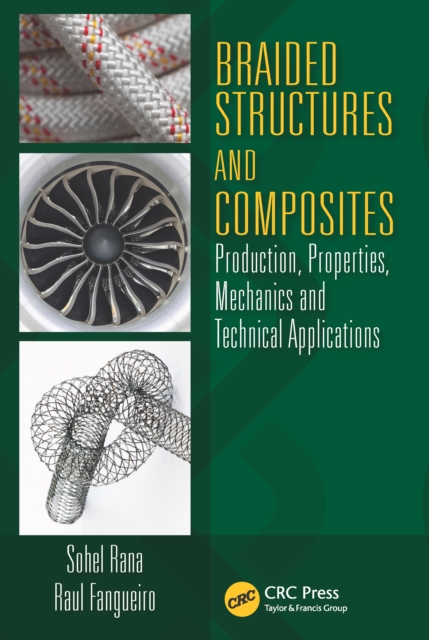
The term 'textile composites' is often used to describe a rather narrow range of materials, based on three-dimensional reinforcements produced using specialist equipment.
Bioactive Glass Materials for Biological Applications envelopes the complexities, challenges, and advancement in developing a new class of bioactive materials for versatile applications.
New Directions in Print Culture Studies features new methods and approaches to cultural and literary history that draw on periodicals, print culture, and material culture, thus revising and rewriting what we think we know about the aesthetic, cultural, and social history of transnational America.
In this modern technological era, conserving and making better use of resources like energy, water, and other essential resources have recently been one of the main concerns for the manufacturing industry.
This book is an implementation guide for creating a Lean Culture from the ground up while gaining buy-in from key stakeholders and being able to sustain the results.
Providing a reasonable level of profitability through productivity is - and will remain - one of the fundamental tasks of the management teams of any production company.
Reliability Centered Maintenance - Reengineered: Practical Optimization of the RCM Process with RCM-R(R) provides an optimized approach to a well-established and highly successful method used for determining failure management policies for physical assets.
The best healthcare organizations have developed effective approaches to develop compelling strategic visions and strategies based on long-term thinking and continue to apply Lean principles across their organizations to create a culture of continuous improvement.