Precipitation Hardening deals with precipitation hardening, an important method by which the resistance to plastic deformation of a metal crystal may be increased.
The Iron Blast Furnace: Theory and Practice presents the significant role of iron blast furnace by which iron is efficiently and rapidly reduced from ore and it is the basis for all primary steelmaking.
Chemical Metallurgy provides an understanding of the fundamental chemical principles and demonstrates the application of these principles to process metallurgy and corrosion protection.
Aluminum Alloys: Structure and Properties is a reference book that provides a concise description of the practical aspects of structures and properties of aluminum alloys.
Eutectic Solidification Processing: Crystalline and Glassy Alloys deals with solidification theory and its application to eutectic processing of crystalline and glassy alloys.
Steels: Metallurgy and Applications deals with the metallurgy and applications of steel and covers the broad spectrum of the mainstream commercial grades as well as the service or manufacturing requirements that govern their use.
An Introduction to Chemical Metallurgy, Second Edition introduces the reader to chemical metallurgy, including its fundamental principles and some of their applications.
Introduction to the Physical Metallurgy of Welding deals primarily with the welding of steels, which reflects the larger volume of literature on this material; however, many of the principles discussed can also be applied to other alloys.
The Structures of Alloys of Iron: An Elementary Introduction provides an elementary review of some of the factors affecting the structures of alloys of iron, with examples illustrating points of interest.
Modern Physical Metallurgy, Third Edition discusses the fundamental principles of physical metallurgy and demonstrates how the application of the principles leads to a clearer understanding of many technologically important metallurgical phenomena.
Modern Physical Metallurgy, Fourth Edition explains the fundamental principles of physical metallurgy and their application, allowing its readers to understand the many important technological phenomena of the field.
Control and Analysis in Iron and Steelmaking discusses the associated instrumentations and processes involved in iron and steel manufacture, with an emphasis on the process technologies of its various stages.
Chemical Metallurgy, Second Edition provides the fundamental chemical principles and demonstrates the application of these principles to process metallurgy, materials synthesis and processing, and corrosion protection.
Passivity of Metals and Semiconductors covers the proceedings of the Fifth International Symposium on Passivity, held in Bombannes, France on May30 - June3, 1983.
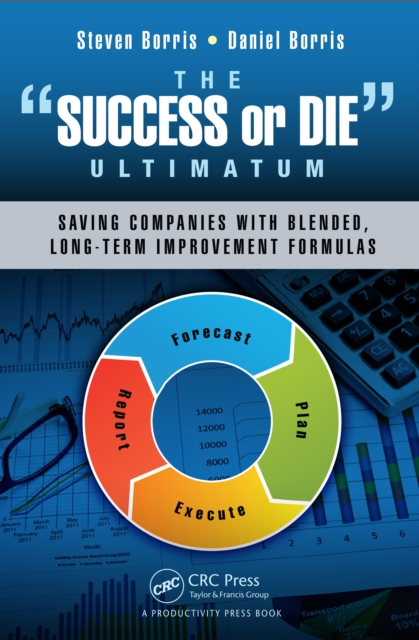
This book details a proven recipe for applying Lean, Six Sigma, and the Theory of Constraints in a manner that will maximize return on investment, cash flow, and net profits.
As companies continue their efforts to improve work performance, they must ensure that their ongoing Lean activities include a healthy appreciation for, and recognition of, human performance.
Hiroyuki Hirano's five pillars of the visual workplace: sort, set in order, shine, standardize and sustain are the most fundamental and often overlooked aspects in continuous improvement initiatives.
The change from traditional ways of producing and managing healthcare services to a just-in-time approach requires a new understanding about what adds value for the patient or customer, and what does not.
Move beyond Value Stream Mapping and Create Your Lean Future In Creating Your Lean Future State: How to Move from Seeing to Doing, Tom Luyster, with Don Tapping, details the implementation of lean after the creation of current and future state maps.
"e;Presents the most recent developments in the materials, properties, and performance characteristics of photographic, electrophotographic, electrostatic, diazo, and ink jet imaging processes.
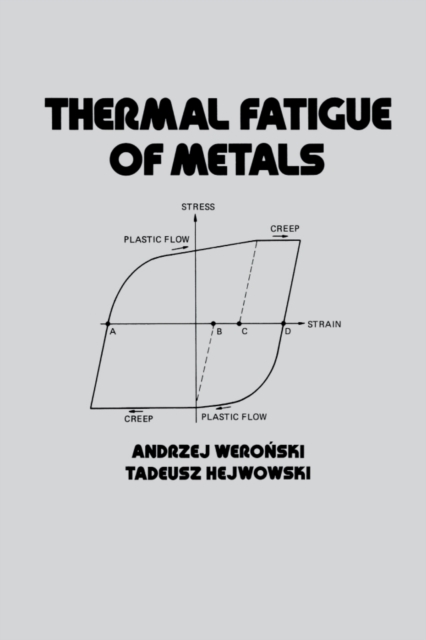
Using a mold for centrifugal casting as an example, discusses the types of apparatus and tools that are commonly affected by thermal fatigue during industrial processes, and examines the various factors that lead to such failure.
Gain a Deeper Understanding of Mechanical Fastening: Assemble More Efficient and Competitive ProductsA good design, quality parts, and properly executed assembly procedures and processes result in well-fastened assemblies.
The title presents an up-to-date account of the research, development, and applications of metallic alloys, recent research into the structure of charge materials, melt treatment, and casting technologies, and their influence on the properties of melts and ingots.
Laser-Arc Processes and Their Applications in Welding and Material Treatment presents a comprehensive and timely overview of laser-arc processes for material joining and treatment, which is a current and developing research area.
As the latest addition to The Basics Series, The Basics of Quality Auditing provides an inexpensive and easy-to-follow WHO, WHAT, WHERE, WHEN, WHY and HOW format that is perfect for training.
Introduces Emerging Engineering MaterialsMechanical, materials, and production engineering students can greatly benefit from Engineering Materials: Research, Applications and Advances.
The Lean Expert: Educating and Elevating Lean Practitioners Throughout Your Organization outlines a method that can help organizations engage associates and empower them to achieve "e;expert status"e; in the nine core principles of Lean.