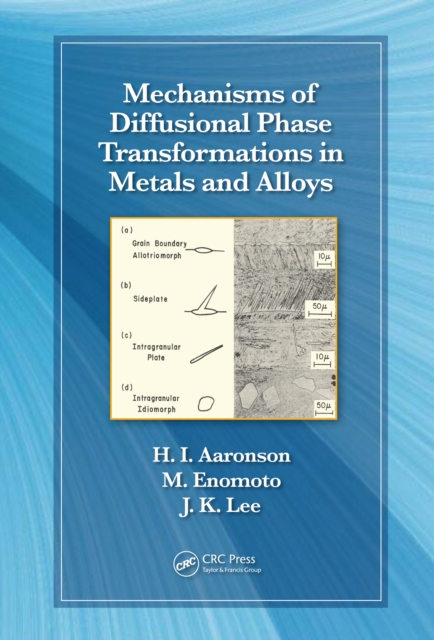
For students ready to advance in their study of metals, Physical Metallurgy, Second Edition uses engaging historical and contemporary examples that relate to the applications of concepts in each chapter.
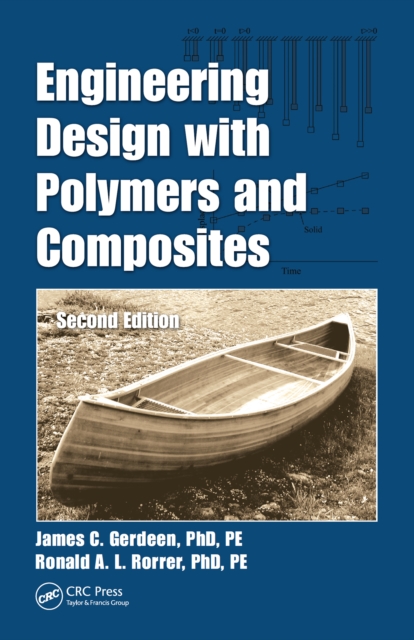
Engineering Design with Polymers and Composites, Second Edition continues to provide one of the only textbooks on the analysis and design of mechanical components made from polymer materials.
Considering that the biggest machines that do the most work are made up of smaller machines and components, it becomes obvious that when a large machine breaks, it is normally due to small components acting antagonistically.
In order for forensic fibre examiners to fully utilize fibre and textile evidence during their analysis, they require not only specialised forensic knowledge but also in-depth knowledge of fibres, yarns and fabrics themselves.
Manufacturing plays a vital role in European economy and society, and is expected to continue as a major generator of wealth in the foreseeable future.
Kaizen Events are an effective way to train organizations to break unproductive habits and adopt a continuous improvement philosophy while, at the same time, achieve breakthrough performance-level results.
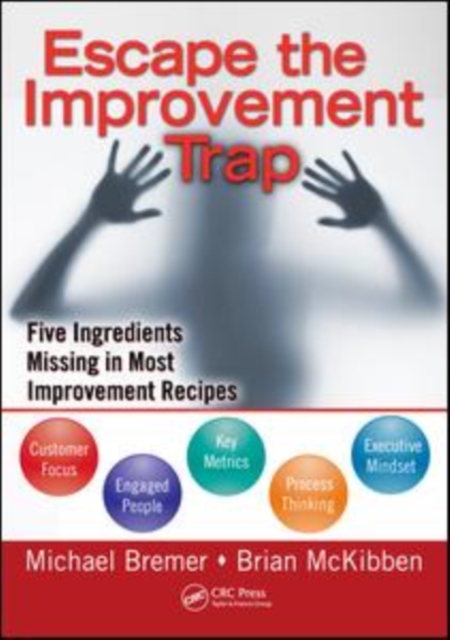
Written by two experts who have dedicated their careers to quality improvement, Escape the Improvement Trap: Five Ingredients Missing in Most Improvement Recipes separates itself from other improvement books by looking at why most companies rarely achieve anything more than an average level of improvement maturity.
Providing a carefully developed and comprehensive overview of the corrosion chemistry of metallic materials, this book covers the principal methods of corrosion prevention.
This is the true story of how, armed with only Lean improvement methodologies, a specially trained Toyota Lean expert purchased a business he knew nothing about, applied Lean techniques, and succeeded in doubling sales and increasing profitability, before he finally sold the thriving business.
Going beyond the usual how-to guide, Lean Six Sigma Secrets for the CIO supplies proven tips and valuable case studies that illustrate how to combine Six Sigma's rigorous quality principles with Lean methods for uncovering and eliminating waste inIT processes.
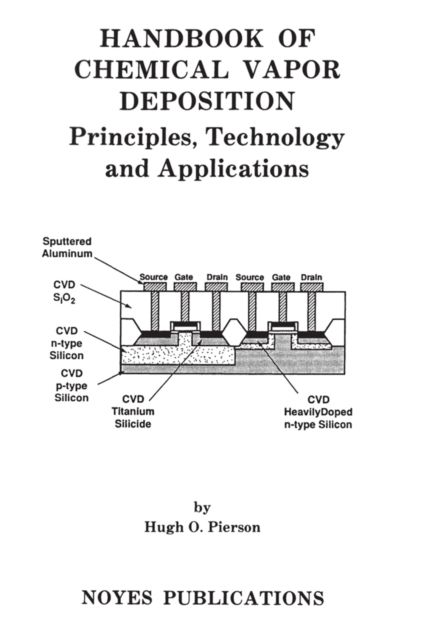
Handbook of Chemical Vapor Deposition: Principles, Technology and Applications provides information pertinent to the fundamental aspects of chemical vapor deposition.
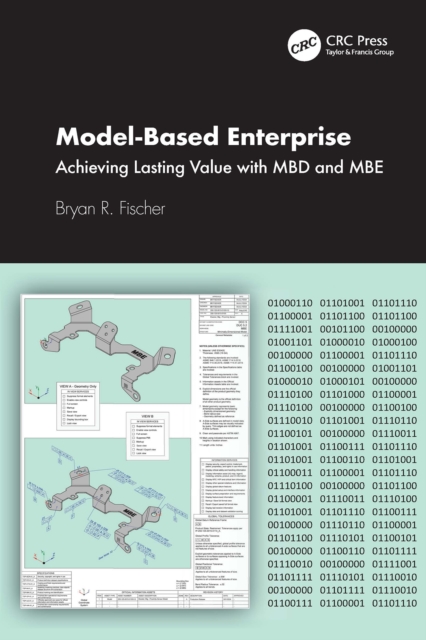
Model-Based Enterprise describes Model-Based Enterprise (MBE) and Model-Based Definition (MBD) in detail, focusing on how to obtain significant business value from MBE.
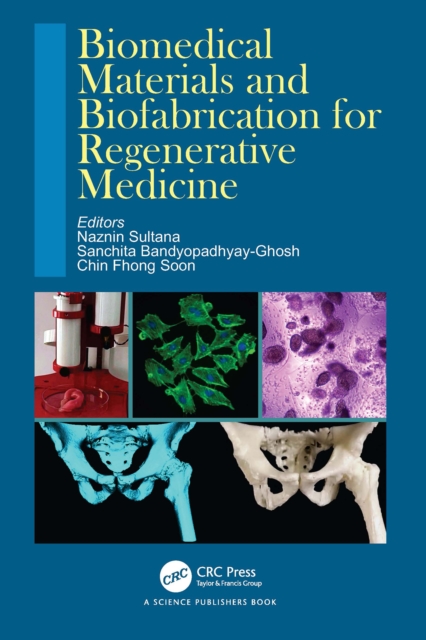
Biomedical Materials and Biofabrication for Regenerative Medicine addresses the existing and future trends of tissue engineering approaches for regenerating various organs/tissues.
Updated to include recent results from intensive worldwide research efforts in materials science, surface science, and corrosion science, Corrosion Mechanisms in Theory and Practice, Third Edition explores the latest advances in corrosion and protection mechanisms.
If you currently employ knowledge workers who do most of their work on computers or with computers, access the Internet, utilize internal and external databases, use e-mail or other new messaging technology, then this book is for you.
GPS-embedded clothing for finding children or skiers when they are lost, bio-monitoring smart shirts, and vests that monitor a patient's vital signs are no longer science fiction but science fact.
Toyota Production System methods have rendered remarkable results in high-volume manufacturing plants, but they have not been fully understood and correctly applied in high-mix, low-volume environments.
In Using Hoshin Kanri to Improve the Value Stream, leading lean and quality expert Elizabeth Cudney constructs a complete how-to guide that any organization can employ to start a Lean effort correctly and keep it on track.
Provides Reassurance and Suggestions From Those Who Have Walked the Same Lean RoadPerhaps the most fundamental challenge that companies adopting a lean strategy must face is how to sustain initial momentum and develop a corporate culture with an ongoing commitment to that strategy.
Creating Lean Corporations utilizes a bottom-up approach in which the employees who perform tasks are empowered to create and manage their own portions of the business process.
A teaching tool intended to complement existing books on the theory of materials science, metallurgy, and electron microscopy, this text focuses on metals and alloys.
Gold is used in a wide range of industrial and medical applications and accounts for over 10 percent of the annual demand for metal, worth billions of dollars annually.
Reflecting changes in machining practice, Fundamentals of Machining and Machine Tools, Third Edition emphasizes the economics of machining processes and design for machining.
Existing ERP systems are being used to support an increasing amount of critical e-business initiatives, even though this is far from their original purpose.
A comprehensive treatise on the hot working of aluminum and its alloys, Hot Deformation and Processing of Aluminum Alloys details the possible microstructural developments that can occur with hot deformation of various alloys, as well as the kind of mechanical properties that can be anticipated.
2D Metals: Fundamentals, Emerging Applications, and Challenges delves into the state-of- the-art advancements in utilizing 2D metals for emerging applications, encompassing a comprehensive overview of synthetic methodologies and characterization techniques provided by leading experts in the field.
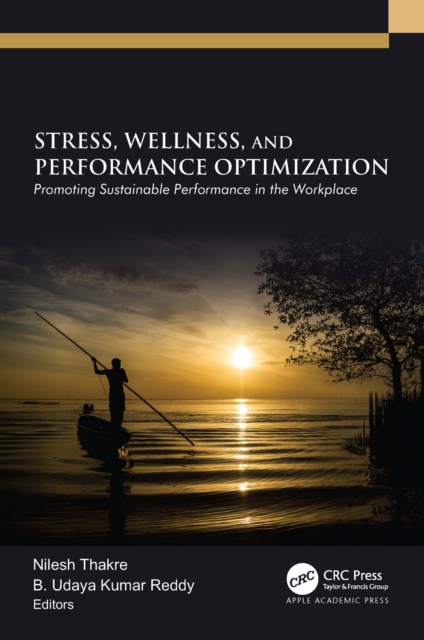
This volume examines the intertwined concepts of stress, performance, and wellness and offers insight and strategies for providing support to individuals and organizations for effective performance optimization.
This volume examines the intertwined concepts of stress, performance, and wellness and offers insight and strategies for providing support to individuals and organizations for effective performance optimization.
Smart ceramic coatings containing multifunctional components are now finding application in transportation and automotive industries, in electronics, and energy, sectors, in aerospace and defense, and in industrial goods and healthcare.
The Engineering Management discipline remains complex and multidisciplinary, and has progressed and broadened in scope significantly over the last 10-20 years.