Written and edited by experts on specialty elastomers applications in the mechanical and automotive products industries, the Handbook of Specialty Elastomers provides a single source reference for the design of compounds using specialty elastomers.
New synthetic techniques allow chemists to modify polymer microstructures more precisely than ever, making it possible to design materials that meet increasingly demanding performance requirements.
Rheology of Particulate Dispersions and Composites provides comprehensive coverage of fundamental principles and equations that govern the rheology for particulate dispersions and two-phase solid composites.
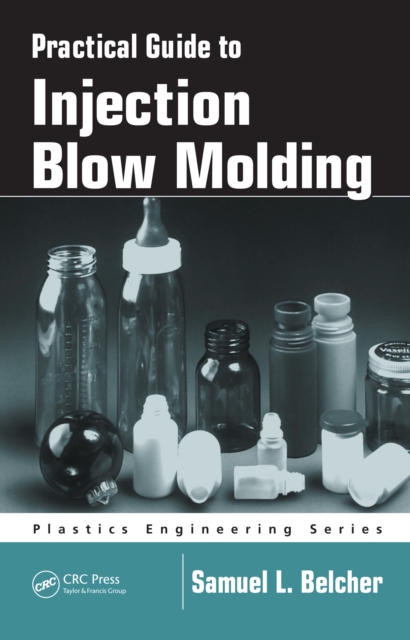
Taking a straight-forward approach, the Practical Guide to Injection Blow Molding explores the entire industry from conception, design, costing, tooling, and machinery, to trouble-shooting, testing, and daily production.
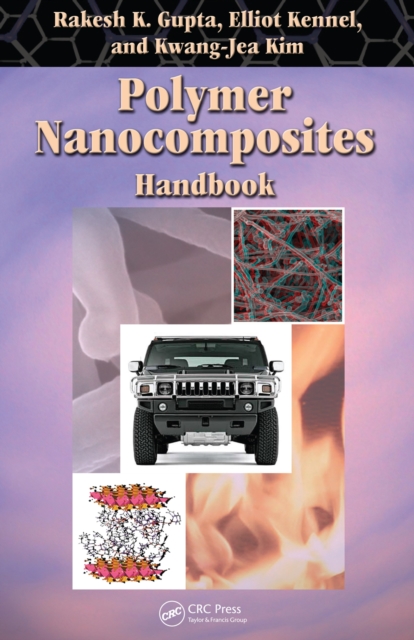
Reflecting the exceptional growth in the use of nanostructured materials for an increasing range of industrial applications, Polymer Nanocomposites Handbook comprehensively covers the synthesis of nanomaterials that act as the building blocks of polymer nanocomposites and polymers that act as matrix materials.
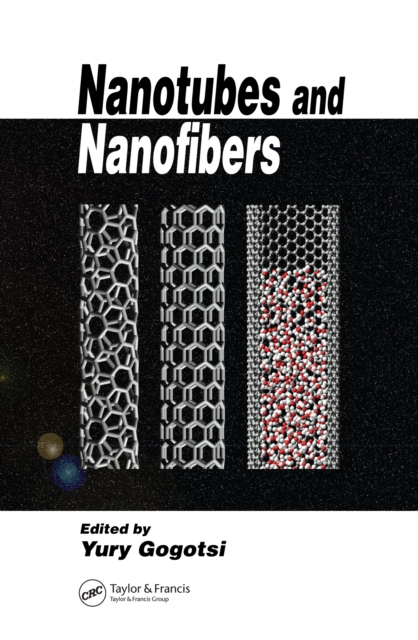
Size, Shape, and Synthesis Key toTuning PropertiesThe discovery and rapid evolution of carbon nanotubes have led to a vastly improved understanding of nanotechnology, as well as dozens of possible applications for nanomaterials of different shapes and sizes ranging from composites to biology, medicine, energy, transportation, a
Despite enormous advances made in the development of external effector prosthetics over the last quarter century, significant questions remain, especially those concerning signal degradation that occurs with chronically implanted neuroelectrodes.
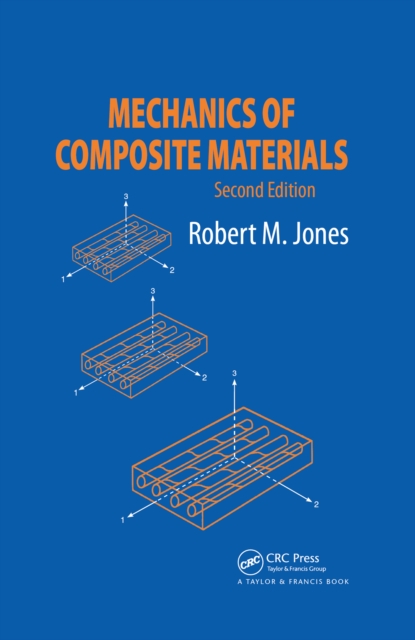
This third edition of a bestseller offers a current perspective on the mechanics, characteristics, test methods, applications, manufacturing processes, and design aspects of composites.
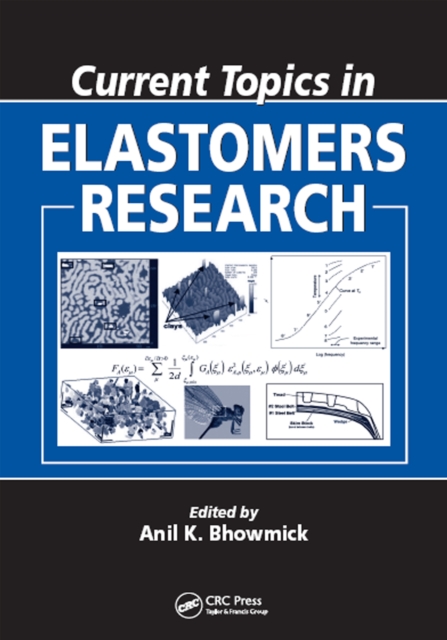
From weather-proof tires and artificial hearts to the o-rings and valve seals that enable successful space exploration, rubber is an indispensable component of modern civilization.
Silicon Based Polymers presents highlights in advanced research and technological innovations using macromolecular organosilicon compounds and systems, as presented in the 2007 ISPO congress.
Cellulose: Molecular and Structural Biology is an up-to-date treatise on the most advanced and provocative research into the biosynthesis, structure, and applications of Nature's most abundant macromolecule and renewable resource, cellulose.
ThispublicationpresentstheproceedingsofICPMSE-7,theSeventhInternational Conference on Protection of Materials and Structures from Space Environment, held in Toronto May 10-13, 2004.
'Biopolymers' are polymeric materials of biological origin, including globular, membrane, and fibrous proteins, polypeptides, nucleic acids, po- saccharides, lipids, etc.
MTDSC provides a step-change increase in the power of calorimetry to characterize virtually all polymer systems including curing systems, blends and semicrystalline polymers.
The book provides a unique collection of 15 contributions by 15 internationally recognized scientists performing intensive research activity on the preparation and characterization of complex and multiphase materials based on macromolecules as well as on the evaluation and simulation of structure/properties relations.
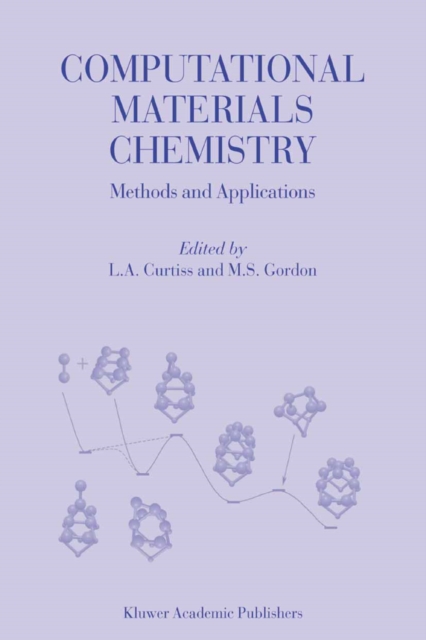
As a result of the advancements in algorithms and the huge increase in speed of computers over the past decade, electronic structure calculations have evolved into a valuable tool for characterizing surface species and for elucidating the pathways for their formation and reactivity.
This volume comprises the proceedings of a NATO Advanced Study Institute held at Geilo, Norway, 24 March - 3 April 2003, the seventeenth ASI in a series held every two years since 1971.
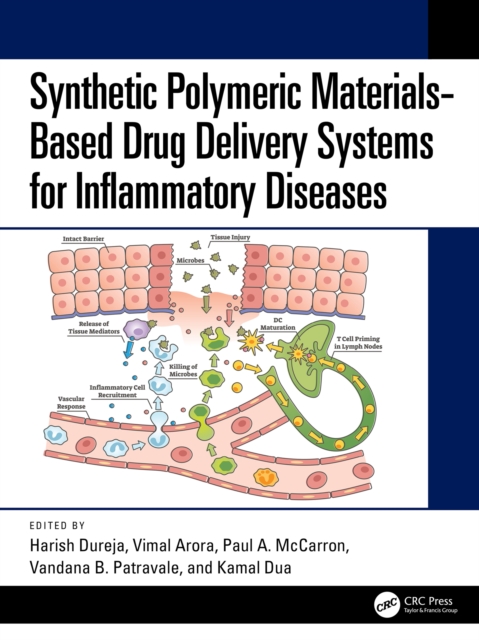
This book provides a comprehensive overview of synthetic polymers and their applications in designing delivery systems for the management of inflammatory diseases.
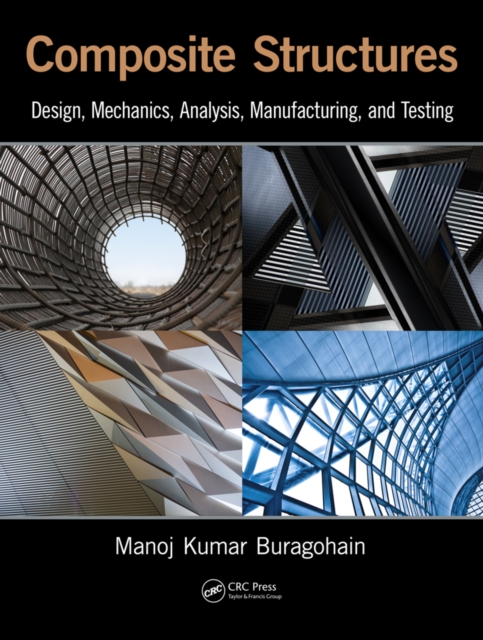
The primary objective of this book is to bridge this gap by presenting the concepts in composites in an integrated and balanced manner and expose the reader to the total gamut of activities involved in composite product development.
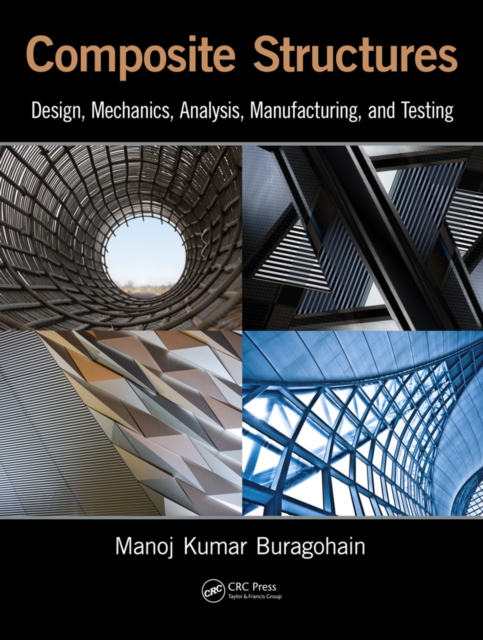
The primary objective of this book is to bridge this gap by presenting the concepts in composites in an integrated and balanced manner and expose the reader to the total gamut of activities involved in composite product development.
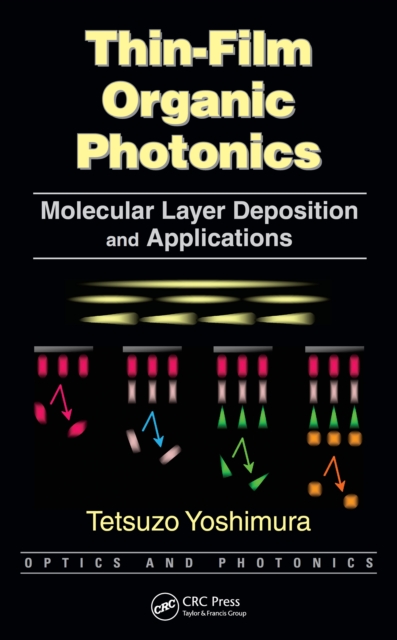
Among the many atomic/molecular assembling techniques used to develop artificial materials, molecular layer deposition (MLD) continues to receive special attention as the next-generation growth technique for organic thin-film materials used in photonics and electronics.
Complex electronic circuits and devices are flooding applications in nearly every facet of commercial and industrial activity, from automated equipment to all types of consumer products.
Organic light-emitting diode(OLED) technology has achieved significant penetration in the commercial market for small, low-voltage and inexpensive displays.
Since their discovery more than a decade ago, carbon nanotubes (CNTs) have held scientists and engineers in captive fascination, seated on the verge of enormous breakthroughs in areas such as medicine, electronics, and materials science, to name but a few.
This comprehensive text provides a basic introduction to the optical properties of polymers, as well as a systematic overview of the latest developments in their nano engineering applications-including L-GRIN lenses, 3D holographic displays, optical gene detection, and more.
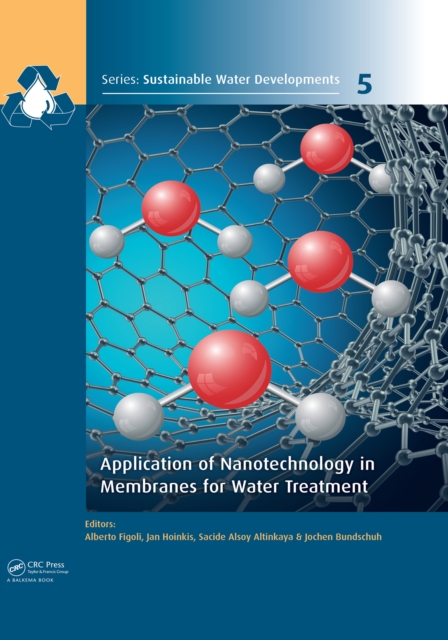
The book focuses on Application of Nanotechnology in Membranes for Water Treatment but not only provides a series of innovative solutions for water reclamation through advanced membrane technology but also serves as a medium to promote international cooperation and networking for the development of advanced membrane technology for Universal well-being and to achieve the common goal of supplying economically, environmentally and societally sustainable freshwater and better sanitation systems.
The book focuses on Application of Nanotechnology in Membranes for Water Treatment but not only provides a series of innovative solutions for water reclamation through advanced membrane technology but also serves as a medium to promote international cooperation and networking for the development of advanced membrane technology for Universal well-being and to achieve the common goal of supplying economically, environmentally and societally sustainable freshwater and better sanitation systems.
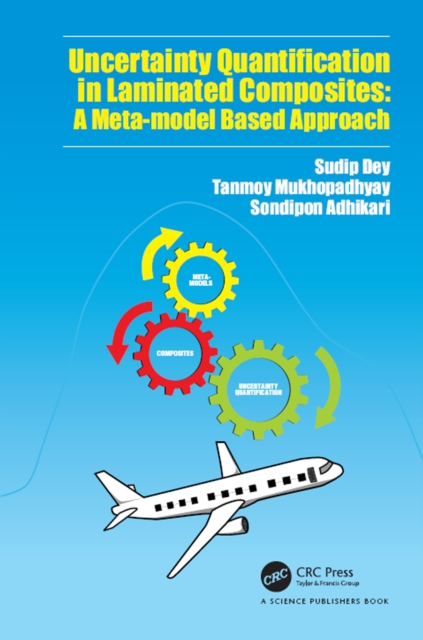
Over the last few decades, uncertainty quantification in composite materials and structures has gained a lot of attention from the research community as a result of industrial requirements.
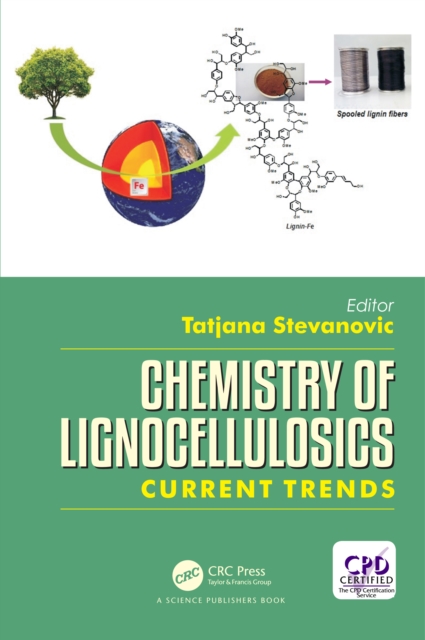
This book presents the chemical properties of lignocellulosic fibers, knowledge of which is essential for innovation and sustainable development of their transformation.
Tribology and Applications of Self-Lubricating Materials provides insight into the complex mechanisms behind the development of self-lubricating materials, which due to their ability to transfer embedded solid lubricants to the contact surface to decrease wear rate and friction in the absence of an external lubricant, make up an important part of engineering materials used today.
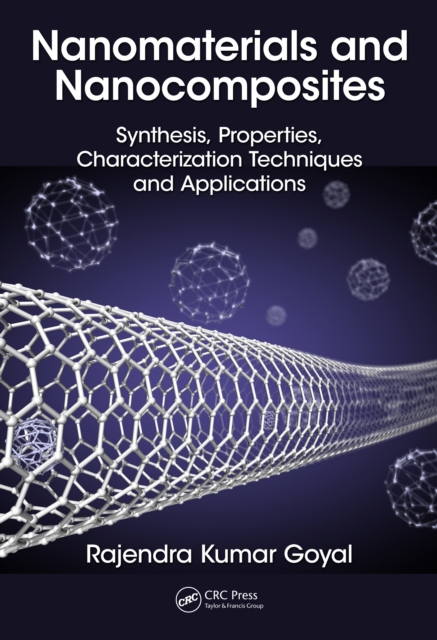
The main aims of this book are to summarize the fundamentals, synthesis methods, properties and applications of nanomaterials, so as to provide readers with a systematic knowledge on nanomaterials.