Earthquake Engineering and Structural Control: Theory and Applications examines the basics of structural dynamics with its application for earthquake engineering and structural control methods.
The book provides a guide to rock engineers and engineering geologists as to how to perform laboratory tests and how to use the existing data for solving practical rock engineering design and operating problems.
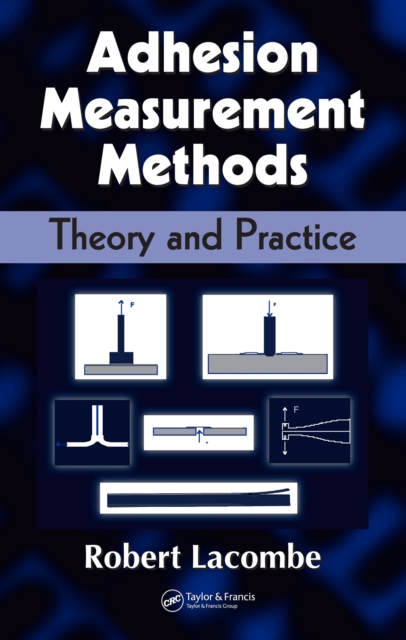
Adhesion Measurement Methods: Theory and Practice provides practical information on the most important measurement techniques, their unique advantages and disadvantages, and the selection of the proper method for a given application.
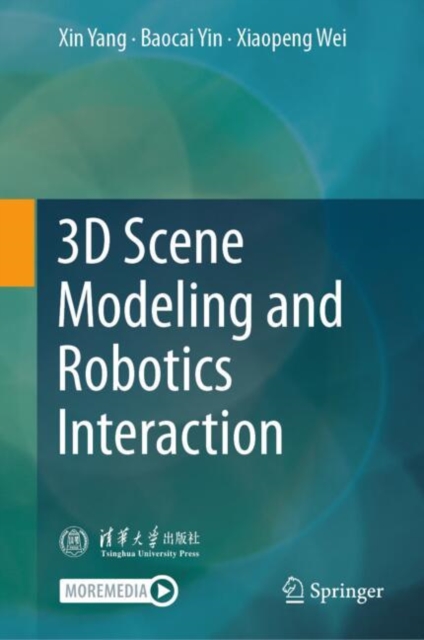
This book focuses on the intelligent perception and interaction module in intelligent robotic systems, establishes a multidisciplinary cross-fertilization knowledge system, explores the related technology frontiers and research frontiers as comprehensively as possible from the perspective of scene modeling and understanding, and develops a practical exposition of practical application tasks such as robotic navigation, obstacle avoidance, and grasping.
This second edition of Impact Engineering covers the dynamic analysis of structures undergoing small to large displacements, linear and nonlinear elastic material behavior to viscoplasticity, and the range of features of structural impact analysis.
This book offers selected papers presented at the 3rd International Conference on Industrial Applications of Adhesives, held in Cascais, Portugal, March 7-8, 2024.
This text, now in its second edition, offers an up-to-date, expanded treatment of the behaviour of polymers with regard to material variables and test and use conditions.
Spintronics, being a part of electronics, is under intense development for about forty years and mainly concerns transport of electronics spin in low-dimensional structures.
Dieses Lehrbuch für Fortgeschrittene eignet sich für Studenten in Kursen zur Fahrzeugdynamik, die sich im letzten Jahr ihres Grundstudiums oder im ersten Jahr ihres Graduiertenstudiums befinden.
This book offers selected papers presented at the 3rd International Conference on Industrial Applications of Adhesives, held in Cascais, Portugal, March 7-8, 2024.
Introduction to Mechanical Engineering: Part 2 is the essential text for all second-year undergraduate students as well as those studying foundation degrees and Higher National Diplomas.
Introduction to Mechanical Engineering: Part 2 is the essential text for all second-year undergraduate students as well as those studying foundation degrees and Higher National Diplomas.
This book introduces an approach of controlling vehicle height and attitude by actively raising and lowering vibration isolators via asymmetric damping adjustment.
Earthquake Engineering and Structural Control: Theory and Applications examines the basics of structural dynamics with its application for earthquake engineering and structural control methods.
This second edition of Impact Engineering covers the dynamic analysis of structures undergoing small to large displacements, linear and nonlinear elastic material behavior to viscoplasticity, and the range of features of structural impact analysis.
Application of Finite Element Analysis for Fracture and Damage Mechanics focuses on the finite element analysis of various material models and their relevant fracture and damage models using this advanced software.
New Edition Now Covers Thin Plates, Plastic Deformation, Dynamics and VibrationStructural and stress analysis is a core topic in a range of engineering disciplines - from structural engineering through to mechanical and aeronautical engineering and materials science.
Tandem Hot Metal Rolling Mill Control is a response to the significant control engineering challenges posed by the nature and circumstances of the hot metal strip rolling process.
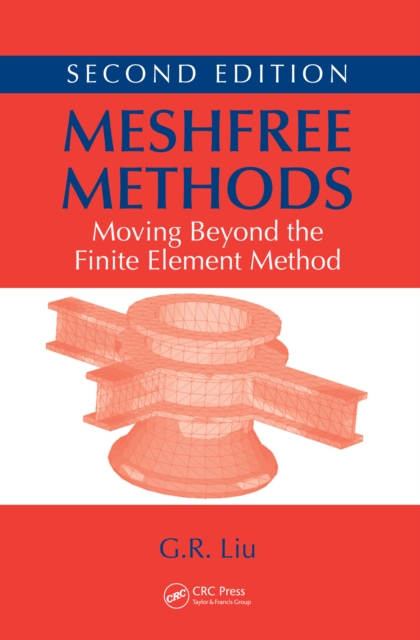
Understand How to Use and Develop Meshfree TechniquesAn Update of a Groundbreaking WorkReflecting the significant advances made in the field since the publication of its predecessor, Meshfree Methods: Moving Beyond the Finite Element Method, Second Edition systematically covers the most widely used meshfree methods.
It is universally recognised and accepted that overall ship vibration as an important measure to ensure the habitability, safety and functionality of marine vessels.
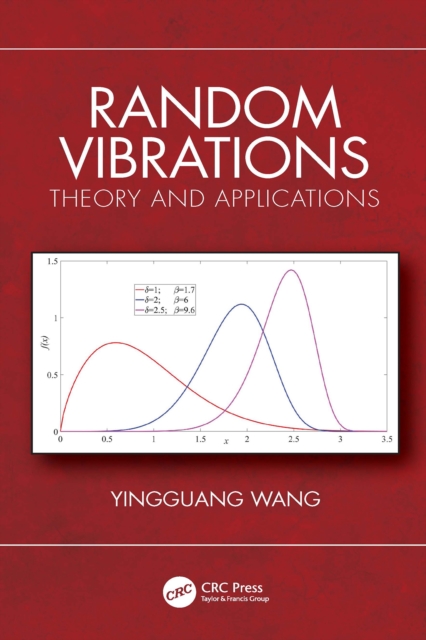
Random Vibrations: Theory and Applications investigates methods and theories involved in random vibration analyses of linear and nonlinear systems, as well as in predicting random vibration induced failures.
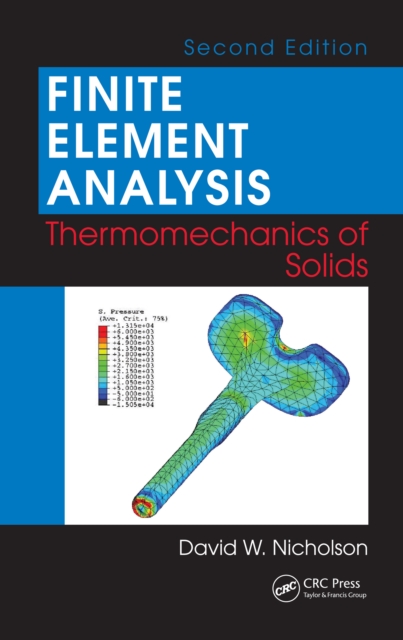
Explore a Unified Treatment of the Finite Element MethodThe finite element method has matured to the point that it can accurately and reliably be used, by a careful analyst, for an amazingly wide range of applications.
This book comprises the proceedings of the Conference and Exhibition on Non-Destructive Evaluation (NDE 2021) organised by the Indian Society for Non-destructive Testing (ISNT).
This book comprises the proceedings of the Conference and Exhibition on Non-Destructive Evaluation (NDE 2021) organised by the Indian Society for Non-destructive Testing (ISNT).
There are various techniques to optimize either structural parameters, or structural controllers, but there are not many techniques that can simultaneously optimize the structural parameters and controller.
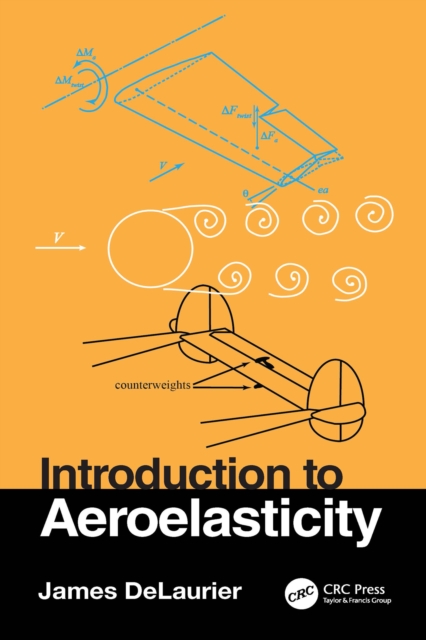
Introduction to Aeroelasticity introduces the classical topics of aeroelasticity, beginning with elastic structural modeling and the way that wing and tail structures can diverge and deform due to aerodynamic, inertial, and control-surface deflections.
Featuring in-depth discussions on tensile and compressive properties, shear properties, strength, hardness, environmental effects, and creep crack growth, "e;Mechanical Properties of Engineered Materials"e; considers computation of principal stresses and strains, mechanical testing, plasticity in ceramics, metals, intermetallics, and polymers, materials selection for thermal shock resistance, the analysis of failure mechanisms such as fatigue, fracture, and creep, and fatigue life prediction.
This book comprises the select peer-reviewed proceedings of the 8th Asian Conference on Mechanics of Functional Materials and Structures (ACMFMS 2022).
This book comprises the select peer-reviewed proceedings of the 8th Asian Conference on Mechanics of Functional Materials and Structures (ACMFMS 2022).
Before structural mechanics became the common language of structural engineers, buildings were built based on observed behavior, with every new solution incurring high levels of risk.
Governed by strict regulations and the intricate balance of complex interactions among variables, the application of mechanics to vehicle crashworthiness is not a simple task.
Working and living onboard vessels imposes a series of generally low-frequency mechanical vibrations as well as single-impulse shock loads on the human body.
With increasingly sophisticated structures involved in modern engineering, knowledge of the complex vibration behavior of plates, shells, curved membranes, rings, and other complex structures is essential for today's engineering students, since the behavior is fundamentally different than that of simple structures such as rods and beams.