Monatomic Two-Dimensional Layers: Properties, Fabrication and Industrial Applications provides a detailed examination on basic principles and state-of-the-art experimental techniques for monatomic layers on model surfaces, and in operating devices.
Maximize productivity while minimizing environmental impactDevelop sustainable products, energy sources, and processes using the concepts and methods contained in this interdisciplinary resource.
Nanotechnology and Biosensors shows how nanotechnology is used to create affordable, mass-produced, portable, small sized biosensors to directly monitor environmental pollutants.
Nanotechnologies in Preventative and Regenerative Medicine demonstrates how control at the nanoscale can help achieve earlier diagnoses and create more effective treatments.
Assessing Nanoparticle Risks to Human Health provides a systematic overview of nanoparticle risks and considers the limitations of this paradigm in a context where extreme uncertainties prevail.
Emerging Nanotechnologies in Immunology aims to deliver a systematic and comprehensive review of data concerning the nature of interaction and nano-related risks between the nanophamaceuticals currently in the pipeline of S&T development for skin, ocular, and nasal drug delivery, including absorption, toxicity, and the ability to distribute after systemic exposure.
Thermoelectricity and Heat Transport in Graphene and Other 2D Nanomaterials describes thermoelectric phenomena and thermal transport in graphene and other 2-dimentional nanomaterials and devices.
Drug Delivery Nanosystems for Biomedical Application reviews some of the most challenging nanosystems with different routes of delivery that are useful for specific drugs, from both efficacy and bioavailability points-of-view.
Heat Transport in Micro- and Nanoscale Thin Films presents aspects and applications of the principle methods of heat transport in relation to nanoscale films.
Research and innovation in areas such as circuits, microsystems, packaging, biocompatibility, miniaturization, power supplies, remote control, reliability, and lifespan are leading to a rapid increase in the range of devices and corresponding applications in the field of wearable and implantable biomedical microsystems, which are used for monitoring, diagnosing, and controlling the health conditions of the human body.
Lipid-Based Nanocarriers for Drug Delivery and Diagnosis explores the present state of widely used lipid-based nanoparticulate delivery systems, such as solid lipid nanoparticles (SLN), nanostructured lipid carriers (NLC), nanoliposomes, micelles, nanoemulsions, nanosuspensions and lipid nanotubes.
In the second edition of Emerging Nanotechnologies for Manufacturing, an unrivalled team of international experts explores existing and emerging nanotechnologies as they transform large-scale manufacturing contexts in key sectors such as medicine, advanced materials, energy, and electronics.
This book covers the fundamentals and methods of biologically producing nanoparticles using microorganisms such as bacteria, fungi, and algae, along with optimization strategies for microbe-mediated nanoparticle production.
With Application of Nonlinear Systems in Nanomechanics and Nanofluids the reader gains a deep and practice-oriented understanding of nonlinear systems within areas of nanotechnology application as well as the necessary knowledge enabling the handling of such systems.
Thermal and Rheological Measurement Techniques for Nanomaterials Characterization, Second Edition covers thermal and rheological measurement techniques, including their principle working methods, sample preparation and interpretation of results.
Experimental Characterization, Predictive Mechanical and Thermal Modeling of Nanostructures and Their Polymer Composite focuses on the recent observations and predictions regarding the size-dependent mechanical properties, material properties and processing issues of carbon nanotubes (CNTs) and other nanostructured materials.
An overview of the recent developments and prospects in this highly topical area, covering the synthesis, characterization, properties and applications of hierarchical nanostructured materials.
Theoretical, computational, and experimental electromagnetic modeling and characterizationThis engineering and scientific handbook offers extensive coverage of electromagnetic modeling and characterization of composite materials from the theoretical, computational, and experimental points of view.
Understand the principles, practices, and applications of bionanotechnologyThis hands-on textbook covers key aspects of bionanotechnology from an engineering perspective.
This book aims to discuss the various drug delivery approaches of neuroprotective medicines via nanoparticles, such as enzymes, monoclonal antibodies, neurotrophic factors, pharmaceutical drugs, and nucleic acid-based medication, to manage Alzheimer's disease.
To provide an interdisciplinary readership with the necessary toolkit to work with micro- and nanofluidics, this book provides basic theory, fundamentals of microfabrication, advanced fabrication methods, device characterization methods and detailed examples of applications of nanofluidics devices and systems.
Nanotechnology Environmental Health and Safety, Second Edition focuses not only on the impact of nanotechnology and the discipline of nanotoxicity, but also explains each of these disciplines through in the context of management requirements and via risk scenarios - providing an overview of regulation, risk management, and exposure.
Applied Nanotechnology takes an integrated approach to the scientific, commercial and social aspects of nanotechnology, exploring:- The relationship between nanotechnology and innovation- The changing economics and business models required to commercialize innovations in nanotechnology- Product design case studies- Applications in various sectors, including information technology, composite materials, energy, and agriculture- The role of government in promoting nanotechnology- The potential future of molecular self-assembly in industrial productionIn this 2e, new chapters have been added on energy applications and the role of nanotechnology in sustainability.
Nanomedicine is defined as the application of nanobiotechnology in clinical medicine, which is currently being used to research the pathomechanism of disease, refine molecular diagnostics, and aid in the discovery, development, and delivery of drugs.
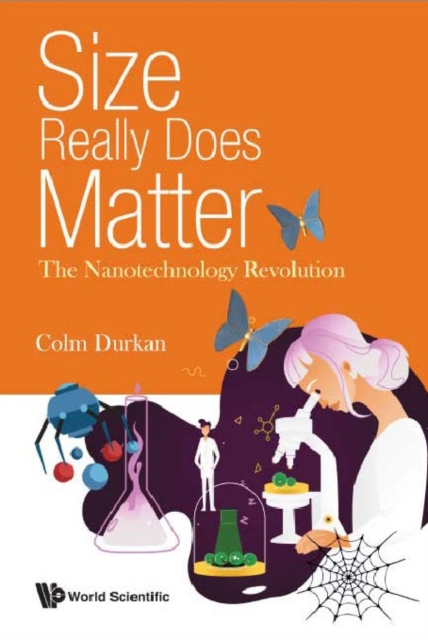
'The text is lightly written but, underneath the entertaining gloss of anecdote and personal detail, this is actually an intensely serious and carefully constructed book, aimed at informing the educated public about science in general and nanotechnology in particular.
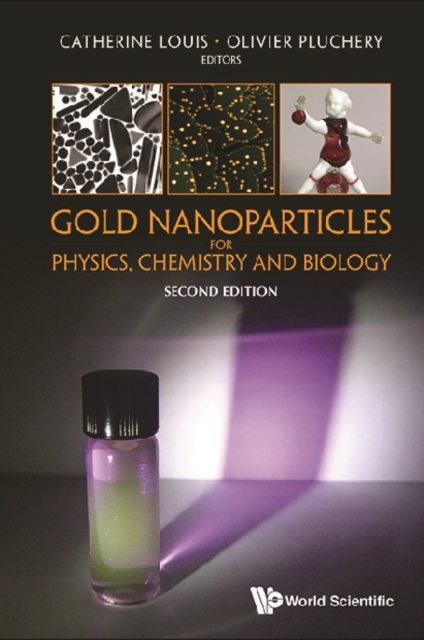
Gold Nanoparticles for Physics, Chemistry and Biology offers an overview of recent research into gold nanoparticles, covering their discovery, usage and contemporary practical applications.
The ability to measure and manipulate matter on the nanometer level is making possible a new generation of materials with enhanced mechanical, optical, transport and magnetic properties.
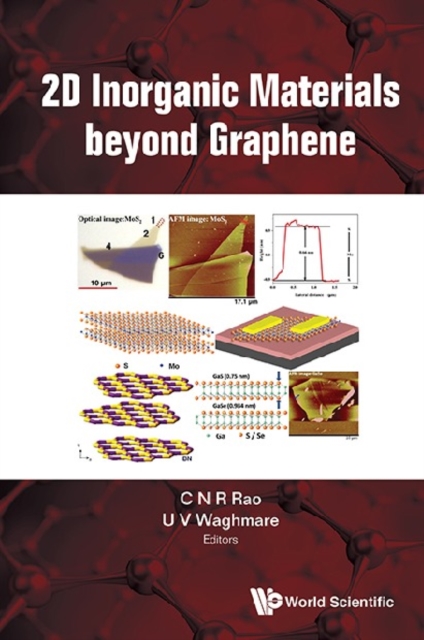
Two-dimensional materials have had widespread applications in nanoelectronics, catalysis, gas capture, water purification, energy storage and conversion.
Nanocellulose, a unique and promising natural material extracted from native cellulose, has received immense interest for its broad spectrum of applications owing to its remarkable physical properties, special surface chemistry, and excellent biological properties (biocompatibility, biodegradability and low toxicity).
The use of nanomaterials in energy conversion and storage represents an opportunity to improve the performance, density and ease of transportation in renewable resources.
This book describes for readers the protection of electronic hardware in space vehicles from the negative effects of space dust and electromagnetic irradiation.
This book presents the state of the art in the processing, properties, and applications in various fields of science and technology related to graphene and its derivatives.
Written by the founder of the field of carbon "e;quantum"e; dots (carbon dots) and related technology, this book outlines the principles of carbon dots and presents strong evidence for that small carbon nanoparticles and by extension carbon dots represent the nanoscale carbon allotrope at zero-dimension.
Nanobiotechnology Applications in Plant Protection: Volume 2 continues the important and timely discussion of nanotechnology applications in plant protection and pathology, filling a gap in the literature for nano applications in crop protection.
This book has been assembled with the hope of being an authoritative, comprehensive, conceptually sound and highly informative compilation of recent advances describing the concepts of bioengineering in the field of microbiology.
This book provides a compilation of the current developments in mucosal nanovaccines, which are an attractive approach to fight against infectious and non-communicable diseases.