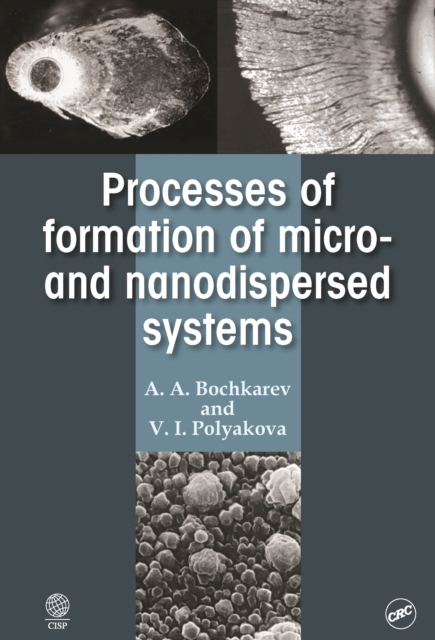
Processes of Formation of Micro- and Nanodispersed Systems is a comprehensive analysis and presentation of the physical processes and phenomena that lead to the formation of disperse materials.
The rapidly emerging fields of nanotechnology and nano-fabrication have enabled the creation of new sensors with dramatic improvements in sensitivity and range, along with substantial miniaturization.
Biological and Pharmaceutical Applications of Nanomaterials presents the findings of cutting-edge research activities in the field of nanomaterials, with a particular emphasis on biological and pharmaceutical applications.
The field of molecular materials research looks at the preparation and characterization of potentially useful materials with enhanced physical, chemical, and biomedical properties.
An Alternative to Copper-Based Interconnect TechnologyWith an increase in demand for more circuit components on a single chip, there is a growing need for nanoelectronic devices and their interconnects (a physical connecting medium made of thin metal films between several electrical nodes in a semiconducting chip that transmit signals from one point to another without any distortion).
Understanding the physical properties and dynamical behavior of nanochannel flows has been of great interest in recent years and is important for the theoretical study of fluid dynamics and engineering applications in physics, chemistry, medicine, and electronics.
This book covers the formation, properties, characterization, and application of different kinds of colloidal delivery systems that can be utilized within the food industry, including surfactant-based, emulsion-based, and biopolymer-based systems.
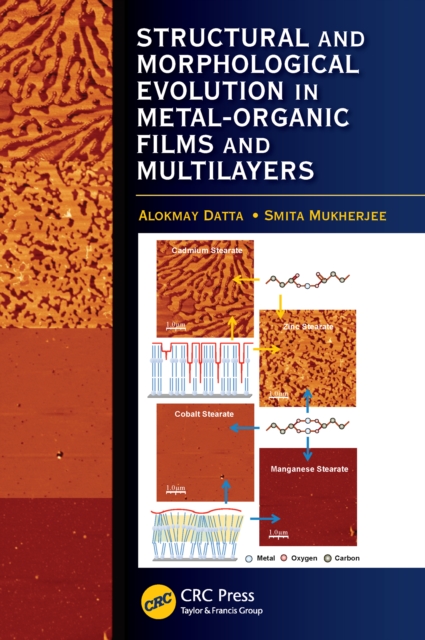
Structural and Morphological Evolution in Metal-Organic Films and Multilayers presents major results of the authors' work carried out on Langmuir monolayers and Langmuir-Blodgett multilayers.
The need for economically feasible and multifunctional materials becomes more acute as the natural physical and chemical resources reveal either their limits or reveal the difficulties and increasing costs in storage, transport, and conversion.
Nanosturctures, Nanomaterials, and Nanotechnologies to NanoindustryA presents the most important information about new trends in nanochemistry and nanotechnology as well as in nanobiology and nanomedicine.
Although there are many theoretical nanotechnology and nanoscience textbooks available to students, there are relatively few practical laboratory-based books.
This book provides a comprehensive introduction to advanced drug delivery and targeting, covering their principles, current applications, and potential future developments.
This book provides a comprehensive introduction to advanced drug delivery and targeting, covering their principles, current applications, and potential future developments.
Suitable for readers from broad backgrounds, Graphene: Energy Storage and Conversion Applications describes the fundamentals and cutting-edge applications of graphene-based materials for energy storage and conversion systems.
This book provides valuable information on the new class of nanostructures-metal/carbon nanocomposites-and discusses new methods of their synthesis, properties, and applications.
Micro- and Nanoelectronics: Emerging Device Challenges and Solutions presents a comprehensive overview of the current state of the art of micro- and nanoelectronics, covering the field from fundamental science and material properties to novel ways of making nanodevices.
An Accessible, Scientifically Rigorous Presentation That Helps Your Students Learn the Real StuffWinner of a CHOICE Outstanding Academic Book Award 2011"e;, takes the revolutionary concepts and techniques that have traditionally been fodder for graduate study and makes them accessible for all.
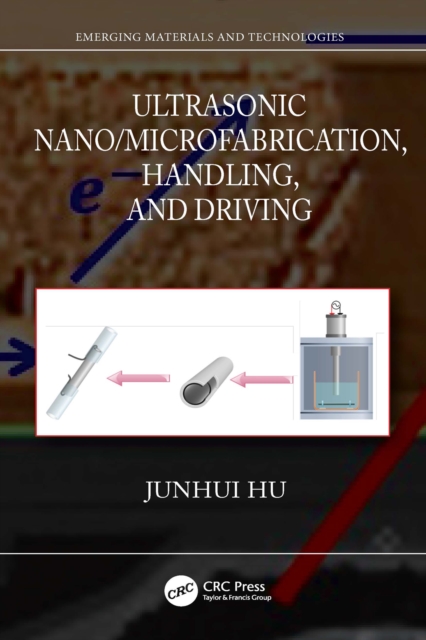
Ultrasonic nano/microfabrication, handling and driving is an emerging actuation technology, which utilizes ultrasonic vibration and the physical effects of ultrasonic vibration in fluids and solids to implement the fabrication, handling and driving of nano/micro scale objects.
The main goal of solid-state physics is investigation of the properties of the matter including the mechanical, electrical, optical, magnetic, and so on with the aim of developing new materials with defined characteristics.
Mechanical engineering, an engineering discipline forged and shaped by the needs of the industrial revolution, is once again asked to do its substantial share in the call for industrial renewal.
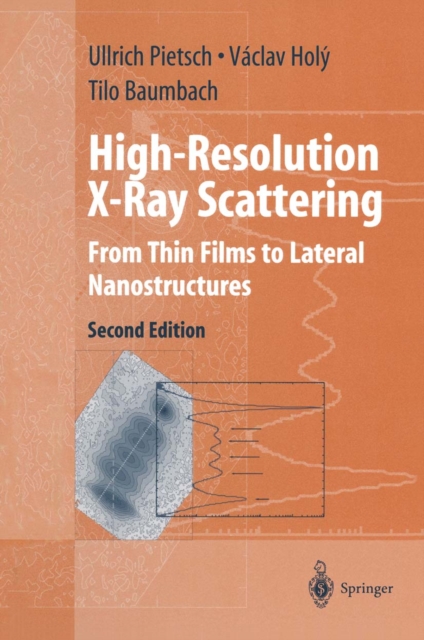
During the last 20 years interest in high-resolution x-ray diffractometry and reflectivity has grown as a result of the development of the semiconductor industry and the increasing interest in material research of thin layers of magnetic, organic, and other materials.
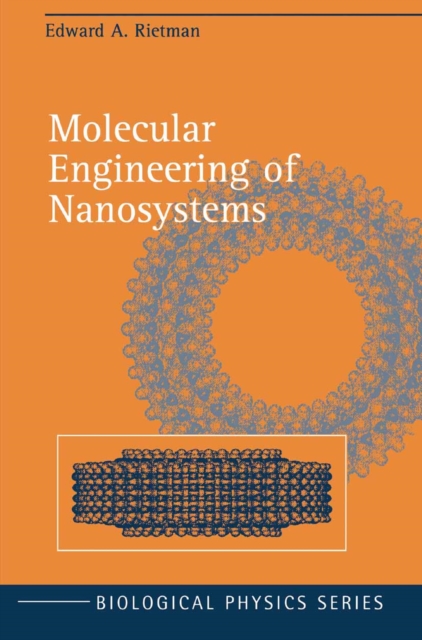
Molecular nanotechnology is an emerging technology that allows us to build materials and systems with atomic and molecular precision by manipulating atoms and molecules at very small scales, ultimately at the single molecule scale.
Nanotechnology Essentials provides a comprehensive introduction to the exciting field of nanotechnology, covering fundamental concepts, fabrication techniques, and practical applications.
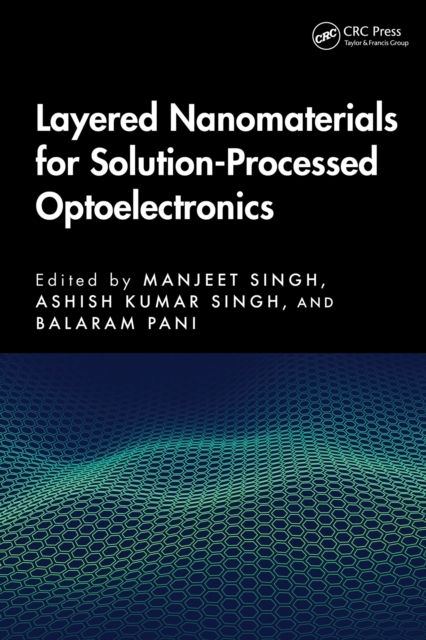
This book will provide different strategies and deliberate engineering concepts for the processing and application of advanced nanomaterials with layered structures for optoelectronic devices to enable device production at an industrial scale.
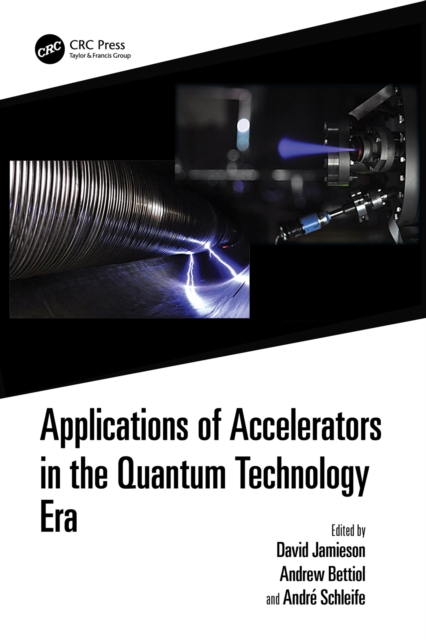
This book explores new experimental techniques and theoretical models to deepen an understanding of radiation effects and ion interaction processes in order to design materials for devices for the emerging quantum technology era.
This book describes the development of three dimensional electroactive fibres using a novel coaxial wet-spinning approach from organic conductors in combination with non-conducting hydrogel polymers.
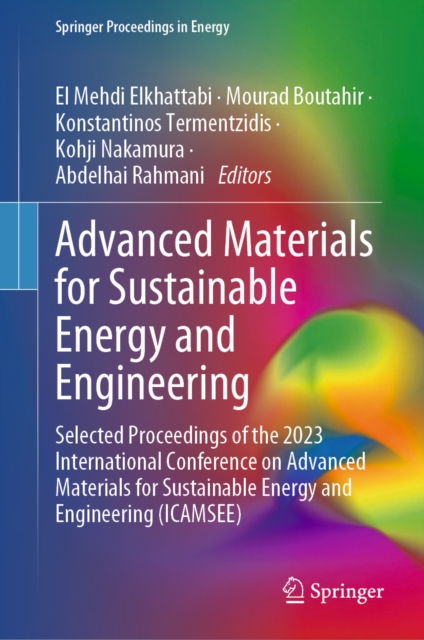
This book presents selected peer-reviewed proceedings from the International Conference on Advanced Materials, Sustainable Energy, and Engineering (ICAMSEE2023), held at Ecole Normale Superieure, University Moulay Ismail Meknes, Morocco, from November 27 to 29, 2023.
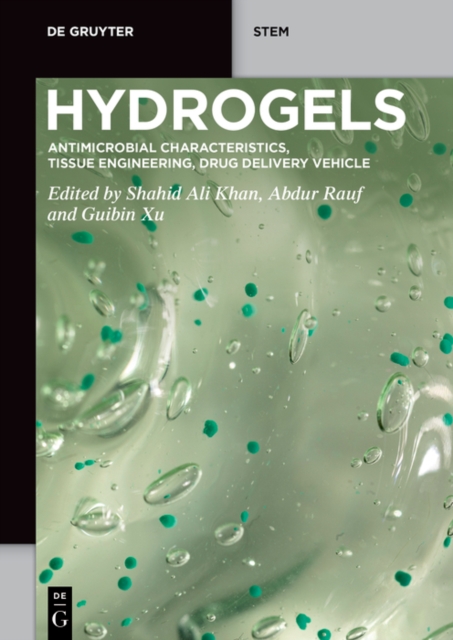
With the advancement in medicinal chemistry and material science, several highly specific, biocompatible and non-toxic therapeutic agents have been discovered and successfully applied for various clinical applications.
The volume "e;Nanocomposite and Nanohybrid Materials: Processing and Applications"e; is an outstanding resource for exploring the findings and recent trends of nanocomposites and nanohybrid materials.
With the emergence of nanoscience and technology in the 21st century, research has shifted its focus on the quantum and optical dynamical properties of matter such as atoms, molecules, and solids which are properly characterized in their dynamic state.
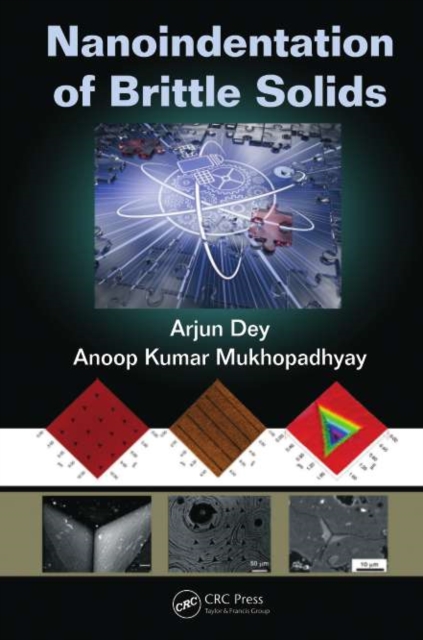
Understanding the Basics of Nanoindentation and Why It Is ImportantContact damage induced brittle fracture is a common problem in the field of brittle solids.
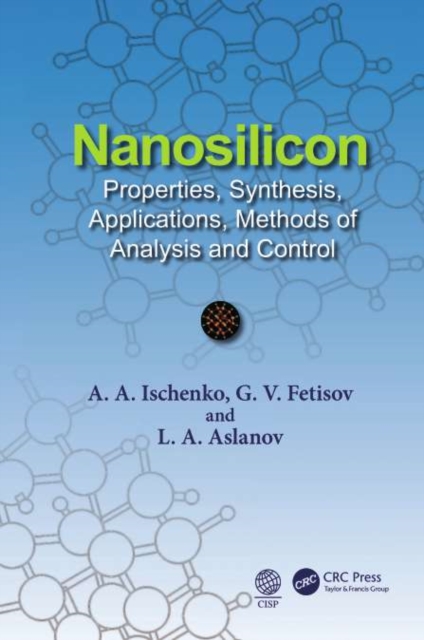
Nanosilicon: Properties, Synthesis, Applications, Methods of Analysis and Control examines the latest developments on the physics and chemistry of nanosilicon.
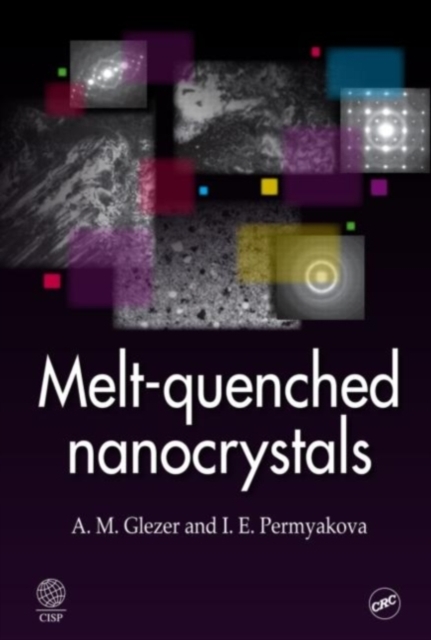
Melt quenching-the method of quenching from the liquid state-provides new opportunities for producing advanced materials with a unique combination of properties.
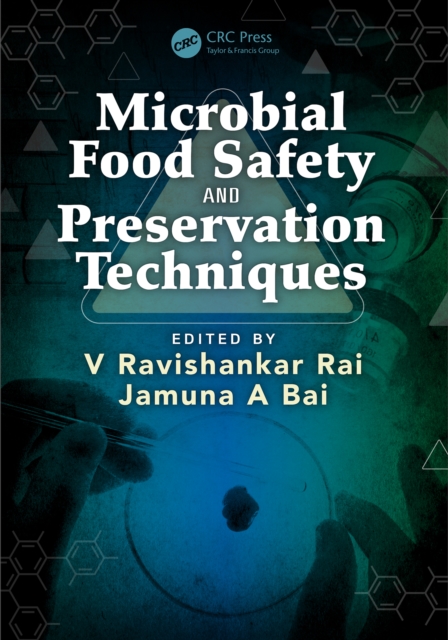
In recent years, rapid strides have been made in the fields of microbiological aspects of food safety and quality, predictive microbiology and microbial risk assessment, microbiological aspects of food preservation, and novel preservation techniques.
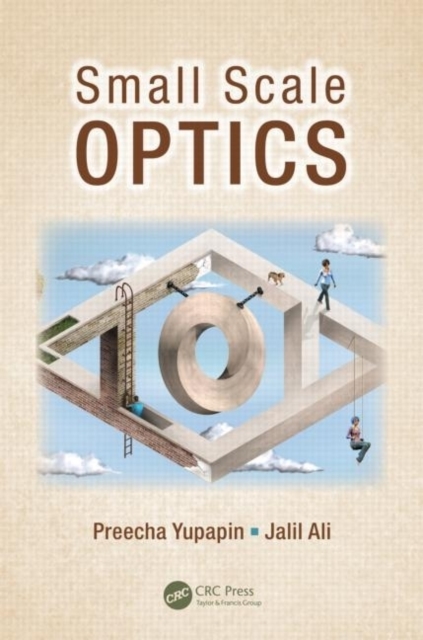
The behavior of light in small scale optics or nano/micro optical devices has shown promising results, which can be used for basic and applied research, especially in nanoelectronics.
Nanomaterials are being incorporated into products all around us, having an incredible impact on durability, strength, functionality, and other material properties.
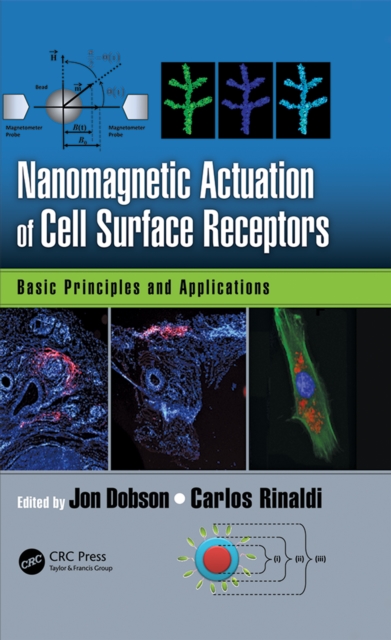
The manipulation and control of cells and sub-cellular structures through magnetic nanoparticle-based actuation is a relatively new technique that has led to novel and exciting biomedical applications.
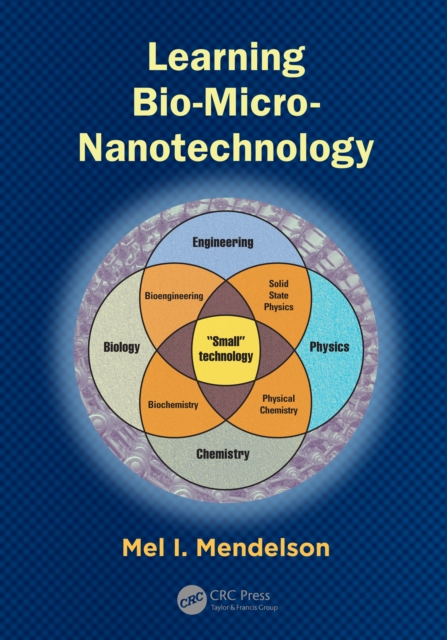
Learning Bio-Micro-Nanotechnology is a primer on micro/nanotechnology that teaches the vocabulary, fundamental concepts, and applications of micro/nanotechnology in biology, chemistry, physics, engineering, electronics, computers, biomedicine, microscopy, ethics, and risks to humankind.
Despite the vast knowledge accumulated on silicon, germanium, and their alloys, these materials still demand research, eminently in view of the improvement of knowledge on silicon-germanium alloys and the potentialities of silicon as a substrate for high-efficiency solar cells and for compound semiconductors and the ongoing development of nanodevic
Computational Modeling of Inorganic Nanomaterials provides an accessible, unified introduction to a variety of methods for modeling inorganic materials as their dimensions approach the nanoscale.
The Finite Difference Time Domain (FDTD) method is an essential tool in modeling inhomogeneous, anisotropic, and dispersive media with random, multilayered, and periodic fundamental (or device) nanostructures due to its features of extreme flexibility and easy implementation.